How to Ferment Corn for Hogs: Improve Nutrition Naturally
Are you tired of feeding your pigs the same old bland corn? Does your herd seem less lively than a sloth on a lazy day? It’s time to spice things up with a natural twist! In “How to Ferment Corn for Hogs: Improve Nutrition Naturally,” we’ll guide you through the enchanting world of fermentation—a time-honored technique that not only elevates the taste of corn but also boosts its nutritional value. Imagine your hogs eating like kings while you effortlessly reduce feed costs and promote gut health! With a sprinkle of humor and a dash of science, this article is your ticket to happier, healthier swine and a flourishing farm. Say goodbye to boring feed and hello to fermenting fun! Let’s dive in!

Article Contents
- Understanding the Benefits of Fermented Corn for Hogs
- Choosing the Right Corn for Fermentation
- The Fermentation Process: Step by Step Guide
- Monitoring and Maintaining Ideal Fermentation Conditions
- Nutritional Enhancements: What Fermented Corn Offers
- Feeding Strategies for Maximum Impact on Hogs
- Common Mistakes to Avoid in Corn Fermentation
- Evaluating the Results: Signs of Successful Fermentation
- Frequently asked questions
- To Conclude
Understanding the Benefits of Fermented Corn for Hogs
The practice of fermenting corn for hog feed is gaining traction among farmers looking to enhance the nutritional profile of their livestock’s diet. One of the primary benefits is the improved digestibility of the corn, as fermentation breaks down complex carbohydrates. This process produces microbial enzymes that aid in nutrient absorption, allowing hogs to gain maximum benefit from their feed.
Moreover, fermented corn promotes a healthier gut microbiome in pigs, which can lead to:
- Enhanced immune response – A balanced gut flora helps in combating diseases.
- Better weight gain – Nutrient-rich fermented corn contributes to weight and muscle gain.
- Reduced feed costs – Higher bioavailability of nutrients means farmers may require less feed to achieve desired growth rates.
Farmers also appreciate the probiotic qualities of fermented corn. The beneficial bacteria produced during fermentation not only contribute to gut health but can also decrease the incidence of digestive disorders, leading to overall healthier and more resilient hogs. With these benefits, fermenting corn is proving to be a wise investment in sustainable hog farming.

Choosing the Right Corn for Fermentation
When it comes to selecting corn for fermentation, it’s essential to focus on varieties that will provide optimal nutrition and flavor for your hogs. The right corn not only enhances the fermentation process but also supports the overall health and growth of the animals. Here are some key factors to consider:
- Variety: Opt for high-starch corn varieties, such as field corn or popcorn, which ferment well and yield beneficial nutrients.
- Moisture content: Aim for corn with 14-20% moisture to ensure effective fermentation, as overly dry or wet corn can hinder the process.
- Quality: Use clean, non-moldy kernels; impurities can introduce undesirable bacteria and affect the fermentation outcome.
Additionally, consider conducting a simple analysis of the corn’s nutrient profile. Below is a table summarizing the nutritional attributes of various corn types commonly used for fermentation:
| Corn Type | Starch Content (%) | Protein Content (%) |
|---|---|---|
| Field Corn | 72 | 8 |
| Sweet Corn | 20 | 10 |
| Popcorn | 73 | 11 |
Choosing the right corn is a foundational step in enhancing the nutritional quality of your hogs’ diet through fermentation. Taking the time to understand the different corn varieties and their characteristics will pay off with healthier, more robust animals.
The Fermentation Process: Step by Step Guide
To begin the fermentation process for corn, gather your ingredients and equipment. You will need:
- Whole corn kernels: Ensure they are free from mold or contaminants.
- Water: Use clean, non-chlorinated water to nurture the fermentation.
- Starter culture or molasses: To speed up fermentation and improve flavor.
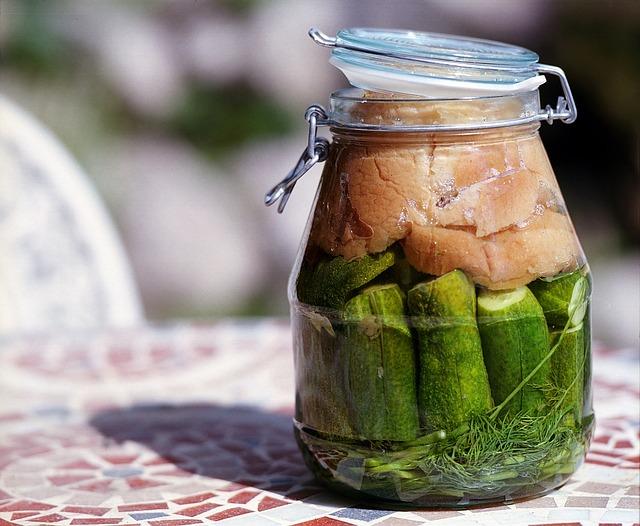
- Fermentation container: A food-grade bucket or jar will work perfectly.
Next, follow these fundamental steps to ferment corn:
- Prepare the corn: Rinse the corn thoroughly to remove dirt and impurities.
- Add water: Submerge the corn in water, allowing a 3:1 ratio of water to corn.
- Add culture: Mix in your starter culture or molasses to kickstart fermentation.
- Seal and store: Cover the container with a lid or cloth, ensuring it’s airtight to facilitate anaerobic fermentation.
During the fermentation, monitor the mixture regularly. You should notice bubbling, which indicates active fermentation. Aim to ferment for 5-14 days, depending on your desired sourness. To keep track of the fermentation progress, you can maintain a simple table of the following metrics:
| Day | Smell | Bubbling | Notes |
|---|---|---|---|
| 1 | Neutral | Little | Initial stage |
| 5 | Aromatic | Active | Observation stage |
| 10 | Fruity/Sour | High | Ready to harvest |

Monitoring and Maintaining Ideal Fermentation Conditions
To achieve optimal results during the fermentation process, it’s essential to keep a close watch on several key factors that influence fermentation. Maintaining ideal temperatures is critical, as warmth promotes microbial activity while excessive heat can hinder fermentation or lead to spoilage. Aim for a consistent temperature range of 70°F to 90°F, depending on the specific strains of microorganisms you are utilizing.
Additionally, the moisture content of your corn is vital for effective fermentation. Regularly assess the moisture levels to ensure they remain within a range of 60% to 70%. Too little moisture can lead to uneven fermentation, while too much can cause unwanted anaerobic conditions. Consider these techniques for monitoring:
- Regular Temperature Readings: Use a thermometer to monitor the fermentation environment consistently.
- Moisture Testing: Utilize moisture meters or simple manual checks to ensure the corn has adequate hydration.
- Aeration Techniques: Air should be introduced into the mix at regular intervals to foster aerobic fermentation when needed.
Furthermore, keeping a clean environment cannot be overstated. Unwanted contaminants can outcompete your desired fermentation microbes, leading to poor results. Establishing a routine for cleaning fermentation vessels and storage areas goes a long way in ensuring success. Here’s a quick reference table for best practices:
| Practice | Frequency |
|---|---|
| Temperature Monitoring | Daily |
| Moisture Testing | Every 2-3 days |
| Aeration | Bi-weekly |
| Cleaning Fermentation Vessels | After each use |

Nutritional Enhancements: What Fermented Corn Offers
Fermented corn serves as a powerhouse of nutritional benefits for hogs, enhancing their diet in several key ways. The fermentation process increases the bioavailability of nutrients, making it easier for animals to absorb essential vitamins and minerals. Notably, fermented corn can improve the digestibility of starches and convert them into beneficial compounds that support gut health.
Some of the key advantages include:
- Increased Nutrient Uptake: Fermentation breaks down complex carbohydrates, allowing for easier absorption of nutrients.
- Enhanced Gut Health: The presence of probiotics in fermented corn supports a balanced gut microbiome, reducing the risk of digestive disorders.
- Higher Energy Levels: Fermented feeds often lead to improved weight gain and overall energy levels in hogs.
- Reduction of Anti-Nutritional Factors: Fermentation diminishes harmful compounds that can interfere with nutrient absorption.
| Nutrient | Before Fermentation | After Fermentation |
|---|---|---|
| Protein | 8% | 12% |
| Digestible Carbohydrates | 50% | 70% |
| Vitamins | Low | Enhanced |
| Probiotics | None | High Levels |
The synergistic effects of fermentation not only boost the nutritional profile but also enhance the overall health and vitality of hogs. Adopting this natural method can lead to significant improvements in feed efficiency and animal performance.
Feeding Strategies for Maximum Impact on Hogs
When it comes to optimizing feeding strategies for hogs, fermentation of corn can significantly enhance both the digestibility and nutritional profile of their diet. By harnessing the benefits of fermentation, hogs can take advantage of increased levels of essential nutrients, probiotics, and improved palatability. Here are some effective strategies to implement this process:
- Select Quality Corn: Begin with high-quality whole corn free from impurities. The fresher the corn, the better the fermentation process will be.
- Utilize the Right Fermentation Method: Consider using either a submerged or solid-state fermentation method. Submerged fermentation involves soaking the corn in water, while solid-state fermentation requires the corn to remain dry, allowing natural microorganisms to thrive.
- Inoculation: Introduce beneficial microbes to the corn to kickstart fermentation. Adding commercial probiotics or utilizing natural sources, such as whey or other fermented foods, can enhance the fermentation process.
- Monitor Temperature: Maintaining an optimal temperature range (around 68-86°F or 20-30°C) is crucial for successful fermentation. Too high or too low temperatures can hinder microbial activity.
- Fermentation Duration: Allow the corn to ferment for at least 48-72 hours. This period ensures the breakdown of nutrients and maximizes the release of beneficial compounds.
Once fermented, the corn can be fed directly or mixed into base rations to ensure hogs receive the full benefits. This not only improves feed conversion rates but also promotes gut health through a balanced microbiome. Here’s a quick reference table to illustrate the advantages of fermented corn:
| Benefit | Description |
|---|---|
| Enhanced Nutrient Absorption | Fermentation breaks down complex carbohydrates, making nutrients more accessible. |
| Probiotic Boost | Introduces live beneficial bacteria that can improve gut health. |
| Improved Palatability | Fermented feed is often more appealing to hogs, encouraging better consumption. |
| Reduced Feed Costs | Efficient nutrient utilization can lead to lower overall feed requirements. |

Common Mistakes to Avoid in Corn Fermentation
When it comes to corn fermentation for hogs, avoiding common pitfalls can make all the difference in achieving optimal results. To enhance the nutritional value of fermented corn, be mindful of these critical mistakes:
- Neglecting Proper Cleanliness: Failing to sanitize containers and tools can introduce unwanted bacteria, leading to spoilage instead of a beneficial fermentation process.
- Using Poor-Quality Corn: Low-quality corn or untreated kernels may not ferment properly, resulting in subpar nutrition and potentially harmful by-products.
- Improper Moisture Levels: Maintaining the right moisture content is essential. Excess water can create a watery mash, while too little can inhibit fermentation, leading to ineffective results.
- Ignoring Temperature Control: Ideal fermentation occurs at specific temperatures. Too hot or too cold can compromise the fermentation process, affecting nutrient availability.
It’s also vital to monitor the duration of fermentation closely. Over-fermentation can lead to excessive acidity and undesirable flavors, while under-fermentation may not yield the desired nutritional benefits. Consider keeping a simple tracking chart to help:
| Days of Fermentation | Expected Changes | Notes |
|---|---|---|
| 1-3 Days | Initial bubbling, acidity begins | Check moisture levels regularly |
| 4-7 Days | Fermentation peak | Aroma and acidity develop |
| 8+ Days | Potential over-fermentation | Taste and smell test needed |
Taking the time to avoid these mistakes will significantly improve the quality of your fermented corn, providing a nutritious and flavorful addition to your hogs’ diet.

Evaluating the Results: Signs of Successful Fermentation
Successfully fermenting corn for hogs can be gauged through several distinctive signs that indicate a thriving fermentation process. The most notable indication is the aroma; a well-fermented batch should release a pleasant, tangy smell, reminiscent of sourdough or fermented vegetables. If the aroma is overly foul or putrid, it may suggest contamination or improper fermentation conditions.
Another critical indicator lies in visual observations. Look out for the following:
- Color Change: The corn will often darken slightly as it ferments, which is a normal part of the fermentation process.
- Texture: The grains should feel softer and more pliable as they break down due to the action of beneficial bacteria.
- Bubbles: Active fermentation will produce visible bubbles, indicating gas production as microorganisms convert sugars into acids.
Lastly, take note of the pH levels. A decrease in pH, generally falling below 4.5, signifies successful fermentation and the presence of lactic acid, creating an environment that is less hospitable to harmful microorganisms. Monitoring these details will not only ensure a high-quality feed for your hogs but also promote their overall health and growth.
Frequently asked questions
Q&A: How to Ferment Corn for Hogs: Improve Nutrition Naturally
Q: Why should I consider fermenting corn for my hogs?
A: Fermenting corn is a fantastic way to enhance the nutritional profile of your livestock’s feed. It increases digestibility and makes the nutrients more available to your pigs. Fermented corn also promotes beneficial gut bacteria, which can lead to better overall health, improved growth rates, and potentially lower feed costs.
Q: What are the basic steps to ferment corn for hogs?
A: The process is relatively straightforward. First, you’ll need to prepare your corn—shell it if necessary. Then, you can soak the corn in water mixed with a starter culture, such as whey or a commercial fermentation inoculant. After soaking for a day or two, drain the water and place the corn in a fermentation container. Seal it tightly to exclude air and let it ferment for about one to two weeks, checking periodically for signs of fermentation (such as bubbles or a sour smell).
Q: How long should I ferment the corn?
A: Generally, a fermentation period of one to two weeks is sufficient. The key is to monitor the smell and bubbles during this time. You want a pleasant, sour aroma indicating successful fermentation without any mold growth. You can adjust the duration based on your preference and environmental conditions; warmer temperatures may accelerate the process.
Q: What conditions are optimal for fermentation?
A: Ideally, you want a warm, stable environment for fermentation—temperatures between 65°F to 80°F (18°C to 27°C) work well. Ensuring a tight seal on your fermentation container will help maintain an anaerobic environment, which is crucial for effective fermentation.
Q: Are there any risks involved with fermenting corn?
A: While fermenting corn is generally safe, you should always watch for signs of spoilage or contamination, such as off smells or mold. If you notice anything unusual, it’s best to discard the batch to avoid harming your livestock. Keeping your fermentation equipment clean and monitoring the process closely will minimize risks.
Q: What nutritional benefits does fermented corn provide compared to dry corn?
A: Fermented corn can provide several advantages, including increased levels of certain vitamins, enhanced protein digestibility, and a greater bioavailability of minerals. The fermentation process breaks down antinutritional factors, making it easier for hogs to absorb these nutrients.
Q: How much fermented corn should I feed my hogs?
A: Start by incorporating a small amount of fermented corn into their diet to allow their digestive systems to adjust. A general guideline is to start with about 10% of their total feed intake, gradually increasing it as they adapt. Always ensure that the overall diet remains balanced and meets the nutritional requirements of your hogs.
Q: Can I ferment other grains or feedstuffs for hogs?
A: Absolutely! While the process outlined here specifically addresses corn, you can ferment other grains like barley, oats, or wheat, as well as by-products such as fruit or vegetable scraps. The key is maintaining proper fermentation conditions and ensuring that the feed remains palatable for your hogs.
Q: Is there any specific fermentation equipment I need?
A: You don’t need any specialized equipment to ferment corn; a clean, airtight container works just fine. Many farmers use food-grade plastic buckets with lids or glass jars. Just ensure that whatever container you use can handle the fermentation process without breaking down or leaching harmful substances into your feed.
Q: How should I store fermented corn once it’s ready?
A: Once fermentation is complete, store the fermented corn in a cool, dry place to prolong its shelf life. If stored properly, it can last for several months. Just be sure to check for any signs of spoilage before feeding it to your hogs.
Q: What are some additional benefits of fermenting feed for livestock?
A: In addition to improved nutrition, fermented feeds can help reduce feed wastage, decrease feed costs, and contribute to better gut health in your hogs. Over time, many farmers notice healthier animals, improved feed efficiency, and better overall performance, making fermentation a win-win for both livestock and producers.
fermenting corn for hogs is a simple, effective way to boost their diet naturally. It’s rewarding, and with a bit of practice, you’ll see firsthand the benefits it brings to your livestock. Happy fermenting!
To Conclude
fermenting corn for hogs is not just a practical approach to enhancing their nutrition; it’s a rewarding practice that taps into the natural processes of fermentation. By taking the time to prepare and ferment corn, you’re not only boosting the digestibility and nutrient content of their diet but also promoting better overall health and well-being in your animals. Embrace this age-old method, and watch your hogs thrive on the benefits of this simple yet powerful technique. With a little patience and the right know-how, you’re well on your way to keeping your herd healthy and content, while maximizing the resources available to you. Happy fermenting!