How to Ferment Dough Without Yeast: Natural Leavening Techniques
Are you tired of waiting for that pesky packet of yeast to do its job, only to find it’s ghosting you again? Fear not, culinary adventurer! It’s time to throw caution to the wind and dive into the delightful world of dough fermentation sans yeast. In this article, we’ll unveil the secrets of natural leavening techniques that will have your bread bubbling with joy—no yeast required! Whether you’re a seasoned baker or a kitchen novice, we’ll guide you through fun, creative methods to achieve that perfect rise, all while keeping things lighthearted and slightly irreverent. So grab your flour, and let’s make some magic (and some delicious bread) without a yeast in sight!

Article Contents
- Understanding Natural Leavening: The Science Behind Wild Fermentation
- Choosing the Right Ingredients for Successful Fermentation
- Creating Your Own Sourdough Starter: Step-by-Step Guide
- Exploring Alternative leavening Agents: From Baking Soda to Kefir
- Mastering Fermentation Times: How Temperature and Humidity Affect Your Dough
- Troubleshooting Common Fermentation Issues: Tips for Perfect Results
- Troubleshooting Common Fermentation Issues
- Baking with Fermented Dough: Techniques for Flavor and Texture Optimization
- Storing and Maintaining Your Starter: Ensuring Long-Term Success
- FAQ
- Wrapping Up
Understanding Natural Leavening: The Science Behind Wild Fermentation
Natural leavening harnesses the power of wild fermentation, a process that allows microorganisms from the environment, such as bacteria and wild yeasts, to intrude upon the dough, creating a unique and flavorful rise. Unlike commercial yeast, which delivers uniform and predictable outcomes, wild fermentation offers a rich tapestry of flavors and textures, stemming from the specific microbes available in your surroundings. The art of this technique lies in the ability to cultivate and manage these naturally occurring organisms to achieve a desirable outcome.
A key player in this process is lactic acid bacteria, which not only helps to leaven the dough but also contributes acidity, balancing flavors and enhancing the shelf life of the final product. While wild yeast contributes to leavening, it is the symbiotic relationship between these microbes that leads to the characteristic sourness reminiscent of traditional sourdough. Here are a few essential components of wild fermentation:
- Microbial Diversity: Variability in grain, water, and local environment influences the types of microorganisms present.
- Ripeness of Starter: Timing and temperature can alter the fermentation profile, impacting the final taste and texture of the bread.
- Hydration Levels: The amount of water in the dough affects fermentation speed and dough handling, leading to different crust and crumb structures.
To visually represent the comparison between commercial yeast and wild fermentation, here’s a simple table:
| Characteristics | Commercial Yeast | Wild Fermentation |
|---|---|---|
| Flavor Profile | Simpler, consistent | Complex, variable |
| Fermentation Time | Short (hours) | Longer (hours to days) |
| Texture | Uniform crumb | Varied crumb structure |
Understanding the intricate science behind this ancient technique opens a world of possibilities for bakers looking to explore the depth of flavor and character in their bread. By embracing the natural leavening process, you not only create delicious bread but also connect with the age-old traditions of fermentation, making each loaf a unique expression of time, place, and microbial life.

Choosing the Right Ingredients for Successful Fermentation
When embarking on the journey of fermentation without the aid of commercial yeast, the selection of ingredients becomes critical for success. A well-chosen combination not only contributes flavor and texture but also fosters the growth of beneficial microbes essential for fermentation. Here are some key components to consider:
- Flour Type: Opt for whole grain flours such as whole wheat or spelt. They contain more nutrients and naturally occurring wild yeast, which are crucial for leavening.
- Water Quality: Use filtered or non-chlorinated water to prevent any interference with the fermentation process. Chlorine can inhibit the growth of your desired bacteria and yeasts.
- Additional Sugars: If desired, incorporate a small amount of honey, maple syrup, or molasses to feed the natural yeast. These not only enhance flavor but also promote fermentation activity.
To further fine-tune your fermentation, consider the role of temperature and fermentation times. Warmer environments speed up fermentation, while cooler ones slow it down, allowing for more complex flavors to develop over time. Monitoring these variables will help you achieve that perfect rise and delightful taste in your naturally leavened bread.
| Ingredient | Role in Fermentation |
|---|---|
| Whole Wheat Flour | Rich in nutrients and wild yeast |
| Filtered Water | Prevents chlorine interference |
| Honey | Feeds yeast, enhances flavor |

Creating Your Own Sourdough Starter: Step-by-Step Guide
Creating a sourdough starter is a rewarding process that harnesses the natural yeast and bacteria in the environment. To get started, you will need just a few basic ingredients: flour, water, and a bit of patience. Here’s a straightforward method to cultivate your own starter.
- Day 1: In a clean glass jar, mix 100g of whole wheat flour with 100ml of water. Stir until combined, and cover the jar loosely with a cloth. This allows air to flow while preventing dust from settling in.
- Day 2: You may not see much activity yet, but that’s okay! Add another 100g of all-purpose flour and 100ml of water to the mixture. Stir well and cover again.
- Day 3: By now, you should start to see bubbles. Remove half of the mixture (about 200g) and feed it with 100g of flour and 100ml of water. Stir and cover.
- Day 4: Continue the feeding process as before. The starter should start to rise and become more active. You might also notice a tangy smell developing.
- Day 5-7: Keep feeding your starter daily. Once it doubles in size within 4-6 hours after feeding, it’s ready to use!
To maintain your starter, you can store it in the refrigerator and feed it once a week. Always remember to bring it back to room temperature and feed it at least once before baking. This cycle not only nurtures the wild yeast population but also enhances the flavor profile of your bread.

Exploring Alternative leavening Agents: From Baking Soda to Kefir
When considering alternatives to traditional yeast for leavening bread, a variety of fascinating options await. Each agent not only serves to aerate the dough but can also impart unique flavors and textures. Here are some noteworthy alternatives:
- Baking Soda: Often paired with an acid like vinegar or lemon juice, baking soda creates carbon dioxide bubbles that lift the dough. It’s ideal for quick breads and pancakes.
- Baking Powder: A combination of baking soda and an acid, it results in a double action—reacting once when wet and again when exposed to heat. Perfect for fluffy muffins and scones.
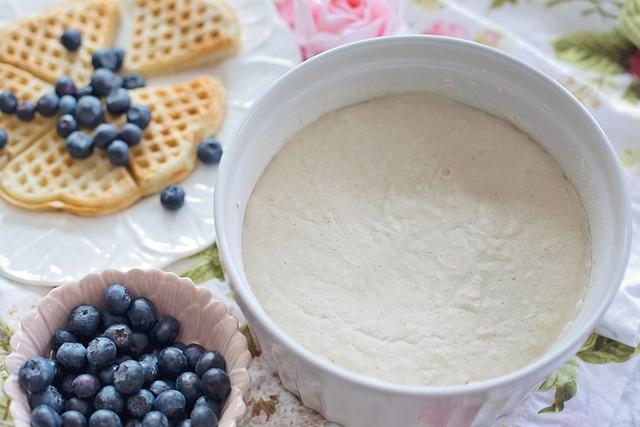
- Kefir: This fermented milk drink is rich in probiotics. Its natural acids and bubbles can help leaven light batters, providing a tangy flavor while promoting digestion.
- Buttermilk: Similar to kefir, this dairy product introduces acidity that reacts with baking soda in the dough, contributing to both rise and moisture.
Different methods embrace various fermentation processes, and the choice of leavening agent often influences the final outcome—both in taste and texture:
| Leavening Agent | Flavor Profile | Best Used In |
|---|---|---|
| Baking Soda | Neutral, slightly salty | Quick breads, cookies |
| Baking Powder | Lightly sweet | Muffins, cakes |
| Kefir | Tangy, creamy | Pancakes, waffles |
| Buttermilk | Rich, acidic | Biscuits, pancakes |
Experimenting with these agents opens up a world of possibilities for home bakers looking to diversify their bread-making techniques. Each option not only provides leavening but also enhances the nutritional profile of baked goods, making them not only delicious but also beneficial for gut health.

Mastering Fermentation Times: How Temperature and Humidity Affect Your Dough
When it comes to fermenting dough naturally, understanding the roles of temperature and humidity is crucial for achieving the perfect rise. **Temperature** impacts the activity of beneficial bacteria and wild yeasts present in your environment and within your dough. Generally, warmer temperatures speed up fermentation, whereas cooler settings slow it down. Here’s a quick overview of how different temperature ranges can influence your fermentation process:
| Temperature Range | Effect on Fermentation |
|---|---|
| Above 75°F (24°C) | Fast fermentation, risk of overproofing |
| 65°F – 75°F (18°C – 24°C) | Optimal rise, well-developed flavors |
| Below 65°F (18°C) | Slow fermentation, more complex flavors |
On the other hand, **humidity** serves as a critical factor too. In a more humid environment, the dough retains moisture more effectively, promoting a slower fermentation process. High humidity can also enhance the activity of wild yeasts, leading to a slightly tangy flavor. Conversely, if the air is too dry, it may result in a crusty exterior and hinder the dough from rising properly. Here are a few tips to manage humidity:
- Keep your dough covered with a damp cloth to retain moisture.
- Use a baking container with a lid to trap humidity.
- Experiment with a baking stone or steam methods for extra moisture during baking.
By keeping a close eye on both temperature and humidity, you can master the art of natural leavening, yielding a beautifully fermented dough with a delightful texture and rich flavor profile.

Troubleshooting Common Fermentation Issues: Tips for Perfect Results
Troubleshooting Common Fermentation Issues
When fermenting dough without yeast, you might encounter a few common issues. Understanding these challenges can lead to successful outcomes. Here are some tips to ensure your natural leavening techniques yieldperfect results:
- Slow Fermentation: If your dough isn’t rising as expected, consider the temperature of your environment. Warmer temperatures (around 75-80°F) promote fermentation, while cooler areas can slow it down. Try placing your dough in a warm spot, like near an oven or on a sunny windowsill.
- Unpleasant Odors: If your fermenting dough develops a sour smell, it may indicate spoilage. Ensure your mixture is clean, and consider using a higher ratio of flour to water or checking the freshness of your flour. A pleasant, tangy aroma is typically a good sign.
- Inconsistent Results: Sometimes, your dough might rise beautifully one day and fall flat the next. This inconsistency can often stem from varying flour types, hydration levels, or even the microbial activity in your environment. Keeping a detailed log of your ingredients and conditions can help you pinpoint what works best.
With patience and observation, you’ll navigate these hurdles. Making small adjustments to temperature, ingredient ratios, and fermentation times can lead to delightful successes in naturally leavened baking.
Baking with Fermented Dough: Techniques for Flavor and Texture Optimization
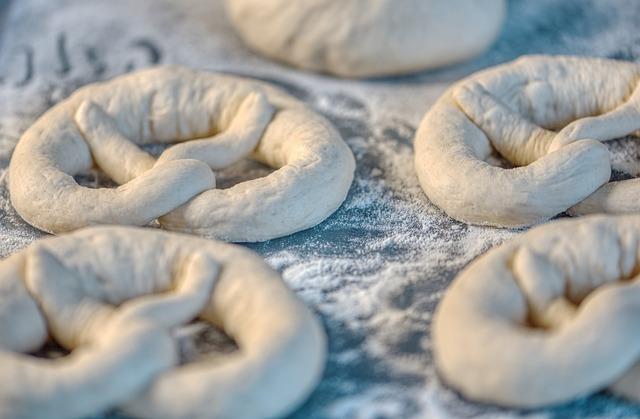
Baking with fermented dough opens up a world of rich flavors and enhanced textures that commercial yeast simply cannot replicate. The key to leveraging natural leavening lies in understanding the fermentation process. Here are some essential techniques to optimize both flavor and texture in your bread:
- Temperature Control: Maintain a warm environment (75-80°F) for fermentation. Warmer temperatures speed up yeast activity, but be cautious—too hot can kill your cultures!
- Hydration Levels: Higher hydration results in a more open crumb structure. Experiment with different water-to-flour ratios to find the optimal mix.
- Long Fermentation Times: Allow your dough to ferment for 12-24 hours. Slow fermentation enhances flavor complexity, yielding a bread with depth and richness.
- Use of Preferments: Incorporating a levain or starter can introduce a variety of flavors. A mix of flour and water, fermented separately, can significantly improve taste.
To give your bread a nutty aroma and a chewy texture, consider incorporating various flours like whole wheat, rye, or spelt into your mix. Each option brings unique flavors that contribute to the overall profile of the loaf. Here’s a simple comparison of flour options that can elevate your fermented bread:
| Flour Type | Flavor Profile | Texture |
|---|---|---|
| All-Purpose Flour | Mild | Light and airy |
| Whole Wheat Flour | Nutty | Dense and hearty |
| Rye Flour | Earthy | Moist and compact |
| Spelt Flour | Slightly sweet | Chewy with a delicate crumb |
Storing and Maintaining Your Starter: Ensuring Long-Term Success
Successfully storing and maintaining your starter is crucial for achieving long-term success with your natural leavening techniques. It’s important to provide your starter with the right environment and nutrients to keep it healthy and active. Here are some best practices to ensure that your starter thrives:
- Choose the Right Container: Use a glass or plastic container with a loose-fitting lid to allow gases to escape while keeping out contaminants.
- Refrigeration: If you’re not using your starter daily, store it in the fridge. This slows down fermentation and extends its lifespan.
- Regular Feedings: Feed your starter with equal parts of flour and water at least once a week if refrigerated. Make it a routine; consistency is key.
- Temperature Control: Keep your starter in a stable, warm environment, ideally between 70°F and 75°F (21°C to 24°C) when cultivating it for baking.
When you decide to revive your starter, remove it from the fridge and let it come to room temperature. Feed it with fresh flour and water, and allow it to rest for a few hours. Watch for bubbles and growth which indicate it’s ready to use. If you notice your starter separating, becoming dark, or developing off odors, it may need a fresh feeding or may even need to be started anew. Keeping a healthy culture is about nurturing it like a living organism.
| Signs of a Healthy Starter | Signs of an Unhealthy Starter |
|---|---|
| Bubbles and expansion | Separation of liquid |
| Pleasant, tangy aroma | Off or unpleasant smell |
| Active rise after feeding | No change in volume |
FAQ
Q&A: How to Ferment Dough Without Yeast: Natural Leavening Techniques
Q1: What does it mean to ferment dough without yeast?
A: Fermenting dough without yeast involves harnessing natural microorganisms to leaven bread. This can be achieved through sourdough techniques, utilizing wild yeast and lactic acid bacteria present in the environment or in the ingredients themselves. This method not only provides leavening but also enhances the flavor and nutrition of the bread.
Q2: What are some natural leavening techniques I can use?
A: There are several popular techniques for natural fermentation, including sourdough starter, using fermented fruits or vegetables, and employing a technique known as “autolyse.” The most common is the sourdough starter, which consists of flour and water left to ferment, capturing wild yeast from the air. You can also try adding a bit of flour to a jar of overripe fruit, which can introduce natural sugars and wild yeast into your dough.
Q3: How do I create a sourdough starter?
A: Creating a sourdough starter is straightforward. Mix equal parts of whole grain flour (like whole wheat or rye) and water—about 100 grams of each in a jar. Stir well and let it sit at room temperature. Feed it daily by discarding half of the mixture and adding fresh flour and water. After about 5-7 days, you should notice bubbles and a tangy smell, indicating that the wild yeast is active and ready to use in your dough.
Q4: How long does it take for the dough to rise without commercial yeast?
A: Patience is key! When using natural leavening techniques, the rising time can significantly vary depending on factors like temperature, humidity, and the strength of your starter. Typically, it can take anywhere from 4 to 12 hours for the dough to achieve the desired rise. It’s crucial to watch for signs of fermentation, such as doubling in size or bubbly texture.
Q5: Can I use regular all-purpose flour instead of whole grain flour for my starter?
A: Yes, you can start with all-purpose flour; however, whole grain flour is often preferred because it contains more nutrients and microorganisms that promote faster fermentation. If you begin with all-purpose flour, you may want to switch to whole grain after a few feedings to boost activity in your starter.
Q6: What flavor differences can I expect when using natural leavening instead of commercial yeast?
A: Bread leavened with natural fermentation typically has a more complex flavor profile, often described as tangy, nutty, or slightly sour, which comes from the lactic acid produced during fermentation and the variety of wild yeasts present. The longer fermentation also allows for better development of the bread’s scent and texture, resulting in a crustier exterior and a chewy, flavorful interior.
Q7: Is it difficult to manage a sourdough starter?
A: While it requires some regular attention, managing a sourdough starter is quite manageable and can even become a rewarding routine! Once established, you can keep it in the refrigerator to slow down fermentation. You’ll just need to feed it weekly if stored that way, and bring it back to room temperature and feed it a few times before baking with it.
Q8: Do I need any special equipment to ferment dough naturally?
A: Not necessarily! You can use basic kitchen tools, like bowls, jars for your starter, and a baking stone or sheet for baking. A kitchen scale can be helpful for precise measurements, but many home bakers successfully use cups and spoons as well. Just make sure you have a good understanding of your dough’s hydration and consistency for the best results!
Q9: Can I incorporate natural leavening techniques into my existing bread recipes?
A: Absolutely! You can adapt many traditional recipes by replacing commercial yeast with your sourdough starter or incorporating a pre-ferment stage, where part of the dough is fermented ahead of time. It may require some experimentation to adjust rising times and hydration levels, but it’s a fantastic way to enhance the depth and character of your bread.
Q10: What are the benefits of fermenting dough naturally?
A: Natural fermentation not only leads to exceptional flavors and textures but also brings health benefits. The longer fermentation process breaks down gluten and phytates, potentially making the bread easier to digest and nutrients more accessible. Plus, you’ll gain the satisfaction of producing a loaf that’s uniquely yours, crafted through a time-honored technique!
Wrapping Up
exploring the world of natural leavening techniques opens up a whole new realm of possibilities for your baking adventures. By harnessing the power of local microorganisms and simple ingredients, you can create delicious, flavorful bread without relying on commercial yeast. Whether you choose to cultivate your own sourdough starter or experiment with wild fermentation methods, the journey can be just as rewarding as the final loaf. So, gather your tools, embrace the art of patience, and enjoy the process of transforming humble ingredients into vibrant, wholesome bread. Happy baking!