How to Ferment Millet Flour: Baking with a Twist
Are you tired of the same old baking routine? Ready to add a pinch of excitement and a dash of flair to your kitchen creations? Look no further! In “How to Ferment Millet Flour: Baking with a Twist,” we’re diving headfirst into the quirky world of fermented flour. Yes, you heard that right! We’re talking about giving your millet flour a delightful makeover that will elevate your breads, pancakes, and pastries from drab to fab.
Imagine the thrill of biting into a warm loaf that not only tastes amazing but also boasts gut-friendly benefits—your taste buds and tummy will thank you! Get ready to impress your friends at brunch with your ultra-sophisticated baked goods, and who knows, you might even become the local baking legend. So, put on your apron, grab that bag of millet flour, and let’s embark on a fermenting adventure that’ll have you saying, “Knead I say more?”
Article Contents
- Understanding Millet Flour and Its Nutritional Benefits
- The Fermentation Process: Why and How to Ferment Millet Flour
- Preparing Your Millet Flour for Fermentation
- Choosing the Right Starter Culture for Successful Fermentation
- Baking Techniques: Incorporating Fermented Millet Flour into Your Recipes
- Tips for Perfecting Texture and Flavor in Fermented Millet Products
- Storage and Shelf Life: Keeping Your Fermented Millet Fresh
- Exploring Creative Recipes: From Bread to Pancakes with Fermented Millet Flour
- Innovative Ways to Use Fermented Millet Flour
- Frequently asked questions
- To Conclude
Understanding Millet Flour and Its Nutritional Benefits
Millet flour, derived from various species of millet grains, is increasingly taking center stage in the world of health-conscious baking. It boasts a unique profile rich in essential nutrients, making it a fantastic alternative to traditional wheat flour. Some key nutritional benefits of millet flour include:
- High Fiber Content: Supports digestive health and aids in maintaining a healthy weight.
- Rich in Minerals: Contains vital nutrients such as magnesium, phosphorus, and iron, essential for various bodily functions.
- Gluten-Free: A great option for those with gluten sensitivities or celiac disease.
- Antioxidant Properties: May help combat oxidative stress and inflammation.
- Good Source of Protein: Offers a higher protein content than many traditional flours, making it suitable for a balanced diet.
When incorporating millet flour into your baking repertoire, you not only enhance the nutritional profile of your foods but also introduce a subtle, nutty flavor. This flour pairs beautifully with a variety of ingredients, allowing for creative combinations that can elevate your dishes. Fermenting millet flour can further enhance its health benefits by increasing the bioavailability of nutrients and improving digestibility. By understanding the power of millet flour, you can transform your baking with wholesome, nutritious ingredients that the whole family can enjoy.

The Fermentation Process: Why and How to Ferment Millet Flour
Fermenting millet flour opens a gateway to a myriad of flavors and health benefits that can elevate your baking to new heights. The fermentation process works by utilizing natural yeast and bacteria, which break down the flour’s complex starches and proteins, making them easier to digest. This transformation not only enhances the nutritional profile by increasing minerals and vitamins but also enriches the flavor, lending a subtle tang that pairs beautifully with various ingredients.
To initiate the fermentation, follow these simple steps:
- Start with fresh millet flour: Choose high-quality, whole-grain millet flour for the best results.
- Add water and a starter culture: Mix the flour with water and either a spoonful of yogurt or a dash of apple cider vinegar to introduce beneficial bacteria.
- Allow it to sit: Cover the mixture and let it sit at room temperature for 12 to 24 hours, depending on your desired tanginess and the warmth of your kitchen.
- Mix in additional ingredients: After fermentation, incorporate your usual baking ingredients such as leavening agents, sweeteners, and spices.
- Bake and enjoy: Proceed with your baking as usual and relish the improved texture and taste.
This method not only infuses your baked goods with distinct flavors but also maximizes their health benefits. The result is a light, airy crumb and a delicious product that keeps you coming back for more!
Preparing Your Millet Flour for Fermentation
When it comes to fermenting millet flour, preparation is key to achieving the desired flavor and texture in your baked goods. Start by **selecting high-quality millet flour**, preferably organic, to ensure that the fermentation process kicks off with the best ingredients available. Here are a few steps to prepare your millet flour for fermentation:
- Hydrate the flour: Combine millet flour with water in a bowl. A common ratio is 1 part flour to 1.5 parts water, but you can adjust this based on your recipe needs.
- Add a starter culture: Introduce a natural starter, such as a spoonful of yogurt, kefir, or a bit of sourdough starter. This will provide the necessary live cultures to set the fermentation in motion.
- Mix thoroughly: Ensure that all ingredients are combined well. If you can see small lumps, continue mixing until the texture is smooth.
After mixing, cover the bowl loosely with a clean cloth or plastic wrap, allowing some airflow. Place it in a warm area, ideally between 75°F to 85°F (24°C to 29°C). The fermentation process typically takes between 12 to 24 hours, depending on the temperature and humidity levels. During this time, bubbles will start to form, indicating that your millet flour is transforming into a rich, flavorful base for your baking endeavors.

Choosing the Right Starter Culture for Successful Fermentation
Selecting the appropriate starter culture is crucial for achieving the desired flavor and texture in your fermented millet flour. Various options present distinct advantages, and making the right choice can transform your baking experience. Here are a few cultures to consider:
- Lactic Acid Bacteria (LAB): These cultures, such as Lactobacillus species, are excellent for enhancing the sour taste and probiotic qualities of your fermentation.
- Yeast: Using wild or commercial baker’s yeast can boost fermentation speed and help create a lighter texture in baked goods.
- Mixed Fermentation: Combining LAB with yeast yields a complex flavor profile and enhances the nutritional value of your flour.
When choosing your culture, consider the environment in which you are fermenting. Factors such as temperature, humidity, and the specific recipe you’re using can influence the effectiveness of your starter. Below is a simple comparison table of starter cultures:
| Culture Type | Flavor Profile | Nutritional Benefits |
|---|---|---|
| Lactic Acid Bacteria | Sour, tangy | High in probiotics |
| Yeast | Mild, slightly sweet | Boosts rise in dough |
| Mixed Culture | Complex, rich | Enhanced digestibility |
Ultimately, experimenting with different starter cultures can lead to delightful discoveries in your fermented millet flour creations. Keep notes on your findings, as this will make it easier to replicate your favorite outcomes in future baking endeavors.

Baking Techniques: Incorporating Fermented Millet Flour into Your Recipes
Baking with fermented millet flour elevates your culinary endeavors, providing not just a health boost but also a unique flavor profile. Here are some techniques to incorporate this nutritious ingredient into your recipes:
- Use as a Substitute: Replace up to 25% of all-purpose flour in your favorite recipes with fermented millet flour. This subtle shift will enhance nutritional benefits without overpowering the original flavor.
- Mix for Texture: Incorporate fermented millet flour in gluten-free baking mixes. Its naturally nutty taste and light texture can complement other flours like almond or coconut, creating delightful pastries and bread.
- Pre-soaking: Enhance moisture and digestibility by pre-soaking the fermented millet flour in liquids (like water or plant-based milk) for at least 30 minutes before mixing it into your batter. This process can lighten the texture of dense recipes.
For a scientific touch, you can track the fermentation process of your millet flour. Here’s a simple table comparing the rise and fermentation times of different flours:
| Flour Type | Optimal Rise Time | Fermentation Duration |
|---|---|---|
| All-Purpose Flour | 1-2 hours | 2-3 hours |
| Fermented Millet Flour | 30 minutes – 1 hour | 12-24 hours |
| Whole Wheat Flour | 1-3 hours | 4-6 hours |
Experimenting with these methods not only enhances your baking outcomes but also invites an array of flavors and textures, making your recipes not just gluten-free but also rich in nutrition and taste.
Tips for Perfecting Texture and Flavor in Fermented Millet Products
Fermenting millet flour successfully involves mastering both texture and flavor, which can significantly enhance your baked goods. To achieve the perfect texture, consider the following tips:
- Choose High-Quality Flour: Opt for freshly milled, organic millet flour, as it retains more nutrients and flavor compared to processed alternatives.
- Adjust Hydration Levels: Begin with a base hydration of around 75%. This allows the flour to absorb water and creates a softer dough during fermentation.
- Incorporate a Starter Culture: Using a bit of active sourdough starter or probiotic powder can introduce beneficial bacteria that enhance fermentation.
Flavor development is just as crucial; here are some strategies to elevate the taste of your fermented millet products:
- Add Unique Spices: Incorporate spices such as cumin, coriander, or turmeric for a robust flavor profile that pairs beautifully with millet.
- Experiment with Sweeteners: Natural sweeteners like honey or maple syrup can be added during the mixing stage to create a pleasant contrast to the natural nuttiness of millet.
- Try Herbal Infusions: Infusing the water used in your dough with herbs such as rosemary or thyme can impart an aromatic quality that enhances the overall flavor experience.
For clarity, consider this overview of the key components influencing texture and flavor:
| Component | Effect on Texture | Effect on Flavor |
|---|---|---|
| Hydration | Enhanced softness | Allows for better ingredient integration |
| Fermentation Time | Increased chewiness | Develops complexities in taste |
| Spices | N/A | Depth and warmth |
By honing in on these elements, you can create delightful millet products that not only nourish but also tantalize the taste buds.
Storage and Shelf Life: Keeping Your Fermented Millet Fresh
Proper storage and understanding shelf life are crucial to ensuring your fermented millet flour maintains its freshness and flavor. Fermented products can be sensitive to environmental factors, so following some simple storage guidelines can help extend the shelf life of your culinary creation.
- Cool and Dry Location: Store your fermented millet in a cool, dry place away from direct sunlight. This helps prevent spoilage and maintains its quality.
- Airtight Containers: Use airtight containers to minimize exposure to air and moisture, which can lead to fermentation loss. Glass jars or vacuum-sealed bags work well.
- Refrigeration: If you plan on keeping your fermented millet flour for an extended period, consider refrigerating it. This can help to slow down any further fermentation and maintain flavor.
The typical shelf life for homemade fermented millet flour is around 2 to 4 weeks at room temperature and potentially up to 2 months when refrigerated. Keep an eye (and smell) out for any off odors or changes in texture, which are clear indicators that it may have gone bad.
| Storage Method | Shelf Life |
|---|---|
| Room Temperature | 2-4 weeks |
| Refrigeration | Up to 2 months |
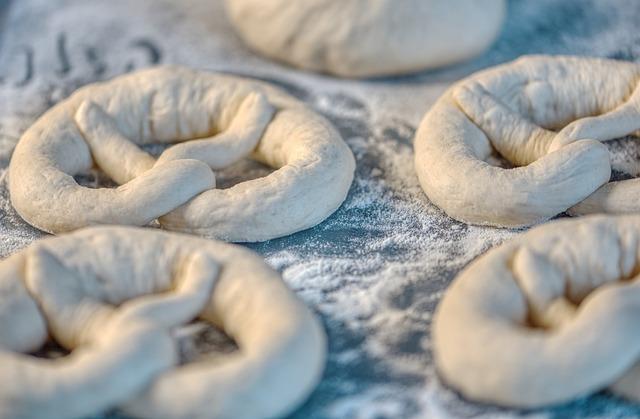
Exploring Creative Recipes: From Bread to Pancakes with Fermented Millet Flour
Innovative Ways to Use Fermented Millet Flour
Fermented millet flour can elevate your culinary creations beyond traditional baking. Its unique flavor profile and health benefits make it a versatile ingredient. Here are a couple of delightful ways to experiment:
- Rustic Millet Bread: Combine fermented millet flour with a mix of whole grain flours for a hearty loaf. The fermentation process enhances not only the flavor but also the bread’s texture, adding a delightful chewiness.
- Fluffy Pancakes: Use fermented millet flour in your pancake batter for a surprising twist on a classic breakfast. Pair it with maple syrup or fresh fruit for a nutritious start to your day.
Nutritional Benefits
| Benefit | Description |
|---|---|
| Rich in Nutrients | Packed with vitamins and minerals, particularly B vitamins and magnesium. |
| Improved Digestion | The fermentation process makes the flour easier to digest, reducing bloating and discomfort. |
| Gluten-Free | An excellent alternative for those with gluten sensitivities or celiac disease. |
With a little creativity, fermented millet flour can transform your everyday dishes into something extraordinary. Whether you choose to whip up a comforting loaf of bread or light and airy pancakes, you’ll discover the joy of cooking with this nutritious, fermented ingredient.
Frequently asked questions
Q&A: How to Ferment Millet Flour: Baking with a Twist
Q1: What is fermentation, and why would I want to ferment millet flour?
A1: Fermentation is a natural process where microorganisms like bacteria and yeast break down sugars in food, producing acids, gases, or alcohol. Fermenting millet flour not only enhances its nutritional profile, making it easier to digest and rich in beneficial probiotics, but it also adds a unique flavor and texture to your baked goods. So, if you’re looking for a healthful twist to your baking or simply want to try something new, fermentation is a fantastic method to explore!
Q2: What are the basic ingredients I need to ferment millet flour?
A2: To start fermenting millet flour, you’ll need just a few simple ingredients: millet flour itself, water, and a fermentation starter. The starter can be a store-bought sourdough starter or even a small amount of yogurt, kefir, or whey. These starters contain the necessary microorganisms to kickstart the fermentation process.
Q3: How do I go about fermenting millet flour?
A3: Fermenting millet flour is straightforward! Here’s a step-by-step method:
- Mix: Combine 1 cup of millet flour with 1 cup of water in a bowl. Stir in your fermentation starter (around 2 tablespoons).
- Cover: Loosely cover the mixture with a cloth or plastic wrap to keep it safe while allowing air flow.
- Rest: Let it sit at room temperature for 24–48 hours. You’ll know it’s ready when you see bubbles and a slightly tangy aroma.
- Cook or Bake: Once fermented, you can use this mixture in breads, pancakes, or porridge. Just adjust the liquid in your recipe since you are adding a wet component.
Q4: Do I need special equipment to ferment millet flour at home?
A4: Not at all! You don’t need anything fancy. A glass bowl, a spoon for mixing, and a cover are all you need. If you’re feeling a bit more adventurous, you can invest in fermentation jars with airlocks, but they aren’t necessary for basic fermentation.
Q5: How long will the fermented millet flour last?
A5: The fermented millet mixture is best used within 5 days for optimal flavor and nutrition. If you want to preserve it longer, consider refrigerating it, which will slow down the fermentation process. Just make sure to use it up within a week of refrigerating.
Q6: Can I substitute fermented millet flour for all-purpose flour in my recipes?
A6: You can definitely substitute fermented millet flour for all-purpose flour, but start with a partial substitution (like 25% of the flour weight) to see how the texture and flavor works with your recipe. Fermented millet flour will yield a slightly denser product, so it may require a bit of experimentation to achieve your desired results.
Q7: Are there any specific recipes that work well with fermented millet flour?
A7: Absolutely! Fermented millet flour is perfect for making pancakes, flatbreads, and muffins. For a unique twist, try using it in soufflés or as a coating for fried foods. The tanginess adds depth and complexity, elevating your baked goods to a new level of flavor!
Q8: Is there anything to consider when baking with fermented millet flour?
A8: Yes! Keep in mind that the fermentation process slightly alters the pH, which can impact how your baked goods rise and their final texture. You may need to adjust your leavening agents, like baking powder or baking soda, accordingly. Additionally, the overall flavor will be more complex, so think about how it pairs with your other ingredients—like spices or sweeteners.
This Q&A serves to equip you with the knowledge and confidence to embark on your millet flour fermentation journey, making your baking adventures healthier and more delightful. Happy baking!
To Conclude
And there you have it—a step-by-step guide to fermenting millet flour that not only enhances its nutritional profile but also adds a delightful depth of flavor to your baked goods. Whether you’re whipping up bread, pancakes, or other creative treats, this unique twist on traditional baking is sure to impress your friends and family. So, roll up your sleeves, embrace the wonderful world of fermentation, and enjoy the journey to healthier, tastier baking. Remember, every loaf or muffin you make is an opportunity to experiment and elevate your cooking game. Happy baking!