How to Ferment Millet Porridge: A Healthy Breakfast
Are you tired of the same old breakfast routine that leaves you feeling as energized as a sloth on a Sunday? Enter millet porridge: the unsung hero of breakfast foods! Not only is this delightful dish packed with nutrients, but when you add a pinch of fermentation magic, you transform it into a gut-loving powerhouse. Picture this—a creamy, tangy bowl of goodness that kicks off your day with a healthy punch, all while being ridiculously easy to make. In this article, we’ll guide you through the simple steps to ferment millet porridge that will leave you wondering why you ever settled for soggy cereal. So, put on your chef’s hat, grab your trusty fermentation jar, and let’s get ready to revolutionize your breakfast experience!
Article Contents
- Understanding Millet and Its Health Benefits
- Essential Ingredients for Perfect Millet Porridge
- The Step-by-Step Fermentation Process
- Tips for Achieving Optimal Fermentation
- Flavor Enhancements for Your Millet Porridge
- Serving Suggestions to Elevate Your Breakfast Experience
- Common Mistakes to Avoid When Fermenting Porridge
- Nutritional Insights: Why Fermented Foods Matter
- Q&A
- Final Thoughts
Understanding Millet and Its Health Benefits
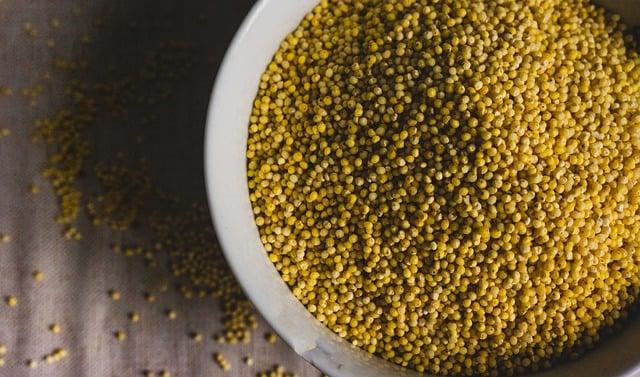
Millet is an ancient grain that has been cultivated for thousands of years, celebrated not only for its versatility in cooking but also for its remarkable health benefits. As a gluten-free grain, millet is an excellent alternative for those with gluten sensitivities or celiac disease. Rich in essential nutrients, it contains magnesium, phosphorus, iron, and B-vitamins, all of which contribute to overall wellness.
One of the standout features of millet is its high fiber content, which plays a crucial role in digestive health. Regular consumption of fiber-rich foods like millet may help in maintaining a healthy weight, lowering cholesterol levels, and stabilizing blood sugar levels. Furthermore, millet supports heart health, potentially reducing the risk of cardiovascular diseases.
| Nutrient | Benefit |
|---|---|
| Magnesium | Supports muscle and nerve function |
| Iron | Essential for oxygen transport in the blood |
| Fiber | Promotes digestive health and satiety |
| B-vitamins | Boosts energy production and mental clarity |
Incorporating millet into your diet is not only beneficial for your health but also adds a delightful nutty flavor and a satisfying texture to meals. As you prepare to make fermented millet porridge, consider all the health advantages that this super grain offers, making your breakfast not only tasty but truly nourishing.

Essential Ingredients for Perfect Millet Porridge
To achieve the creamy and flavorful texture of millet porridge, selecting the right ingredients is key. Here’s what you’ll need to get started:
- Millet: Choose whole millet grains, preferably hulled or unhulled for added nutrients.
- Liquid: Use a combination of water and milk (dairy or plant-based) to enhance creaminess. Experiment with ratios to perfect your desired consistency.
- Sweeteners: Natural sweeteners like honey, maple syrup, or coconut sugar can add a touch of sweetness. Adjust according to taste.
- Add-ins: Consider incorporating spices such as cinnamon or vanilla extract for extra flavor. Dried fruits and nuts can provide a lovely crunch and additional nutrients.
For fermenting your millet porridge, you might also want to include:
- Probiotic starter: A spoonful of yogurt or a scoop of probiotic powder to introduce beneficial bacteria.
- Time: Allow your millet porridge to ferment at room temperature for about 24 hours. This will enhance digestion and flavor.
| Ingredient | Benefits |
|---|---|
| Millet | Gluten-free, rich in vitamins and minerals. |
| Milk | Calcium and protein source that enhances creaminess. |
| Honey | Natural sweetener with antioxidant properties. |
| Spices | Add flavor and potential health benefits. |

The Step-by-Step Fermentation Process
To start your millet porridge fermentation, you’ll first need to gather your ingredients. Select high-quality millet and fresh water, ensuring that all your equipment, like jars and utensils, are perfectly clean to promote a healthy fermentation process. Here’s how to move forward:
- Soak the Millet: Rinse the millet under running water, then soak it in a bowl with water for about 8 hours or overnight. This helps to initiate sprouting and break down phytic acid, enhancing nutrient absorption.
- Blend the Millet: After soaking, drain the millet and transfer it to a blender. Add fresh water to achieve your desired porridge consistency. Blend until smooth, allowing some texture for a more wholesome feel.
- Ferment the Mixture: Pour the blended millet into a clean glass jar, leaving some space at the top for expansion. Cover it with a breathable cloth or loose lid to protect from contaminants while allowing air flow. Let it sit at room temperature for 24-48 hours.
During fermentation, beneficial bacteria will flourish, giving your porridge a tangy flavor and improving digestion. Monitor the jar for bubbles and shifting aromas, signs that fermentation is actively occurring. When the porridge reaches your preferred level of tanginess, it’s ready to be used or stored in the refrigerator for future meals.

Tips for Achieving Optimal Fermentation
To ensure that your millet porridge ferments perfectly, it’s essential to consider a few key factors that create an optimal environment for the friendly bacteria to thrive. Start with **using clean equipment** to avoid unwanted bacteria. Make sure to sterilize all jars, spoons, and containers with boiling water or a suitable sanitizer. This simple step can significantly reduce the risk of contamination.
Another crucial aspect is the **temperature** during fermentation. Millet porridge ferments best at a range between 68°F (20°C) and 85°F (29°C). If your kitchen is too cold, consider placing the jar in a slightly warmer spot, like on top of a refrigerator or near a heater. Conversely, if it’s too hot, find a cooler corner. You can even use a thermometer to monitor the temperature closely.
Lastly, the **duration of fermentation** is key. Depending on your environment and the specific strains of bacteria present, fermentation can take anywhere from 12 to 48 hours. Be sure to check the porridge periodically; when it develops a pleasantly tangy flavor and a bubbly texture, it’s ready to enjoy! Here’s a quick reference table to guide you on the fermentation process:
| Fermentation Time | Flavor Profile |
|---|---|
| 12-16 hours | Gentle tang |
| 16-24 hours | Mildly sour |
| 24-36 hours | Noticeably sour |
| 36-48 hours | Sharp tang |
By following these tips, you’ll be well on your way to achieving a deliciously fermented millet porridge packed with probiotics and flavor.

Flavor Enhancements for Your Millet Porridge
Enhancing the flavor of your fermented millet porridge is a wonderful way to elevate your breakfast experience. Here are some delightful additions to consider:
- Sweeteners: A drizzle of honey or maple syrup can add a natural sweetness that pairs beautifully with the tangy taste of fermented millet. For a healthier option, try mashed bananas or applesauce.
- Spices: Experiment with a variety of spices to add depth and warmth. Cinnamon, nutmeg, or cardamom can create a comforting, aromatic porridge that wakes up your senses.
- Fruits: Fresh or dried fruits, such as berries, diced peaches, or raisins, provide a burst of flavor and natural sweetness. They also add vibrant color, making your porridge visually appealing.
- Nuts and Seeds: Incorporating a sprinkle of walnuts, almonds, or chia seeds not only enhances the taste but also adds a satisfying crunch and boosts the nutritional profile of your breakfast.
To further enrich your porridge, consider trying out traditional toppings from various cultures:
| Cultural Topping | Flavor Profile |
|---|---|
| Maple Syrup and Walnuts (North America) | Sweet & Nutty |
| Banana and Cinnamon (Tropical) | Sweet & Warm |
| Chili Flakes and Lemon (Asian) | Spicy & Zesty |
| Honey and Sesame Seeds (Middle Eastern) | Sweet & Nutty |
These simple enhancements will not only complement the natural flavors of fermented millet porridge but also keep your breakfasts exciting and nutritious!

Serving Suggestions to Elevate Your Breakfast Experience
To transform your fermented millet porridge from a nutritious staple into a gourmet breakfast experience, consider the following delectable serving suggestions:
- Fresh Fruits: Top your porridge with a medley of seasonal fruits such as berries, bananas, or peaches for a burst of flavor and color.
- Crunchy Toppings: Add a handful of nuts or seeds like almonds, walnuts, or chia seeds to introduce a satisfying crunch and boost your healthy fats.
- Sweet Enhancements: Drizzle honey or maple syrup for a touch of sweetness, or sprinkle a dash of cinnamon or nutmeg for warm, inviting spices.
- Dairy Delights: Enhance creaminess with a dollop of yogurt or a splash of milk—plant-based options like almond or oat milk also work wonderfully.
For a more filling and savory approach, try the following:
| Savory Add-Ons | Flavor Profile |
|---|---|
| Sauteed Vegetables | Rich and hearty flavors like mushrooms, spinach, and bell peppers |
| Avocado Slices | Creamy and nutritious, providing healthy fats |
| Soft-Boiled Egg | Adding protein and richness, perfect for a balanced meal |
| Cheese Crumbles | Sharp or creamy cheese varieties like feta or goat cheese for added depth |
Explore these serving ideas to make your breakfast not only nourishing but also a delightful culinary adventure, ensuring that every bite is a taste sensation.

Common Mistakes to Avoid When Fermenting Porridge
Fermenting millet porridge can be a delightful way to enhance its nutritional profile, but several common pitfalls can derail your fermentation efforts. Awareness of these mistakes can lead to a successful culinary experience that delivers both health benefits and fantastic flavor.
- Using Inadequate Starter Culture: Ensure that you choose a proper starter culture. Using a small amount of previously fermented porridge or a high-quality yogurt can help kickstart the fermentation process effectively.
- Incorrect Temperature: Fermentation thrives in warm environments, typically between 70°F and 80°F (21°C and 27°C). Too cold, and the bacteria won’t be active; too hot, and you risk killing the beneficial microbes.
- Not Monitoring Fermentation Time: Allowing the porridge to ferment for too long can lead to overly sour flavors. Generally, 12 to 24 hours is ideal, but it may vary depending on your environment and taste preferences.
Additionally, be cautious about not adequately jar sterilization and using too much liquid, which can dilute the fermentation process. A well-balanced consistency, coupled with specific timing, will create that perfect tangy flavor and creamy texture you desire.

Nutritional Insights: Why Fermented Foods Matter
Fermented foods are gaining recognition for their profound impact on gut health and overall well-being. By undergoing the fermentation process, foods like millet porridge experience a transformation that not only enhances their nutritional profile but also introduces beneficial bacteria known as probiotics. These living microorganisms play a crucial role in maintaining a balanced gut microbiome, promoting digestion, and boosting the immune system.
Here are some key benefits of incorporating fermented foods into your diet:
- Improved Digestion: The fermentation process breaks down complex carbohydrates, making it easier for our bodies to absorb nutrients.
- Enhanced Nutrient Absorption: Fermented foods can increase the bioavailability of essential vitamins and minerals, offering more bang for your buck.
- Strengthened Immune Function: A healthy gut flora boosts overall immune response, helping fend off illness.
- Regulation of Blood Sugar Levels: Fermented foods can help stabilize blood sugar, reducing spikes and promoting steady energy levels.
Moreover, the transformation of millet porridge through fermentation not only enriches its flavor profile but also diversifies your breakfast options. Embracing this ancient practice aligns perfectly with a modern understanding of nutrition, making it a delicious and nourishing choice for any meal of the day.
Q&A
Q&A: How to Ferment Millet Porridge: A Healthy Breakfast
Q: What is fermented millet porridge, and why should I try it?
A: Fermented millet porridge is a traditional dish made by soaking and fermenting millet grains, typically resulting in a nutritious, tangy, and creamy breakfast option. It’s packed with beneficial probiotics, vitamins, and minerals, which can aid in digestion and enhance nutrient absorption. Plus, the fermentation process breaks down complex starches, making it easier for your body to digest.
Q: How do I start the fermentation process for millet porridge?
A: Begin by rinsing 1 cup of millet under cold water to remove any dust or impurities. Then, soak the millet in enough water to cover it fully, typically overnight (8-12 hours). This softening step not only prepares the grains for fermentation but also helps to neutralize the naturally occurring antinutrients.
Q: After soaking, what are the next steps for fermenting the millet?
A: After soaking, discard the soaking water and rinse the millet again. Now transfer the millet to a clean glass jar or bowl. Add fresh water (about 1-2 cups depending on how thick you like your porridge) and cover the container with a breathable cloth or lid to allow air circulation while keeping out pests. Let it ferment at room temperature for 24 to 48 hours.
Q: How can I tell when my millet porridge is done fermenting?
A: You’ll know your millet porridge is ready when you observe a slight tangy aroma and some bubbles on the surface, indicating fermentation. The texture should be creamy with a pleasant sour smell. Remember, the longer you ferment, the tangier it becomes, so feel free to adjust according to your taste.
Q: What can I top my fermented millet porridge with?
A: The beautiful thing about millet porridge is its versatility! Top it with fresh fruits like bananas or berries for sweetness, nuts and seeds for added crunch and nutrition, and a drizzle of honey or maple syrup for extra flavor. You can also try savory toppings like avocado, herbs, or a poached egg, depending on your mood.
Q: How should I store the fermented millet porridge?
A: If you have leftovers or want to prepare a batch ahead of time, simply store the fermented porridge in an airtight container in the refrigerator. It can typically last up to a week. Just remember to give it a quick stir before serving!
Q: Are there any specific health benefits to eating fermented millet porridge?
A: Absolutely! Fermented millet porridge is not only gluten-free but also rich in fiber, which promotes gut health. The fermentation process enhances the bioavailability of nutrients, meaning you’re getting more vitamins and minerals from the same amount of food. Additionally, the probiotics can contribute to better digestion and a balanced gut microbiome.
Q: Can I use other grains for fermentation, or is it just millet?
A: While this recipe focuses on millet, you can experiment with other grains like quinoa, sorghum, or even oats. Each grain may yield slightly different flavors and textures, so if you’re curious, give it a shot! Just keep in mind that cooking times and fermentation durations might vary.
Q: Is there a quick version of this process for busy mornings?
A: For a quick breakfast, you can skip the fermentation and simply cook the soaked millet with water or plant-based milk. However, if you’re aiming for that unique flavor and health benefits that come from fermentation, setting aside time on the weekend to prepare a batch can be a great investment in your health for the week ahead.
Q: Where can I find millet if I’m new to it?
A: Millet is becoming increasingly popular and can often be found in health food stores, well-stocked supermarkets, or online. Look for whole millet or pre-packaged millet flour, depending on your preference for texture.
Feel free to try your hand at fermenting millet porridge and enjoy a healthier breakfast that’s both satisfying and delicious!
Final Thoughts
As we wrap up our journey into the world of fermenting millet porridge, we hope you’re feeling inspired to bring this nutritious breakfast into your morning routine. With its simple process and impressive health benefits, fermenting millet not only enhances its flavor but also boosts its digestibility and nutritional profile. So, gather your grains and get creative in the kitchen; your taste buds and body will thank you! Remember, fermentation is as much an art as it is a science—don’t hesitate to experiment and make it your own. Happy fermenting!