How to Preserve a Bat: Techniques for Wildlife Enthusiasts
Are you a wildlife enthusiast with a penchant for the peculiar? Have you ever found yourself staring in awe at a bat, that delightful acrobat of the night sky, and thought, “How can I keep this little flying marvel forever?” Well, fear not! In this article, “How to Preserve a Bat: Techniques for Wildlife Enthusiasts,” we’ll equip you with the know-how to turn your fascination into an art form—minus the creepy-factor that sometimes comes with taxidermy. From choosing the right techniques to ensuring your winged friend ends up looking majestic rather than like a science experiment gone wrong, we’re here to help! So grab your gloves and put on your thinking cap—we’re about to take a humorous yet professional dive into the world of bat preservation!
Article Contents
- Choosing the Right Materials for Bat Preservation
- Understanding the Anatomy of Bats for Better Preservation
- Step-by-Step Guide to Safely Preparing a Bat Specimen
- Essential Techniques for Drying and Mounting Bats
- Best Practices for Documenting and Labeling Your Specimens
- Maintaining Bats in Controlled Environments
- Common Mistakes to Avoid During the Preservation Process
- Ethical Considerations for Wildlife Preservation Enthusiasts
- Faq
- Wrapping Up
Choosing the Right Materials for Bat Preservation
When it comes to preserving bats, selecting the right materials is crucial to ensure their integrity and longevity. Here are some key materials to consider:
- Acid-Free Tissue Paper: This paper helps prevent acid degradation, making it ideal for wrapping delicate parts of the bat. Choose a weight that is both sturdy and gentle.
- Preservation Jar: A glass jar or airtight container is essential for storing the bat in a liquid medium. Opt for UV-filtering glass to protect against light degradation.
- Antimicrobial Solutions: Using a solution, such as ethanol or isopropyl alcohol, can help inhibit bacterial or fungal growth. Make sure to select a concentration that is effective yet gentle enough not to deteriorate the specimen.
- Labels: Use archival-quality labels for identification. Waterproof or acid-free materials can ensure that important data remains intact.
Additionally, using appropriate tools during the preservation process minimizes damage:
| Tool | Purpose |
|---|---|
| Forceps | To handle the bat gently without applying pressure |
| Surgical Scissors | For precise cuts, especially when preparing specimens for mounting |
| Pipette | For applying preservation solutions without overflow |
By choosing high-quality materials and tools, you not only preserve bats effectively but also respect their intricate structures and the vital role they play in our ecosystems.
Understanding the Anatomy of Bats for Better Preservation
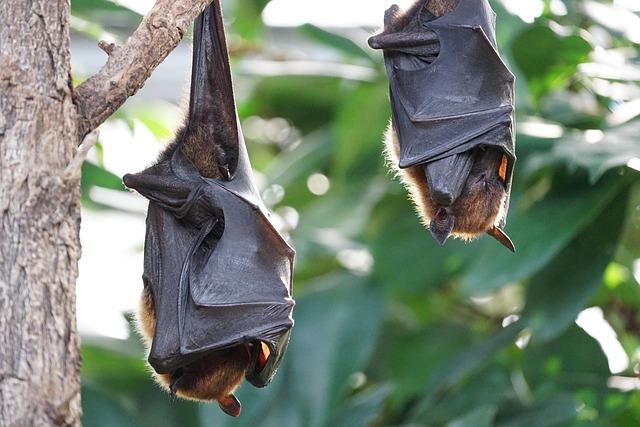
To effectively preserve bats, it’s crucial to first understand their unique anatomy and physiology. These fascinating creatures possess a variety of specialized features that not only enable them to thrive in various environments but also make them sensitive to changes in conditions. By gaining insight into their structure, wildlife enthusiasts can implement more effective preservation techniques.
Key anatomical aspects of bats include:
- Wing Structure: Bats have elongated finger bones that support their wings, allowing for exceptional maneuverability. This delicate structure is prone to tears and damage, underscoring the need for gentle handling during preservation.
- Echolocation System: Many bats utilize echolocation for navigation and hunting. Understanding this sensory mechanism can guide the preservation of their habitats, ensuring they remain conducive for foraging and social interaction.
- Fur and Skin: The insulating properties of bat fur are vital for thermoregulation. When preserving a bat specimen, it’s essential to maintain the integrity of the fur and skin to prevent deterioration.
Here’s a brief overview of bat anatomy relevant for preservation:
| Body Part | Preservation Tip |
|---|---|
| Wings | Handle with care; avoid bending or folding. |
| Eyes | Cover with a soft cloth to prevent drying. |
| Feet | Ensure they are not constricted; preserve natural posture. |
By appreciating the complexity of bat anatomy and its significance, enthusiasts can not only enhance their preservation skills but also contribute to the ongoing efforts to protect these essential members of our ecosystem.

Step-by-Step Guide to Safely Preparing a Bat Specimen
Preparing a bat specimen requires careful handling and adherence to safety guidelines. Before starting, ensure you have all necessary tools and materials at hand:
- Personal Protective Equipment (PPE): Wear gloves, a mask, and safety goggles to protect yourself from potential zoonotic diseases.
- Dissection Tools: Have a scalpel, scissors, forceps, and a storage container ready.
- Preservation Supplies: Ethanol or formaldehyde solutions, containers for liquids, and labels.
Once you have gathered your materials, follow these steps for safe specimen preparation:
- Step 1: Carefully remove the bat from its environment using gloves to avoid direct contact.
- Step 2: Ensure the bat is deceased and show no signs of movement before proceeding.
- Step 3: Make a small incision along the abdomen to access internal organs, if required for study purposes.
- Step 4: Place the bat in a labeled container and cover with the preservation solution. This will help maintain its condition for anatomical study.
document the specimen information using a table to keep track:
| Date Collected | Location | Species | Collector |
|---|---|---|---|
| 10/01/2023 | Central Park, NY | Little Brown Bat | John Smith |
| 10/02/2023 | Everglades, FL | Big Brown Bat | Jane Doe |
Essential Techniques for Drying and Mounting Bats
Drying and mounting bats requires a delicate approach to ensure that the specimens retain their unique characteristics while also preventing damage. Here are some essential techniques that every wildlife enthusiast should follow:
- Field Preparation: Immediately after collection, handle the bat with care. Use gloves to protect both yourself and the specimen. Place the bat in a paper bag rather than plastic, as this allows for some air circulation and prevents unwanted moisture accumulation.
- Drying Process: To dry the bat, you can use a dehydrator or place the specimen in a well-ventilated area away from direct sunlight. If using a dehydrator, set it to a low temperature (around 95°F or 35°C) to prevent any burning or cracking.
- Positioning: When laying the bat out to dry, position the wings carefully to maintain their shape. Using toothpicks or small wooden dowels can help keep the wings extended and prevent curling.
Once the bat is dry, mounting is the next step. Here are a few tips to achieve a visually appealing display:
- Mounting Board: Choose a sturdy backing board, such as foam core or plywood, that will support the bat’s weight and provide a solid base for display.
- Landscape Arrangement: Create an engaging environment by adding natural elements like twigs, moss, or leaves. This can enhance the overall presentation and provide a more authentic look.
- Preservation Treatment: Optionally, apply a protective spray or sealant to the mounted bat to help preserve its coloration and structure against deterioration from dust or moisture.
By adhering to these methods, you can successfully dry and mount bats while showcasing their beauty and intricate details for educational and conservation purposes.
Best Practices for Documenting and Labeling Your Specimens
Proper documentation and labeling of your specimens are crucial for future reference, research, and sharing your finds with the community. Start by ensuring each specimen is accompanied by a detailed label that includes the following essential information:
- Species Identification: Use the scientific name along with the common name, if possible, to avoid confusion.
- Collection Date: Recording the exact date when the specimen was collected helps establish age and seasonal behaviors.
- Location Data: Provide a precise location, including GPS coordinates, habitat type, and any specific environmental conditions that may be relevant.
- Collector’s Name: Include the name and contact information of the person who collected the specimen for potential follow-up.
In addition to label information, keeping a well-organized logbook or digital database with further details about each specimen can enhance your documentation process. Consider using a table format to summarize key facts, such as:
| Specimen ID | Species | Collection Date | Location |
|---|---|---|---|
| 001 | Myotis lucifugus | 2023-04-15 | Forest Trail, GPS: 45.34N, 75.68W |
| 002 | Eptesicus fuscus | 2023-06-22 | Park Pond, GPS: 45.45N, 75.77W |
This level of organization not only aids in your future research efforts but also contributes to the broader scientific community, as others can learn from your findings and methods.
Maintaining Bats in Controlled Environments
Creating a controlled environment for bats can significantly enhance their longevity and preserve their unique characteristics for educational and research purposes. Key factors to consider include:
- Temperature: Bats thrive in specific temperature ranges. It is crucial to maintain a stable temperature, ideally between 60°F to 75°F (15°C to 24°C).
- Humidity: High humidity levels mimic natural habitats. Aim for humidity around 50-70% to ensure bats remain healthy.
- Natural Light Cycles: Incorporate a lighting system that simulates natural day and night cycles, helping regulate the bats’ internal clocks.
Feeding strategies play a vital role in maintaining healthy bats in captivity. Consider the following:
| Food Type | Nutritional Benefits |
|---|---|
| Moths | High in protein and essential fatty acids. |
| Mealworms | Great source of protein and easy to digest. |
| Fruits | Provides necessary vitamins and hydration. |
Regular health checks are essential for monitoring the well-being of bats in controlled settings. Observing their behavior and tracking their feeding habits ensures any potential issues are identified early. Moreover, creating a stress-free environment with plenty of hiding spaces and perches mimics the bats’ natural habitat, allowing them to maintain healthy social behaviors and reduce anxiety.

Common Mistakes to Avoid During the Preservation Process
When venturing into the intricate art of preserving bats, there are several common pitfalls that can jeopardize the quality of your finished specimen. One of the most critical errors is improper handling of the specimen immediately after death. **Always ensure** that the bat is handled gently and placed in a cooler to delay decomposition and insects. This will help maintain the integrity of its features, essential for a successful preservation process.
Another frequent mistake is **neglecting to prepare the specimen adequately**. Failing to remove internal organs, not thoroughly cleaning the skin, or skipping the step of drying the bat can lead to deterioration over time. To streamline this process, consider keeping a checklist that includes:
- Gentle cooling immediately after collection
- Complete evisceration
- Thorough cleaning of the skin
- Proper drying techniques
Moreover, **using inappropriate preservatives** can interfere with the preservation’s efficacy. It’s essential to choose high-quality chemicals that are specifically designed for taxidermy. Always follow recommended ratios and avoid improvisation. Below is a simple table outlining common preservatives with their intended applications:
| Preservative | Usage |
|---|---|
| Ethyl Alcohol | Standard for general preservation |
| Formaldehyde | For tissue fixation and preservation |
| Glycerin | Moisturizer for skin specimens |
Avoiding these common mistakes will significantly enhance your chances of achieving a successful preservation result that showcases the beauty and detail of the bat. With careful attention to detail and the right techniques, you can create a lasting tribute to these fascinating creatures.
Ethical Considerations for Wildlife Preservation Enthusiasts
When undertaking the noble task of wildlife preservation, it’s essential to remember that our actions have broader implications for both the animals we aim to help and the ecosystems they inhabit. Practitioners must adhere to a set of ethical guidelines that promote the well-being of the species while respecting their natural behaviors and habitats.
- Minimize Human Interaction: Limit direct contact with bats. Frequent handling can cause stress and disorientation in these sensitive animals.
- Protect Habitats: Focus on conserving and restoring natural habitats. Avoid introducing non-native species that may disrupt the local ecosystem.
- Promote Education: Share knowledge about bats and their importance in the ecosystem to foster community support for preservation efforts.
It’s also vital to consider the potential repercussions of intervention. Each action taken must be carefully weighed against the benefits it may provide to bat populations. Establishing a sustainable approach involves understanding these creatures’ ecological roles and prioritizing strategies that empower them to thrive independently:
| Consideration | Questions to Ask |
|---|---|
| Conservation Methods | Are these methods aligned with the bats’ natural behaviors? |
| Community Engagement | How can we involve local communities in our efforts? |
| Long-term Impact | What are the potential long-term effects of our actions? |
Faq
Q&A: How to Preserve a Bat – Techniques for Wildlife Enthusiasts
Q1: Why would someone want to preserve a bat?
A1: Preserving a bat can serve multiple purposes. Wildlife enthusiasts, researchers, and educators often preserve specimens for study, education, or display in museums. Preservation helps scientists learn about bat anatomy, health, and disease, while also allowing the public to appreciate these unique creatures. Moreover, if you find a bat that has unfortunately passed away, preserving it can contribute to scientific knowledge and conservation efforts.
Q2: What is the first step in preserving a bat?
A2: The first important step is to handle the bat safely. Always wear gloves to avoid direct contact, as bats can carry diseases. If the bat is deceased, gently place it in a sturdy container to protect it during transport. If you are collecting a live bat for research, ensure you follow local wildlife laws and guidelines to avoid legal issues.
Q3: What are the best techniques for preserving a bat?
A3: There are various techniques you can use, but the most common methods include:
-
Taxidermy: This is the most traditional method for preservation, allowing for a lifelike representation. It typically requires a skilled taxidermist, but you can learn basic techniques if you’re interested in DIY projects.
-
Freezing: If you are not ready to preserve the bat immediately, freeze it in a plastic bag. This approach maintains its condition until you’re prepared to start the preservation process.
-
Drying: For a simple, less invasive method, you can dry the bat in a cool, dark place. This usually requires removing moisture and may involve the use of desiccants like silica gel.
-
Alcohol Preservation: Soaking the bat in 70% isopropyl alcohol can help maintain its physical structure, making it perfect for educational purposes. Make sure to use a well-sealed container.
Q4: Are there any specific tools I’ll need to preserve a bat?
A4: Yes, a few key tools can make the process easier. You’ll typically need:
- Gloves (nitrile or latex)
- Sharp scissors or a scalpel
- Dissecting tools (forceps, scalpels)
- Preservative solution (ethanol or isopropyl alcohol)
- A suitable container (glass jars, plastic bags)
- Safety equipment (goggles and a mask for taxidermy and chemical use)
Q5: How should I ensure the ethical treatment of bats when preserving them?
A5: Ethics is crucial. Make sure to respect local laws regarding wildlife preservation. Never take a bat from the wild without permission, especially if it’s a protected species. If you find a sick or injured bat, contact a local wildlife rehabilitator who can assist. Endeavor to only preserve bats that have already died naturally, and always aim to contribute positively to scientific understanding.
Q6: What resources are available for those interested in learning more about bat preservation?
A6: Plenty of resources can help you dive deeper into bat preservation. Consider checking out:
- Local wildlife conservation organizations or nature centers that often offer workshops.
- Online courses and webinars focusing on wildlife preservation techniques.
- Field guides and textbooks on taxidermy and specimen preparation.
- Networking with other wildlife enthusiasts through forums or local clubs.
This knowledge will enhance your skills and understanding while contributing to conservation efforts!
Wrapping Up
preserving a bat is not only a valuable contribution to wildlife conservation but also an enriching experience for any nature enthusiast. Whether you choose the classic techniques of taxidermy, soft preservation methods, or even creating a unique display, each approach offers a chance to deepen your connection to these remarkable creatures. Remember, the key is to respect their natural beauty while employing the best practices for preservation. As you embark on your journey, feel free to share your experiences and tips with fellow enthusiasts—after all, helping each other is what the community is all about. Happy preserving, and may your newfound skills inspire a greater appreciation for the fascinating world of bats!