How to Preserve Cattails for Crafts: Unlock Your Inner Nature Artist!
Are you tired of your craft supply closet looking like a tornado hit a paint factory? Do you want to add a touch of rustic charm to your next DIY project without breaking the bank? Look no further! In this guide on “How to Preserve Cattails for Crafts,” we’ll show you how to transform these fluffy, marshy wonders into stunning décor that will have your friends wondering if you’ve had a secret apprenticeship with Mother Nature herself. Whether you’re channeling your inner artisan or just looking to impress at the next backyard barbecue, preserving cattails can elevate your crafts with a unique twist. So grab your scissors, leave the glitter behind, and let’s dive into the delightful world of cattail crafts! Your creativity—and your closet—will thank you.

Article Contents
- Selecting the Right Time to Harvest Cattails
- Preparing Cattails for Preservation
- Effective Drying Techniques for Cattails
- Dyeing Cattails for a Colorful Touch
- Incorporating Preserved Cattails in Crafts
- Tips for Storing Dried Cattails Properly
- Creative Craft Ideas Featuring Cattails
- Maintaining Your Cattail Crafts and Decor
- Frequently asked questions
- Insights and Conclusions
Selecting the Right Time to Harvest Cattails
Harvesting cattails at the right time is crucial for both preservation efforts and crafting quality. To ensure that you collect the best materials for your crafts, consider the following factors:
- Seasonality: The best time to harvest cattails is in late summer to early fall, specifically from August to October. At this time, the catkins are fully mature, providing the desired texture and fluffiness.
- Weather Conditions: Aim to pick cattails on a dry day. Wet or damp conditions can lead to mold during storage, compromising the freshness and usability of your harvest.
- Harvesting Time of Day: Early morning or late afternoon is optimal for harvesting, when temperatures are cooler, minimizing degradation of the plants.
To further guide your harvesting efforts, make note of the ideal characteristics of cattails:
| Characteristic | Ideal Condition |
|---|---|
| Catkin Color | Golden brown to light tan |
| Stem Thickness | Firm and sturdy, around 1-2 cm |
| Leaf Condition | Green and pliable, without signs of wilting |
By paying attention to these details, you can select the perfect cattails that not only enhance your craft projects but also stand the test of time in preservation. Taking the time to harvest thoughtfully will pay off in the quality of your final creations.
Preparing Cattails for Preservation
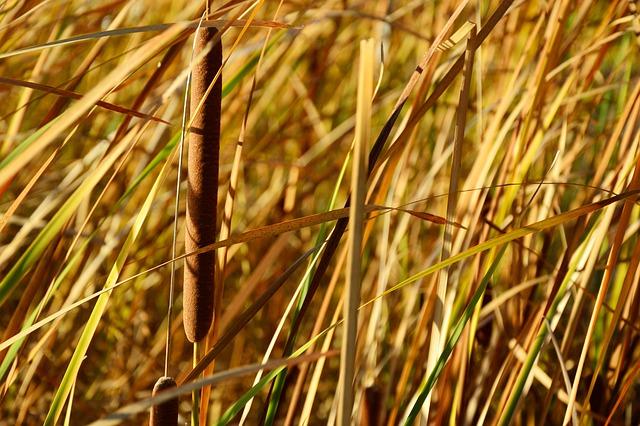
To effectively preserve cattails for your crafts, it’s essential to follow a systematic approach that ensures their longevity and appearance. Start by selecting mature cattails, which are typically characterized by their distinct brown, fluffy flower spikes. After harvesting, remove any excess foliage, leaving just enough stem and fluff for aesthetics.
Here’s a simple process to prepare your cattails:
- Clean the Cattails: Rinse them gently with cool water to remove any dirt or insects.
- Dry: Lay the cattails on a towel in a cool, dry area away from direct sunlight. Allow them to air dry completely, which may take a few days.
- Preservation Solution: Prepare a mixture of equal parts glycerin and water. This will help maintain the cattails’ flexibility and natural color.
- Soak: Submerge the dried cattails in the glycerin solution for about a week, ensuring they are fully immersed.
- Final Drying: Remove the cattails from the solution and hang them upside down to dry for a few more days.
When working with multiple cattails, it can be useful to keep track of their preservation process. You can create a simple table to monitor the soaking times and conditions:
| Cattail Batch | Soaking Start Date | Soaking End Date | Drying Time |
|---|---|---|---|
| Batch 1 | 09/01/2023 | 09/08/2023 | 3 days |
| Batch 2 | 09/05/2023 | 09/12/2023 | 4 days |
This preparation method not only preserves the beauty of cattails but also enhances their usability for various crafting projects. With the right technique, your preserved cattails will be a stunning addition to any arrangement or decorative piece.
Effective Drying Techniques for Cattails
To effectively dry cattails for your craft projects, consider these techniques that ensure you maintain their shape and color:
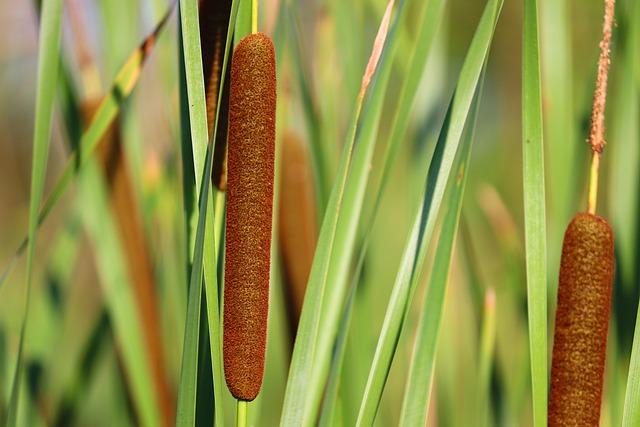
- Air Drying: Hang cattails in small bundles in a cool, dry space away from direct sunlight. This method allows for gradual drying and helps to retain the cattails’ natural texture.
- Pressing: Place cattails between sheets of paper and use a heavy weight on top to flatten them. This technique is ideal if you want to use them in scrapbook projects or card-making.
- Silica Gel Method: Bury the cattail heads in silica gel to absorb moisture quickly. This method helps maintain their color and shape, making them perfect for flower arrangements.
Choosing the right drying technique depends on your intended use, but be mindful of the following tips to maximize effectiveness:
| Technique | Best For | Notes |
|---|---|---|
| Air Drying | Natural displays | Use in well-ventilated areas |
| Pressing | Scrapbooking | Flattening may lose some volume |
| Silica Gel | Preserving color | Have silica gel on hand |
By using these drying techniques, you can ensure your cattails are beautifully preserved and ready for any creative endeavor you have in mind.

Dyeing Cattails for a Colorful Touch
Dyeing cattails can elevate your craft projects with vibrant colors, adding a unique flair to floral arrangements, wreaths, or any other decorative piece. The process is simple and allows for creativity. Here’s how to go about it:
- Choose Your Dye: Natural dyes from plants or store-bought fabric dyes can be used. Consider options like beet juice for red, turmeric for yellow, and avocado pits for soft pinks.
- Prepare the Cattails: Strip the cattails of any excess leaves, leaving just the fluffy tops. This ensures that the dye absorbs better.
- Make the Dye Bath: In a pot, mix water and your chosen dye, then bring it to a simmer. If using natural dye, let the plant material steep to extract the color before removing it.
- Dye the Cattails: Submerge the prepared cattails in the dye bath and allow them to soak. The time can range from a few minutes to several hours, depending on the desired color intensity.
- Set the Color: After dyeing, rinse the cattails gently in cold water and lay them flat to dry. For added longevity of the color, consider spraying them with a light coat of acrylic sealer.
Experiment with layering colors or adding patterns by tying sections of the cattails with rubber bands before dyeing. This technique can yield beautiful variegated effects, enhancing the natural beauty of the cattails. You can combine various shades to achieve a customized look that will complement any seasonal decor.
| Color | Material for Dye | Soaking Time |
|---|---|---|
| Red | Beet Juice | 30 mins |
| Yellow | Tumeric | 20 mins |
| Blue | Red Cabbage | 1 hour |
| Green | Spinach | 45 mins |
Incorporating Preserved Cattails in Crafts
Preserved cattails can add a unique and rustic touch to a variety of crafts, making them an interesting material for DIY enthusiasts. Once you have successfully preserved your cattails, consider these creative ways to utilize them:
- Floral Arrangements: Incorporate preserved cattails into dried flower bouquets for an earthy aesthetic.
- Wreaths: Use cattails as a natural element in seasonal wreaths, whether for autumn, winter, or spring decor.
- Home Decor: Create stunning table centerpieces by pairing cattails with other dried plants in elegant vases.
- Craft Projects: Incorporate them into collage art, where their texture and color can enhance visual appeal.
To ensure your preserved cattails maintain their beauty, proper handling and storage are essential. Store them in a cool, dry place away from direct sunlight to prevent fading. To give you a better understanding of their best uses, here’s a table summarizing some effective craft ideas:
| Craft Idea | Description |
|---|---|
| Decorative Arrangements | Combine with other dried flowers in vases or jars. |
| Mixed Media Art | Integrate into canvases for added dimension and texture. |
| Festive Wreaths | Make seasonal wreaths that showcase their unique shape. |
With their stunning natural appeal and versatility, preserved cattails open up a world of creative possibilities. Experiment with different arrangements and designs to find what resonates with your personal style, and let your imagination guide you in crafting unique pieces that inspire and delight.
Tips for Storing Dried Cattails Properly
To keep your dried cattails looking their best for your crafting projects, proper storage is essential. Here are some effective methods to consider:
- Choose the Right Container: Store cattails in a breathable container, such as a cardboard box or a paper bag, to prevent moisture accumulation.
- Keep Them in a Cool, Dry Place: Ideal storage conditions are away from direct sunlight and high humidity. A temperature-controlled area, like a basement or closet, works well.
- Avoid Crushing: Be gentle when handling the cattails, and avoid stacking them too high to prevent crushing, which can lead to damage.
Additionally, it’s wise to periodically check your stored cattails for any signs of mold or degradation. If you notice issues, consider replacing any affected pieces to maintain the quality of your craft supplies. By following these tips, you can ensure your dried cattails remain vibrant and ready for your creative projects.
Creative Craft Ideas Featuring Cattails
Cattails are not just beautiful aquatic plants; they offer endless possibilities for crafts once preserved properly. Here are some innovative ways to utilize preserved cattails in your creative projects:
- Floral Arrangements: Use dried cattails as a stunning accent in floral centers or chic bouquets. Their unique shape adds texture and height.
- Home Decor: Incorporate cattails into wreaths, wall hangings, or table centerpieces. They blend seamlessly into rustic or nature-inspired themes.
- Gift Wrapping: Attach preserved cattails to gift packages for a natural touch. They are perfect for earthy-themed gifts, especially for nature lovers.
To effectively preserve cattails for long-lasting use, follow these simple steps:
| Step | Description |
|---|---|
| Harvest | Select cattails during dry seasons when they are mature for the best results. |
| Drying | Hang the cattails upside down in a cool, dark place to allow slow drying, preserving their shape and color. |
| Sealing | Once dry, spray a clear sealant to keep the cattails intact and protect them from damage. |
With these ideas and preservation techniques, you can unleash your creativity and transform cattails into beautiful, lasting crafts that celebrate the beauty of nature.
Maintaining Your Cattail Crafts and Decor
Once you’ve created your beautiful cattail crafts and decor, it’s essential to ensure they maintain their charm and durability. Here are some tips to keep your natural pieces looking fresh and vibrant:
- Keep Away from Direct Sunlight: Prolonged exposure to direct sunlight can cause fading and deterioration. Display your cattail crafts in shaded areas to preserve their natural color.
- Regular Dusting: Use a soft brush or a feather duster to gently remove dust buildup. This will help keep your pieces clean without damaging them.
- Avoid Moisture: Cattails are susceptible to mold and mildew if exposed to excessive moisture. Store them in a cool, dry environment, especially during humid seasons.
In addition to these care tips, consider the following preservation techniques to enhance the longevity of your cattail crafts:
| Preservation Method | Description |
|---|---|
| Air Drying | Let your cattails naturally dry in a cool, dark place before using them in crafts. |
| Sealants | Apply a clear acrylic spray to protect against dust, moisture, and fading. |
| Storage | Store your crafted items in breathable containers or wrap them in tissue paper to avoid crushing. |
By incorporating these maintenance practices into your routine, you can enjoy your cattail crafts for years to come, preserving both their beauty and the memories associated with them.
Frequently asked questions
Q&A: How to Preserve Cattails for Crafts
Q: What are cattails, and why are they popular for crafts?
A: Cattails are tall, reed-like plants typically found in wetlands, marshes, and along lake shores. Their distinctive brown flower heads, often resembling hotdogs on a stick, make them visually striking and versatile for various crafts. People love using cattails for home decor, wreaths, floral arrangements, and more because of their unique texture and natural appeal.
Q: What is the best time to harvest cattails for crafting?
A: The ideal time to harvest cattails is late summer to early fall when the flower heads are mature but before they begin to disperse their fluff. This ensures you get the best texture and appearance for your crafts.
Q: How should I go about harvesting cattails?
A: When harvesting, use sharp scissors or garden shears to cut the stalks at the base. Make sure to only take what you need and leave plenty for the ecosystem. It’s also a good idea to check local regulations regarding harvesting from public lands.
Q: What methods can I use to preserve cattails?
A: There are multiple methods to preserve cattails, but here are two popular options:
-
Air Drying: Simply hang the cattails upside down in a cool, dry place with good air circulation. This method maintains their shape and allows them to dry naturally, which can preserve their color and texture.
-
Glycerin Preservation: Mix one part glycerin with two parts water and submerge the cut ends of the cattails in this solution. Over time, the glycerin will travel up the stalks, keeping the cattails supple and rich in color.
Q: How do I use preserved cattails in my crafts?
A: Preserved cattails can be used in countless ways! You can incorporate them into floral arrangements, wreaths, or table centerpieces. They also look great in natural decor or as standalone accents in vases. Just remember that preserved cattails should be treated gently to avoid breaking or damaging them.
Q: How long do preserved cattails last?
A: With proper care, preserved cattails can last for several months to a few years. Avoid exposing them to direct sunlight or humidity for extended periods, as this can cause fading and deterioration.
Q: Can I paint or add embellishments to cattails for my projects?
A: Absolutely! You can paint or spray seal your preserved cattails with acrylic paint or a clear sealant to match your decor. Just be sure to test any paints or adhesives on a small area first to ensure they won’t damage the natural fibers.
Q: Where can I find cattails if I can’t harvest them myself?
A: If harvesting yourself isn’t an option, many craft stores or online retailers offer dried cattails. Just be sure to buy from reputable sources to ensure quality and environmentally friendly practices.
Q: Do you have any tips for beginners working with cattails?
A: Start with simple projects to get comfortable with the material. Wreath-making is a great beginner craft since it allows you to explore different arrangements. Also, remember to have fun and experiment—there are no strict rules in crafting, so let your creativity shine!
With these tips and information, you’re now well-equipped to preserve and craft with cattails. Enjoy the process, and happy crafting!
Insights and Conclusions
preserving cattails for your crafting projects opens up a world of creative possibilities and allows you to embrace nature in your home decor. Whether you’re making wreaths, centerpieces, or other unique pieces, knowing how to properly dry and preserve these versatile plants will ensure they stand the test of time. So gather your cattails, follow the preservation techniques we’ve discussed, and let your imagination run wild. Happy crafting! Remember, each project is a reflection of your unique style, so have fun and make it your own!