Article Contents
- Understanding Kohlrabi: Nutritional Benefits and Culinary Uses
- Selecting the Best Kohlrabi: Tips for Choosing Fresh Produce
- Preparation Techniques: Cleaning and Properly Trimming Kohlrabi
- Preservation Methods: Best Practices for Storing Kohlrabi
- Refrigeration and Freezing: How to Keep Kohlrabi Crisp and Fresh
- Creative Recipes: Ways to Use Your Preserved Kohlrabi
- Exciting Ways to Use Your Preserved Kohlrabi
- Common Mistakes to Avoid: Ensuring Freshness and Flavor
- How Long Does Kohlrabi Last: Storage Duration and Signs of Spoilage
- Q&A
- Concluding Remarks
How to Preserve Kohlrabi: Tips for Crisp and Fresh Veggies
Are you tired of your kohlrabi turning into a sad, wilted shadow of its former self? Fear not, veggie enthusiasts! In this guide, “How to Preserve Kohlrabi: Tips for Crisp and Fresh Veggies”, we’re diving deep into the world of kohlrabi preservation. Whether you’re a seasoned home gardener with a bumper crop or just someone who can’t resist that quirky-looking cruciferous vegetable at the farmer’s market, keeping your kohlrabi crisp and fresh is a game-changer. You’ll learn foolproof methods to maintain its crunchy glory, ensuring it remains a star player in your salads and stir-fries. Say goodbye to floppy kohlrabi—your fridge is about to become the ultimate crispiness zone! Buckle up for a fun and informative ride that will have you preserving your veggies like a pro. Let’s crunch into it!

Understanding Kohlrabi: Nutritional Benefits and Culinary Uses
Kohlrabi, often overlooked in the produce aisle, is a versatile vegetable that packs a punch in both nutrition and flavor. This bulbous relative of cabbage is not only low in calories but also a great source of essential nutrients. Here are some of the key nutritional benefits:
- Rich in Vitamins: Kohlrabi is high in vitamin C, which supports immune health and skin integrity, alongside providing vitamin B6 and potassium.
- High in Fiber: The fiber content aids digestion and helps maintain a healthy gut, making it an excellent addition to your diet for improved overall health.
- Low in Calories: With minimal calories, kohlrabi is an ideal snack or side dish for those looking to manage their weight without sacrificing flavor.
When it comes to incorporating kohlrabi into your meals, the possibilities are virtually endless. You can enjoy it raw, sliced into salads for a crunchy texture, or roasted for a rich, caramelized flavor. Here are some culinary uses:
- Salads and Slaws: Grate kohlrabi for a refreshing slaw that brightens up any meal.
- Soups and Stews: Chop it up and simmer it in soups for added nutrition and bulk.
- Stir-Fries: Slice it thinly and toss it into stir-fries for a delightful crunch.
For those looking to savor kohlrabi throughout the year, preserving it is a great option. It can be pickled, steamed and frozen, or even dehydrated, maintaining its delightful taste and crisp texture.
Selecting the Best Kohlrabi: Tips for Choosing Fresh Produce
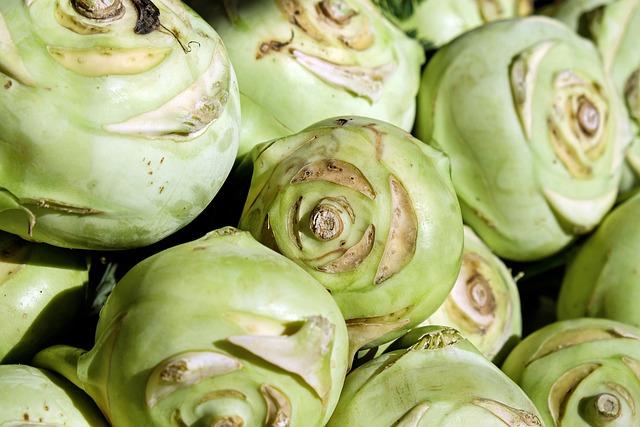
When it comes to selecting kohlrabi, knowing what to look for can make all the difference in achieving the best flavor and texture. Here are some essential tips:
- Look for Firmness: Choose kohlrabi bulbs that are solid to the touch. Soft spots or excessive wrinkling may indicate overripeness.
- Color Matters: Depending on the variety, kohlrabi can range from green to purple. Ensure the skin is vibrant and free from blemishes.
- Size Selection: Opt for medium-sized bulbs, as larger ones might be tougher and more fibrous. A diameter of 3-4 inches is ideal for a tender crunch.
- Leaf Inspection: Fresh kohlrabi should still have green leaves attached. Look for bright, crisp greens as a sign of freshness.
Additionally, keep these storing conditions in mind to preserve your kohlrabi’s crispness:
| Storage Method | Ideal Conditions |
|---|---|
| Refrigeration | Keep kohlrabi unwashed in a plastic bag, storing it in the vegetable crisper. Ideal temperature is around 32°F. |
| Freezing | Blanch cut kohlrabi for 2-3 minutes, then cool in ice water before sealing in freezer bags. |

Preparation Techniques: Cleaning and Properly Trimming Kohlrabi
Before storing kohlrabi, it’s essential to ensure that you start with clean, well-trimmed vegetables. Begin by rinsing each kohlrabi under cool, running water to remove any dirt or debris that may be clinging to the skin. You can use a vegetable brush if needed to scrub off stubborn residues. This initial step is vital for maintaining freshness and preventing spoilage during storage.
Next, focus on trimming the kohlrabi properly. Follow these steps for optimal preparation:
- Remove the leaves: Use a sharp knife to cut off the leaves, leaving about an inch of stem attached to the bulb. This helps prevent moisture loss while also making handling easier.
- Trim the root: Slice off the root end carefully, ensuring you do not dig into the bulb itself.
- Peel if necessary: For older kohlrabi, the skin may be tough. Use a vegetable peeler or knife to remove the outer layer, revealing the tender, edible flesh inside.
Properly cleaned and trimmed kohlrabi can last longer in storage. Aim to keep it in a cool, moist environment, like your refrigerator’s vegetable crisper. To further extend its freshness, consider wrapping the kohlrabi in a damp paper towel and placing it in a perforated plastic bag. This method maintains humidity without allowing excess moisture to accumulate, which could lead to rot.

Preservation Methods: Best Practices for Storing Kohlrabi
Proper storage is crucial for keeping your kohlrabi crisp and fresh. Here are some **best practices** to follow:
- Refrigeration: Store kohlrabi in the crisper drawer of your refrigerator. The ideal temperature is around 32°F (0°C) with high humidity. This helps maintain its crunchiness.
- Remove Leaves: Before storage, cut off the leaves and stem, leaving about an inch of stem. This prevents moisture loss and extends shelf life.
- Wrap in Damp Paper Towels: To retain moisture, wrap the bulbs in damp paper towels or place them in a perforated plastic bag.
If you want to preserve kohlrabi for an extended period, consider these methods:
| Preservation Method | Description | Duration |
|---|---|---|
| Freezing | Blanch kohlrabi pieces in boiling water for 3-4 minutes, then plunge into ice water before freezing. | 10-12 months |
| Pickling | Slice kohlrabi and soak in a vinegar solution with spices for added flavor. | Up to 1 year |
| Fermentation | Ferment kohlrabi in a saltwater brine for a tangy treat. | 2-3 months |
Refrigeration and Freezing: How to Keep Kohlrabi Crisp and Fresh
Kohlrabi is a wonderfully versatile vegetable, and keeping it crisp and fresh involves the right refrigeration and freezing techniques. To maximize the longevity of your kohlrabi, follow these essential tips:
- Storage Temperature: Keep kohlrabi in the refrigerator at a temperature between 32°F and 34°F (0°C to 1°C) to maintain its crunchiness. This cool environment slows down degradation and preserves moisture.
- Wrapping: Wrap kohlrabi loosely in a damp paper towel and then place it in a perforated plastic bag. This method helps maintain humidity without creating excess moisture that could lead to mold.
- Placement: Store kohlrabi in the vegetable crisper drawer of your fridge. This area is specifically designed to provide optimal humidity levels.
If you’re looking to extend the shelf life of kohlrabi even further, freezing is a viable option, though it may alter the texture slightly. Here’s how to do it:
- Preparation: Begin by peeling the kohlrabi and cutting it into uniform cubes or slices. This creates even freezing and easier use later on.
- Blanching: Blanch the kohlrabi pieces in boiling water for 2-3 minutes. This process helps preserve color, flavor, and nutrients. Quickly transfer them to an ice bath to halt cooking.
- Freezing: Once cooled, drain and pat dry. Place the kohlrabi in airtight freezer bags or containers, ensuring to remove as much air as possible to prevent freezer burn.
Here’s a quick reference table for best practices:
| Method | Temperature | Duration |
|---|---|---|
| Refrigeration | 32°F to 34°F (0°C to 1°C) | 1-2 weeks |
| Freezing | 0°F (-18°C) or lower | 6-12 months |

Creative Recipes: Ways to Use Your Preserved Kohlrabi
Exciting Ways to Use Your Preserved Kohlrabi
Once you’ve successfully preserved your kohlrabi, you can delight in its versatility in various dishes. Here are some **creative ideas** to transform your preserved kohlrabi into culinary masterpieces:
- Kohlrabi Salad: Chop the preserved kohlrabi into bite-sized pieces and toss it with fresh greens, nuts, and a zesty vinaigrette for a refreshing salad that’s both crunchy and full of flavor.
- Stir-Fry Delight: Incorporate kohlrabi into your favorite stir-fry recipes. Its crisp texture adds a unique crunch when combined with vibrant vegetables and protein of your choice.
- Soup Booster: Enhance your soups and stews by adding cubed preserved kohlrabi. It not only enriches the flavor but also provides a satisfying texture.
| Dishes | Serving Suggestions |
|---|---|
| Kohlrabi Salad | Serve chilled, topped with avocado slices and feta cheese. |
| Stir-Fry | Pair with chicken or tofu, sauté with soy sauce and sesame oil. |
| Vegetable Soup | Blend for a creamy texture or keep it chunky for definition. |
By incorporating your preserved kohlrabi into these dishes, you not only enhance your meals but also celebrate the fruits of your labor. It’s a delightful way to enjoy this unique vegetable year-round!

Common Mistakes to Avoid: Ensuring Freshness and Flavor
When preserving kohlrabi, it’s essential to steer clear of certain pitfalls that can compromise the freshness and flavor of this unique vegetable. Here are some common mistakes to avoid:
- Storing at the Wrong Temperature: Kohlrabi thrives in cool conditions. Aim to keep it in a refrigerator set between 32°F and 40°F (0°C to 4°C) to maintain its crispness.
- Neglecting to Prepare Properly: Always wash and dry kohlrabi thoroughly before storing. Any moisture left on the surface can encourage mold growth, leading to deterioration.
- Overpacking the Storage Container: Avoid crowding kohlrabi in bags or containers. Proper air circulation is vital, so use breathable bags or containers with ventilation.
Additionally, consider the following preservation methods to enhance longevity and flavor:
| Preservation Method | Tips for Success |
|---|---|
| Freezing | Blanch kohlrabi before freezing to retain color and flavor. |
| Pickling | Use vinegar and spices to enhance flavor and create a crunchy snack. |
| Fermentation | Consider fermenting kohlrabi for added probiotics and a unique taste. |
By avoiding these common mistakes and employing effective preservation techniques, you can ensure your kohlrabi stays fresh and flavorful for longer. Enjoy the crisp and unique taste of this versatile vegetable in your dishes!
How Long Does Kohlrabi Last: Storage Duration and Signs of Spoilage
Kohlrabi is a versatile vegetable that can last quite a while if stored properly. When kept in the refrigerator, it can remain fresh for up to **two weeks**. However, you can maximize its shelf life by following a few key storage tips:
- **Store kohlrabi unwashed**: Keep the outer skin intact and only wash it right before consumption. This helps to retain freshness.
- **Use a breathable container**: A perforated plastic bag or a container that allows airflow is ideal for storage.
- **Keep it away from ethylene-producing fruits**: Fruits like apples and bananas emit ethylene gas, which can hasten spoilage.
Despite its relatively long shelf life, it’s essential to be aware of the signs of spoilage. Here are a few indicators that your kohlrabi is no longer good to eat:
- **Soft or mushy texture**: Fresh kohlrabi should be firm and crisp, so any noticeable softness is a sign of decay.
- **Dark spots or blemishes**: Look out for dark patches on the surface, which can indicate mold or rot.
- **Unpleasant odor**: A strong, off-putting smell is a clear signal that the vegetable should be discarded.
Q&A
Q&A: How to Preserve Kohlrabi: Tips for Crisp and Fresh Veggies
Q1: What is kohlrabi and why should I try to preserve it?
A1: Kohlrabi is a unique and versatile vegetable with a mild, sweet flavor that’s often described as a cross between a cabbage and a turnip. It’s packed with vitamins and minerals, making it a great addition to a healthy diet. Preserving kohlrabi allows you to enjoy its fresh flavor and crunchy texture long after harvest, ensuring you get the most out of your kitchen garden or farmers’ market finds.
Q2: What are the best methods for preserving kohlrabi?
A2: There are several effective ways to preserve kohlrabi. The most common methods include:
-
Freezing: Start by peeling and chopping the kohlrabi into bite-sized pieces. Blanch them in boiling water for about 2-3 minutes, then cool them in ice water. Once dry, pack them into freezer bags, trying to remove as much air as possible before sealing.
-
Pickling: Lightly peel and slice the kohlrabi, then pack it into jars with your choice of pickling spices, vinegar, and a bit of sugar or salt. Let them sit for at least a week for the flavors to develop.
-
Fermenting: Cut kohlrabi into sticks or small chunks and submerge them in a saltwater brine. Allow the mixture to ferment for several days at room temperature before transferring it to the fridge. This process not only preserves the kohlrabi but also enhances its flavor and probiotic content.
Q3: How can I store fresh kohlrabi before I decide to preserve it?
A3: If you’re not ready to preserve your kohlrabi right away, keep it fresh by storing it in a cool, dark place. Ideally, place unwashed kohlrabi in a perforated plastic bag in the crisper drawer of your fridge. It can last for a couple of weeks this way. Avoid storing it near ethylene-producing fruits like apples, which can cause it to spoil faster.
Q4: What are some tips for ensuring my preserved kohlrabi stays crisp and fresh?
A4: To maintain that crispness in kohlrabi during preservation:
- Choose fresh produce: Select firm, unblemished kohlrabi for freezing or pickling.
- Proper blanching: Don’t skip the blanching step for freezing; it helps to stop enzyme action that can lead to loss of flavor, color, and texture.
- Seal tightly: Ensure that jars are sealed properly to prevent exposure to air. For freezing, use freezer-safe bags and squeeze out excess air.
- Cool quickly: After blanching, plunge your kohlrabi into ice water to halt the cooking process immediately.
Q5: How long can I store preserved kohlrabi?
A5: Frozen kohlrabi can last for up to 8 to 12 months in the freezer if properly stored, while pickled kohlrabi can remain good for 3 to 6 months in the refrigerator — and sometimes longer if unopened. Fermented kohlrabi will generally last several months in the fridge as well, thanks to the preservation qualities of fermentation.
Q6: Are there any creative ways to use preserved kohlrabi in recipes?
A6: Absolutely! Preserved kohlrabi is incredibly versatile. You can toss frozen kohlrabi into stir-fries or soups directly without thawing. Pickled kohlrabi makes a crunchy addition to salads and sandwiches, while fermented kohlrabi can be enjoyed as a tangy side dish or snack. The unique flavors of preserved kohlrabi can elevate various dishes, so feel free to experiment!
Q7: Any final advice for someone new to preserving kohlrabi?
A7: Start simple! Choose one preservation method that appeals to you, and make sure to have fun with it. Once you’re comfortable, you can explore other ways to enjoy kohlrabi throughout the year. Trust your taste buds, and remember that the more you practice, the better you’ll get at preserving this delightful vegetable!
Concluding Remarks
preserving kohlrabi doesn’t have to be a daunting task. With these simple tips, you can ensure that this crunchy veggie remains crisp and fresh, ready to elevate your meals. Whether you’re pickling, blanching, or simply storing, understanding the right techniques will help you enjoy the unique flavors of kohlrabi long after its harvest season. So, roll up your sleeves, get creative in the kitchen, and make the most of this versatile vegetable. Happy preserving!