How to Preserve Ramps: Foraged Delights
Ah, ramps—the wild, garlicky green that has taken the foraging world by storm! They’re the culinary equivalent of a surprise party: delightful, a little bit pungent, and best enjoyed while they’re in season. But what happens when you stumble upon a bumper crop of these delightful alliums and can’t eat them all at once? Fear not, dear forager! In this guide, we’ll not only save your pantry but also elevate your culinary game. From pickling to freezing, you’ll learn the art of preserving ramps, ensuring their unique flavor dances in your dishes long after they’ve faded from the fields. So roll up your sleeves, grab your foraged treasures, and let’s make sure those ramps don’t end up lonely and forgotten in the fridge! Bon appétit, and let’s dive into the world of “How to Preserve Ramps: Foraged Delights.” Your taste buds—and your future self—will thank you!

Article Contents
- Choosing the Right Time and Method for Foraging Ramps
- Cleaning and Preparing Ramps for Preservation
- Exploring Pickling Techniques for Ramps
- Freezing Ramps: Steps to Lock in Freshness
- Making Ramp Pesto for Year-Round Enjoyment
- Dehydrating Ramps: A Guide to Flavorful Dried Herb Use
- Creative Recipes to Use Your Preserved Ramps
- Storing Your Preserved Ramps: Best Practices for Longevity
- FAQ
- In Conclusion
Choosing the Right Time and Method for Foraging Ramps
Timing is crucial when it comes to foraging ramps, as these flavorful wild leeks have a short growing season, typically peaking in early spring. To ensure that you’re gathering them at their most vibrant state, aim for late March to early May, depending on your geographical location. During this period, ramps will be pushing through the soil, their characteristic broad green leaves marking their presence. Early morning forays are ideal, as the cool temperatures preserve the plant’s freshness and keep you alert amidst the tranquil sounds of nature.
When you set out to forage, consider the following methods to enhance your experience and yield:
- Scout Locations: Find spots known for their abundant growth, such as shaded, moist woodlands, particularly near streams or on northern-facing slopes.
- Use a Trowel: Gently dig around the base of the ramps to avoid damaging their delicate roots, which allows for sustainable harvesting.
- Mindful Gathering: Take only what you need. A handful per area allows the population to thrive and regenerate for future seasons.
It’s also essential to respect local regulations and foraging ethics, as ramps have seen declining populations in some regions due to overharvesting. Consider joining a local foraging group to share knowledge and tips while fostering a community around this rewarding culinary pursuit.

Cleaning and Preparing Ramps for Preservation
Before diving into the preservation process, it’s essential to properly clean and prepare your ramps. This ensures that any dirt or unwanted residue is removed, allowing the unique flavors of these wild leeks to shine through in your preserved goods. Follow these straightforward steps for optimal results:
- Harvesting: Gently pull the ramps from the earth, ensuring you collect them with the roots intact. This method prevents damage to the plant and promotes sustainable foraging.
- Initial Cleaning: Rinse the ramps thoroughly under cool running water, ensuring you remove any soil clinging to the leaves and bulbs.
- Trimming: Use a sharp knife or kitchen scissors to trim off any wilted or damaged leaves. Aim to keep the most vibrant parts of the plant.
- Final Wash: Submerge the ramps in a bowl filled with cold water, swishing them gently to release any stubborn dirt. Rinse once more under running water to ensure all contaminants are eliminated.
After cleaning, you can choose how to prepare the ramps for preservation. Depending on your chosen method, consider the following:
| Preparation Method | Description |
|---|---|
| Chopping | Finely chop the bulbs and leaves to incorporate into spreads or infused oils. |
| Blanching | Briefly boiling the ramps before cooling them in ice water enhances flavor and color, especially for freezing. |
| Whole Preservation | Keeps the ramps intact for pickling or fermenting, maintaining texture and crunch. |

Exploring Pickling Techniques for Ramps
Pickling ramps is not only a delightful way to preserve their unique flavor but also adds an exciting dimension to your culinary repertoire. With their delicate aroma and mild onion-garlic essence, ramps can shine brightly in various pickling brines. Here are some essential techniques to try:
- Vinegar-Based Pickling: Combine equal parts of white vinegar and water, then add salt and sugar to taste. Heat the mixture until dissolved, then pour over cleaned ramps in a sterilized jar.
- Spice Infusion: Experiment with spices like mustard seeds, black peppercorns, and dried chili flakes. These will enhance the flavor profile, giving a kick to your pickled ramps.
- Fermented Approach: For a probiotic boost, try a fermented pickling method using a saltwater brine. This involves submerging the ramps in a salt solution for a couple of weeks, allowing natural fermentation.
| Pickling Method | Key Ingredients | Flavor Outcome |
|---|---|---|
| Vinegar-Based | White vinegar, water, salt, sugar | Tart and tangy |
| Spice Infusion | Mustard seeds, black peppercorns, chili flakes | Spicy and aromatic |
| Fermented | Salt, water | Sour and complex |
Whether you’re looking for a quick pickle to enjoy with charcuterie or a flavorful addition to salads, mastering these techniques will allow you to enjoy ramps long after their short spring season has passed. Each method showcases a different aspect of ramps, making them a versatile ingredient in your kitchen’s preserved pantry.

Freezing Ramps: Steps to Lock in Freshness
Freezing ramps is an excellent way to lock in their vibrant flavors and unique health benefits for later use. By following a few simple steps, you can ensure that these foraged delights maintain their freshness and taste, even months down the line.
- Clean Thoroughly: Start by rinsing the ramps under cold water to remove any dirt or sand. Pat them dry with a clean kitchen towel.
- Chop for Convenience: Trim the roots and chop the ramps into desired sizes. Consider slicing them into rounds for easy incorporation into future recipes.
- Blanching: Quickly blanch the chopped ramps in boiling water for 1-2 minutes. This process helps to preserve their vibrant color and enhances flavor.
- Cool and Dry: Transfer the blanched ramps to an ice-water bath to halt the cooking process. Once cooled, drain and dry them thoroughly.
- Package Properly: Place the ramps in airtight containers or freezer bags. Remove as much air as possible to avoid freezer burn.
- Label and Date: Don’t forget to label the containers with the date of freezing. Ramps can be stored frozen for up to 6 months for optimal freshness.
Using these straightforward steps, you can ensure your ramps remain a versatile ingredient for stews, sauces, and stir-fries throughout the year. Enjoy the satisfaction of preserving nature’s bounty, ready to elevate your culinary creations anytime you like!
Making Ramp Pesto for Year-Round Enjoyment
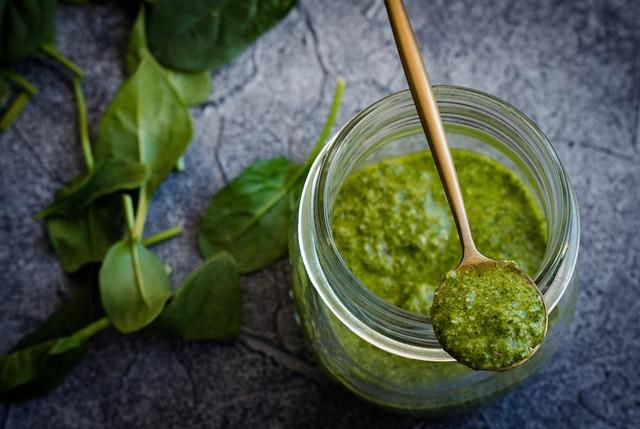
Transforming your seasonal bounty of ramps into pesto is a delightful way to enjoy their unique flavor year-round. This vibrant sauce not only captures the essence of spring but also serves as a versatile ingredient for various dishes. Here’s how to create a batch of ramp pesto that you can enjoy long after their peak season:
- Ingredients:
- 1 cup ramps, washed and trimmed
- 1/2 cup nuts (pine nuts, walnuts, or pistachios work well)
- 1/2 cup grated Parmesan cheese
- 1/2 cup olive oil
- Salt and pepper to taste
- Instructions:
- In a food processor, combine the ramps, nuts, and Parmesan cheese. Process until finely chopped.
- Slowly pour in the olive oil while the processor is running, blending until smooth. Adjust the consistency with more oil if desired.
- Season with salt and pepper, blending once more to incorporate.
For preservation, consider storing your ramp pesto in small jars. Fill them to the brim and pour a thin layer of olive oil on top before sealing. This acts as a protective barrier against oxidation. You can refrigerate it for up to a week or freeze it in ice cube trays for longer storage. Once frozen, transfer the cubes to a freezer bag for easy portioning throughout the year. This way, you can savor the taste of ramps in pasta, sandwiches, or drizzled over grilled meats during the colder months.
| Storage Method | Duration |
|---|---|
| Refrigerator | Up to 1 week |
| Freezer (in ice cube trays) | Up to 6 months |

Dehydrating Ramps: A Guide to Flavorful Dried Herb Use
Dehydrating ramps not only extends their shelf life but also intensifies their unique flavor, making them a fantastic addition to numerous dishes throughout the year. To successfully dry ramps, you can choose from a variety of methods, each offering slightly different results. Here’s how to get started:
- Air Drying: A low-cost method that works best in warm, dry climates. Simply tie the ramps in small bundles and hang them in a well-ventilated area, away from direct sunlight. In a week or two, they’ll be ready for storage.
- Oven Drying: Preheat your oven to the lowest setting (around 150°F or 65°C). Spread chopped ramps on a baking sheet and let them dry for several hours, checking frequently to avoid burning. Once they crumble easily, they’re done.
- Dehydrator: If you have a dehydrator, this is often the most efficient method. Set the temperature to about 125°F (52°C) and let the ramps dry until they’re crisp, usually 6-8 hours.
Once your ramps are dried, proper storage is key to maintaining their rich flavor. Keep them in airtight containers, away from light and moisture. Here’s a simple guideline for rehydrating and using your dried ramps:
| Dried Ramp Use | Rehydration Method | Suggested Dishes |
|---|---|---|
| Seasoning | Soak in warm water for 10-15 minutes | Soups, sauces, and dressings |
| Instant Cooking | Add directly to dishes | Stir-fries, risottos, and frittatas |
| Garnishing | No need to rehydrate | Salads and finishing touches on various dishes |
Utilizing dried ramps in your cooking not only adds depth of flavor but also connects you to the vibrant tradition of foraging and preserving nature’s bounty. Enjoy experimenting with these zesty greens in your seasonal recipes!
Creative Recipes to Use Your Preserved Ramps
Now that you’ve successfully preserved those delightful ramps, it’s time to unleash their unique flavor in various dishes. Here are a few creative ideas to incorporate them into your meals:
- Ramp Pesto: Blend preserved ramps with fresh basil, nuts, Parmesan cheese, olive oil, and a splash of lemon juice for a vibrant green pesto that can elevate pasta, sandwiches, or as a dip.
- Ramp and Potato Soup: Sauté preserved ramps with onion, add diced potatoes and broth, then simmer until tender. Purée for a creamy texture, garnished with fresh herbs.
- Ramps and Goat Cheese Tart: Use a pre-made pastry crust, fill it with a mixture of chopped preserved ramps, crumbled goat cheese, eggs, and cream. Bake until set for a savory tart perfect for brunch.
- Ramp-infused Butter: Soften butter and mix in finely chopped preserved ramps, then refrigerate. Use this flavored butter on grilled meats, vegetables, or even as a spread for crusty bread.
For a fun, gourmet twist, try creating a Ramp Risotto. Gently sauté preserved ramps in olive oil, then stir in Arborio rice, gradually adding warm vegetable or chicken broth until creamy. Finish with Parmesan cheese and fresh herbs for a dish that sings with flavor.
Here’s a simple table to help you pair your ramp dishes with the perfect sides:
| Dishes | Suggested Pairings |
|---|---|
| Ramp Pesto | Grilled Shrimp, Crostini |
| Ramp and Potato Soup | Crusty Bread, Salad |
| Ramps and Goat Cheese Tart | Mixed Greens, White Wine |
| Ramp-infused Butter | Steak, Asparagus |
| Ramp Risotto | Roasted Chicken, Parmesan Crisp |

Storing Your Preserved Ramps: Best Practices for Longevity
To ensure your preserved ramps retain their vibrant flavor and nutritional benefits, proper storage is crucial. Here are some best practices to extend their shelf life and maintain quality:
- Cool, Dark Place: Always store your preserved ramps in a cool, dark environment. A pantry or a cellar is ideal, as temperatures between 50°F and 60°F work best.
- Airtight Containers: Use airtight containers to prevent moisture and air exposure. Glass jars or vacuum-sealed bags are perfect choices to maintain freshness.
- Check for Spoilage: Regularly inspect your ramps. If you notice any off smells, discoloration, or mold, discard them immediately to avoid contamination.
- Label and Date: Clearly label your containers with the date of preservation. This allows you to keep track of their freshness and ensures you use them within an appropriate timeframe.
For longer storage periods, consider freezing your preserved ramps. Here’s a quick comparison of storage methods:
| Method | Expected Longevity | Pros | Cons |
|---|---|---|---|
| Airtight Containers | 1-2 years | Retains flavor and texture | Requires careful monitoring |
| Refrigeration | 6-12 months | Easy access; ready to use | Limited time before spoilage |
| Freezing | Up to 2 years | Long-term preservation | Texture may change when thawed |
By following these storage methods, you can savor the unique taste of ramps long after their foraging season has ended, ready to elevate your culinary creations whenever you desire!
FAQ
Q&A: How to Preserve Ramps: Foraged Delights
Q1: What exactly are ramps, and why are they so special?
A1: Ramps are a wild onion, scientifically known as Allium tricoccum, native to North America. They have a distinctive garlicky-onion flavor and are prized for their vibrant, green leaves and aromatic bulbs. Ramps are typically foraged in the spring and are celebrated for their unique taste and culinary versatility. Their short growing season makes them a coveted delicacy among chefs and food enthusiasts alike.
Q2: When is the best time to forage for ramps?
A2: The prime time for ramp foraging is usually from late March to early June, depending on your geographical location. Look for them in rich, moist forests where the soil is loamy and shaded. As the leaves start to unfurl in early spring, that’s your cue to go ramp hunting!
Q3: What’s the best way to preserve ramps after foraging?
A3: There are several effective methods to preserve ramps that can maintain their flavor and texture. Here are a few popular techniques:
-
Freezing: Clean the ramps thoroughly, chop them as you prefer, and blanch them for about 2 minutes. Then, transfer them to an ice bath to stop the cooking process. Once cool, drain and pack them in airtight bags or containers before freezing. This method retains their flavor nicely.
-
Pickling: For a tangy twist, consider pickling ramps! Prepare a simple pickling solution with vinegar, water, sugar, and salt. Pack cleaned ramps in sterilized jars, pour the hot pickling solution over them, and seal. They make for a delightful condiment!
-
Infusing Oils: You can also create a flavorful ramp-infused oil. Simply blend ramps with high-quality olive oil and strain the mixture for a vibrant addition to dressings or marinades. Remember to refrigerate it and use it within a few weeks.
Q4: Can I dry ramps for preservation?
A4: Absolutely! Drying is another great way to preserve ramps. You can air-dry them in a dry, well-ventilated area or use a dehydrator. Once fully dried, store them in an airtight container away from light. Dried ramps can be used as a seasoning or added to soups and sauces for a delicious flavor boost.
Q5: How should I store preserved ramps to keep them fresh?
A5: Proper storage depends on your preservation method. For frozen ramps, ensure they are sealed tightly to avoid freezer burn. Pickled ramps should be kept in the refrigerator, and they often taste even better after a week as the flavors meld. For dried ramps, store them in a cool, dark place in a sealed container to maintain their potency.
Q6: What are some creative ways to use preserved ramps in cooking?
A6: Preserved ramps are incredibly versatile! You can incorporate frozen ramps into stir-fries, soups, or pasta dishes. Pickled ramps make a remarkable topping for tacos, burgers, or charcuterie boards. Dried ramps can be used to flavor sauces, dressings, or sprinkle over roasted vegetables for an extra kick. The possibilities are endless!
Q7: Are there any sustainability practices I should consider while foraging for ramps?
A7: Yes! When foraging for ramps, it’s essential to practice sustainability. Only harvest a small portion of the ramp population in an area to ensure they can continue to thrive. Some experts recommend taking only 10-20% of what you find. Always be aware of local foraging regulations and respect the environment by minimizing disturbance to the ecosystem.
By preserving ramps, you can enjoy this delicious wild onion long after the spring season fades. Happy foraging!
In Conclusion
As you embark on your journey to preserve the vibrant flavors of ramps, remember that each method you choose will enhance your culinary experience, whether it’s through pickling, freezing, or creating delicious sauces. The key lies in using fresh, high-quality ramps and experimenting with different techniques to find what delights your palate the most. Embrace the versatility of this wild treasure, and don’t hesitate to share your preserved creations with friends and family! By taking the time to preserve these foraged delights, you’re not just savoring their unique taste year-round; you’re also connecting to nature and honoring the seasonal rhythm of the land. Happy foraging, and enjoy your ramp-filled adventures!