How to Preserve Trees: Essential Tips for Tree Health
Ever glance at a towering oak or a majestic maple and think, “Wow, I really should do something about that”? Well, you’re not alone! Trees are nature’s silent guardians, providing us with shade, oxygen, and a front-row seat to the wonders of seasonal change. But let’s face it—just like our beloved houseplants that seem to thrive better under our neighbor’s care, trees need a little TLC too. In this article, we’ll dive into the art of tree preservation with essential tips that will keep your leafy friends healthier than ever—no green thumb required! So, grab your gardening gloves, a sense of humor, and prepare to become the superhero trees never knew they needed. Your forest will thank you!

Article Contents
- Understanding the Importance of Tree Preservation
- Identifying Common Threats to Tree Health
- Essential Soil Care Practices for Thriving Trees
- Watering Techniques: Keeping Your Trees Hydrated
- Pruning Strategies for Optimal Growth and Shape
- Fighting Pests and Diseases: Prevention and Treatment
- The Role of Mulching in Tree Health Maintenance
- Creating a Supportive Environment for Urban Trees
- Frequently asked questions
- In Conclusion
Understanding the Importance of Tree Preservation
The role of trees in our ecosystem is invaluable, influencing everything from local climate conditions to biodiversity. **Preserving trees** is not just an act of environmental stewardship; it’s a commitment to our planet’s health and our own well-being. Trees help filter air pollutants, sequester carbon, and provide habitats for countless species. Moreover, they contribute to soil health and play a crucial role in the water cycle.
Here are some key reasons why tree preservation matters:
- Climate Regulation: Trees absorb carbon dioxide, helping to mitigate climate change.
- Air Quality Improvement: They trap dust, pollen, and smoke, enhancing the air we breathe.
- Shade and Cooling: Urban trees provide respite from heat, reducing energy costs associated with air conditioning.
- Habitat Creation: Mature trees support wildlife, fostering biodiversity.
Understanding the importance of trees lays the foundation for effective preservation practices. By valuing their ecological services, we can take actionable steps to protect these vital resources and ensure they thrive for generations to come.

Identifying Common Threats to Tree Health
The vitality of trees is often threatened by various environmental factors and biological agents. Recognizing these common threats is the first step toward effective tree preservation. Here are some of the most prevalent issues that can compromise tree health:
- Pests: Insects like aphids, beetles, and caterpillars can cause significant damage by feeding on foliage and bark.
- Diseases: Fungal infections such as root rot and leaf blight can weaken trees, making them susceptible to secondary problems.
- Environmental Stress: Factors like drought, excessive moisture, and pollution can impair a tree’s ability to thrive.
- Soil Compaction: Heavy foot traffic or machinery can compact soil, restricting airflow to tree roots and suffocating them.
- Poor Pruning Practices: Incorrect pruning techniques can lead to injuries and stress, increasing vulnerability to disease.
To illustrate these threats visually, here’s a brief table summarizing the main issues and their effects:
| Threat | Effect on Trees |
|---|---|
| Pests | Leaf loss, bark damage |
| Diseases | Decay, weakened structure |
| Environmental Stress | Stunted growth, mortality |
| Soil Compaction | Poor root development |
| Poor Pruning | Increased disease susceptibility |

Essential Soil Care Practices for Thriving Trees
Healthy soil is the foundation for vibrant tree growth and long-term sustainability. To ensure that your trees thrive, consider implementing these essential soil care practices:
- Pmulching: Applying a layer of organic mulch around the base of your trees helps retain soil moisture, regulate temperature, and suppress weed growth. It gradually enriches the soil as it breaks down.
- Regular Aeration: Soil compaction can hinder root development, so aerate the soil periodically to improve air circulation and water penetration.
- Soil Testing: Conduct regular soil tests to monitor pH levels and nutrient content. Adjustments, such as adding lime or sulfur, can help create the ideal environment for tree growth.
- Natural Fertilization: Instead of chemical fertilizers, use organic options like compost or well-rotted manure to provide essential nutrients while improving soil structure.
- Water Management: Implement a deep watering schedule to promote healthy root systems. Avoid overwatering, as it can lead to root rot and other diseases.
Consider monitoring the moisture levels of your soil to determine the best care practices. Here’s a simple table for quick reference:
| Moisture Condition | Action |
|---|---|
| Dry | Water deeply and check drainage |
| Moist | Continue regular care; monitor |
| Saturated | Aerate soil and reduce watering |
By following these practices, you will foster a thriving ecosystem for your trees, allowing them to grow strong, healthy, and resilient against pests and environmental stressors.

Watering Techniques: Keeping Your Trees Hydrated
When it comes to ensuring the health and longevity of your trees, proper watering techniques play a crucial role. Trees, much like humans, thrive when they receive the right amount of water at the right time. Here are some effective methods to keep your trees well-hydrated:
- Deep Watering: Watering deeply encourages root growth. Aim to soak the soil at least 12 to 18 inches deep, allowing water to reach the root system efficiently.
- Use of Mulch: Applying a layer of organic mulch around the base of the tree helps retain moisture, reduces soil erosion, and prevents weeds, which can compete for water.
- Drip Irrigation Systems: Consider installing a drip irrigation system that delivers water directly to the roots. This method minimizes water waste and ensures the tree receives consistent moisture without over-saturation.
- Timing is Key: Watering early in the morning or late in the evening reduces evaporation and ensures your trees absorb as much moisture as possible.
It’s also essential to monitor your trees for signs of water stress, such as wilting leaves or poor growth. Keep an eye on weather conditions and adjust your watering schedule accordingly. Regularly checking soil moisture can help you determine if your trees need additional water. A simple soil probe can be an effective tool to gauge how deep the moisture reached after watering.
| Watering Technique | Advantages |
|---|---|
| Deep Watering | Encourages deeper root growth |
| Mulching | Helps retain moisture and reduce weeds |
| Drip Irrigation | Efficient and reduces water waste |
| Proper Timing | Minimizes evaporation losses |
Pruning Strategies for Optimal Growth and Shape
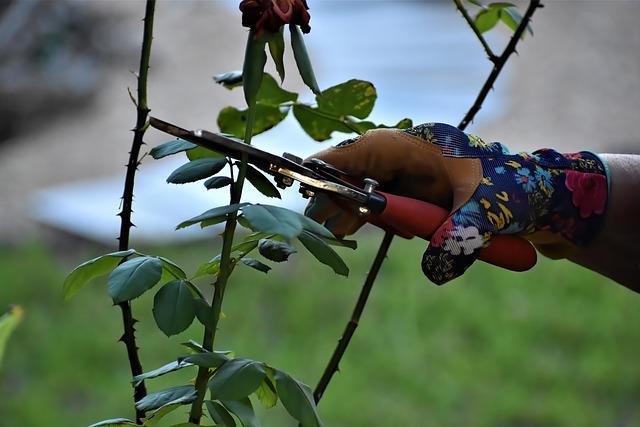
Pruning is a vital practice that directly influences the well-being and aesthetics of your trees. By implementing effective pruning strategies, you can promote optimal growth while managing the shape and structure of your trees. Here are some fundamental techniques to consider:
- Thinning: This involves removing selected branches throughout the tree to improve air circulation and light penetration. It helps reduce excessive density and supports healthier foliage.
- Heading: Cutting back the tips of branches can encourage bushier growth. This technique is beneficial for trees that need to be contained or for stimulating new shoots.
- Deadwooding: Regularly removing dead, damaged, or diseased branches not only enhances the tree’s appearance but also prevents the spread of pathogens.
Timing and technique are crucial. The best period for pruning typically falls during the dormant season in late winter or early spring when the tree is least stressed. Using clean, sharp tools ensures that cuts are clean, reducing the risk of infections.
| Pruning Type | Ideal For | Season |
|---|---|---|
| Thinning | Improving air circulation | Late winter |
| Heading | Encouraging bushier growth | Spring after frost |
| Deadwooding | Maintaining health | Anytime |

Fighting Pests and Diseases: Prevention and Treatment
Preventing pests and diseases is crucial in maintaining the health of your trees. A proactive approach can make all the difference. Start by ensuring that your trees are properly nourished and watered, as healthy trees are less susceptible to infestations. Consider implementing the following preventive measures:
- Regular Inspections: Routinely check your trees for early signs of pests or disease, such as discoloration, unusual growths, or wilting leaves.
- Mulching: Apply a layer of mulch around the base to retain moisture and deter weeds, which can harbor pests.
- Cleanliness: Keep the area around your trees free of debris and fallen fruit which can attract pests.
When prevention fails, understanding treatment options becomes vital. Depending on the issue, treatment might include organic solutions or professional interventions. Here’s a quick guide to common treatments:
| Pest/Disease | Treatment | Notes |
|---|---|---|
| Spider Mites | Insecticidal soap or neem oil | Apply during early morning or late evening. |
| Powdery Mildew | Fungicide or baking soda mixture | Ensure good air circulation. |
| Aphids | Natural predators (ladybugs) or insecticidal soap | Avoid using harsher chemicals that harm beneficial insects. |
Always read labels and follow instructions carefully when applying any treatments to ensure the safety of your trees and surrounding environment. Keeping your trees healthy and protected requires diligence, but the reward is a vibrant and thriving landscape.

The Role of Mulching in Tree Health Maintenance
Mulching is a simple yet powerful practice that can significantly enhance the health and longevity of your trees. Covering the soil around a tree with organic or inorganic materials serves multiple purposes that directly contribute to its well-being. By creating an environment that retains moisture, mulch minimizes the need for frequent watering. This not only conserves water but ensures that the tree’s roots receive a steady supply of hydration throughout the growing season.
In addition to moisture retention, mulch provides essential benefits that help protect your trees from temperature fluctuations. As the mulch warms in the sun, it helps keep the soil temperature stable, promoting healthy root development. Furthermore, it acts as a natural barrier against weeds, which can compete for nutrients and water. Proper mulching techniques can ensure that your trees thrive:
- Use organic materials: Shredded bark, wood chips, or shredded leaves decompose over time, enriching the soil.
- Avoid piling too high: Keep the mulch layer about 2-4 inches thick to ensure proper airflow around the roots.
- Replenish regularly: As organic mulch decomposes, regularly adding fresh material maintains its effectiveness.
The advantages of mulching extend beyond immediate aesthetics and convenience. A well-mulched area supports biodiversity, creating a habitat for beneficial organisms such as earthworms and beneficial insects. This natural cycle helps keep your trees resilient against pests and diseases, thereby bolstering their overall health. In essence, incorporating mulching into your tree care routine is not merely a maintenance task; it’s a proactive strategy for nurturing a healthier ecosystem.

Creating a Supportive Environment for Urban Trees
Creating a vibrant and thriving urban ecosystem begins with the well-being of our trees. These remarkable organisms provide essential benefits, from improving air quality to enhancing property values. However, managing urban trees requires a concerted effort to create an environment that supports their growth and longevity. Here are some crucial considerations:
- Soil Health: Urban soils are often compacted and poorly drained. Regularly aerate the soil and incorporate organic matter to improve its structure and fertility.
- Water Management: Trees need a consistent moisture supply. Implementing a rain garden or using permeable materials for paving can help retain water while preventing runoff.
- Species Selection: Choose tree species that are well-suited to your region’s climate and soil conditions. Native trees are often more resilient and beneficial to local wildlife.
- Mulching: Applying a layer of mulch around the base of the tree helps retain moisture, suppress weeds, and regulate soil temperature.
Furthermore, fostering community involvement is crucial for tree preservation. Engaging local residents and organizations can lead to greater awareness and stewardship. Regular tree care workshops and volunteer planting days can instill a sense of ownership and responsibility toward urban greenery.
| Tree Benefit | Description |
|---|---|
| Air Quality | Trees absorb CO2 and release oxygen, improving overall air quality. |
| Shade | They provide critical shade, reducing urban heat and cooling energy costs. |
| Biodiversity | Support local wildlife habitats and create vibrant ecosystems. |
| Stormwater Management | Help absorb rainwater, reducing flooding and erosion. |
Frequently asked questions
Q&A: How to Preserve Trees – Essential Tips for Tree Health
Q: Why is preserving trees important for our environment?
A: Trees play a crucial role in maintaining ecological balance. They provide oxygen, improve air quality, support wildlife habitats, and help combat climate change by absorbing carbon dioxide. Moreover, they enhance our landscapes and can even increase property values. Preserving trees is vital for maintaining these benefits for future generations.
Q: What are some common threats to tree health?
A: Trees face numerous threats, including pests, diseases, environmental changes, and poor maintenance practices. Invasive species, extreme weather events, and urban development can also negatively impact their health and longevity.
Q: How can I assess the health of my trees?
A: Start by examining both the leaves and bark. Look for signs of discoloration, wilting, or unusual growth patterns. Check for pests or fungal growth and inspect the root system, if possible. If you notice any significant changes or damage, it’s a good idea to consult an arborist for a professional assessment.
Q: What routine maintenance should I perform to keep my trees healthy?
A: Regular maintenance is key! Pruning is essential for removing dead or diseased branches and improving air circulation. Mulching around the base helps retain moisture and suppress weeds. Also, make sure your trees receive adequate water, especially during dry spells, and apply fertilizer if the soil lacks nutrients.
Q: How can I protect my trees from pests and diseases?
A: Integrated Pest Management (IPM) is an effective strategy. Start with preventative measures like maintaining tree health, encouraging beneficial insects, and properly identifying any potential pest threats. If pests or diseases do appear, you might consider organic treatments or insecticidal soaps, but make sure to apply them responsibly and as a last resort.
Q: Is there a specific time of year that’s best for tree care?
A: Generally, late winter to early spring is ideal for pruning because trees are typically dormant. This minimizes stress and allows them to recover quickly. Fall is another good time for planting new trees, as it gives them time to establish roots before winter. Always check specifics for your region, as local climate can influence the best care schedule.
Q: Can I do anything to support tree growth in urban environments?
A: Absolutely! In urban areas, trees often face restricted root spaces and pollution. Providing them with ample space, choosing native species suited to your area, and ensuring they have access to enough water can significantly enhance their growth and resilience. Furthermore, involving your community in tree-planting initiatives can raise awareness and bolster urban tree canopies.
Q: What resources are available for those looking to learn more about tree preservation?
A: Plenty of resources exist! Organizations like the Arbor Day Foundation and local cooperative extension services provide comprehensive guides on tree care. Additionally, attending workshops and following reputable online platforms can help you stay informed about best practices and new research in arboriculture.
Q: How can I encourage others to take part in tree preservation?
A: Start by sharing your knowledge! Host community events, start discussions on social media, or even volunteer with local tree advocacy groups. Educate your friends and family about the benefits of trees and the small steps they can take to contribute. Collective action is essential—when more people get involved, we can make a more significant impact on our environment!
In Conclusion
As we reach the end of our journey through the essential tips for preserving tree health, remember that every small action counts. Trees provide us with countless benefits, from cleaner air to enhanced beauty in our landscapes. By implementing these strategies, you’re not just caring for a tree; you’re investing in a healthier environment for future generations. So, grab your gardening gloves, connect with nature, and take pride in becoming a steward of these magnificent living beings. Together, let’s nurture our trees and ensure they thrive for years to come!