Is Ginger Tea Good for Colds? Natural Remedies
When the sniffles and sneezes strike, the quest for relief often begins. Enter ginger tea—the zesty hero of the herbal world! But is ginger tea really good for colds, or is it just a spicy ruse? In a world where natural remedies abound, this age-old brew stands out like a warm hug on a frosty day. Packed with antioxidants and the fierceness of ginger, this steaming cup not only boosts your immune system but might just kick those pesky cold symptoms to the curb. So, grab your favorite mug and prepare for a cozy journey through the benefits of ginger tea—it’s time to find out if this golden elixir is your new best friend in the battle against colds!
Article Contents
- Benefits of Ginger Tea for Immune Support
- Understanding the Anti-inflammatory Properties of Ginger
- How Ginger Tea Can Soothe Cold Symptoms
- Best Practices for Brewing Ginger Tea at Home
- Complementary Natural Remedies to Enhance Recovery
- Potential Side Effects and Precautions When Using Ginger
- When to Consult a Healthcare Professional for Cold Symptoms
- Frequently Asked Questions
- Key Takeaways
Benefits of Ginger Tea for Immune Support
Ginger tea is renowned for its numerous health benefits, particularly its ability to bolster the immune system. This warm, spicy beverage possesses natural compounds that can help fend off illnesses and promote overall wellness. Some of the key advantages of ginger tea for immune support include:
- Anti-Inflammatory Properties: Ginger contains gingerol, a potent anti-inflammatory and antioxidant compound that helps reduce inflammation in the body, enhancing your immunity.
- Rich in Antioxidants: The antioxidants in ginger protect your cells from damage and help combat oxidative stress, which is crucial for maintaining a strong immune system.
- Warmth and Comfort: Consuming ginger tea can help soothe sore throats and alleviate respiratory issues, making it beneficial when you have the sniffles.
- Digestive Aid: A healthy gut is vital for a robust immune system. Ginger enhances digestion and helps balance gut flora, further supporting immune functions.
Moreover, the act of sipping warm ginger tea can be incredibly soothing when you’re feeling under the weather. To get the most out of your ginger tea, consider adding a splash of honey or a squeeze of lemon, which not only enhances the flavor but also provides additional immune-boosting properties.
Understanding the Anti-inflammatory Properties of Ginger
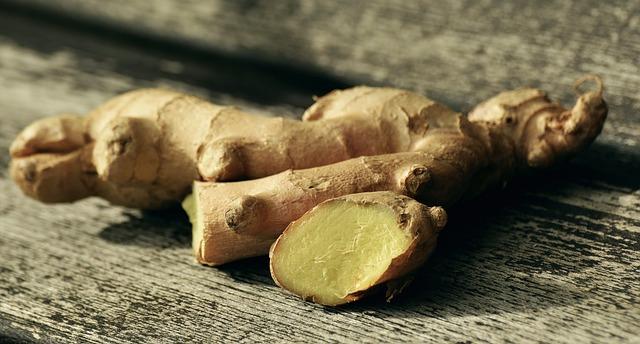
Ginger has long been celebrated for its remarkable health benefits, particularly its ability to combat inflammation. This potent rhizome contains several bioactive compounds, including gingerol and shogaol, which are responsible for its therapeutic properties. These compounds not only contribute to ginger’s distinctive flavor but also play a significant role in supporting the body’s natural defenses against inflammation and illness.
When considering the anti-inflammatory benefits of ginger, it’s essential to note:
- Reduction of Inflammatory Markers: Studies have shown that ginger can lower key inflammatory markers in the body, helping to alleviate symptoms related to chronic conditions.
- Immune System Support: Ginger’s antioxidant properties support overall immune function, making it an excellent natural remedy during cold and flu season.
- Digestive Health: Ginger aids in digestion and can help soothe gastrointestinal inflammation, leading to improved overall well-being.
By incorporating ginger into your diet, especially in the form of ginger tea, you can harness these anti-inflammatory benefits while enjoying a warm, soothing beverage. The simple act of steeping fresh ginger in hot water not only creates a comforting drink but also serves as a natural remedy that may help ease cold symptoms and support your body’s recovery.
How Ginger Tea Can Soothe Cold Symptoms
Ginger tea has long been a cherished remedy for easing the discomfort that comes with cold symptoms. Its natural properties can provide relief in several ways:
- Anti-inflammatory effects: Ginger contains gingerol, which has potent anti-inflammatory properties. This can help reduce throat inflammation, alleviating soreness and irritation.
- Warmth and comfort: The warmth of ginger tea can enhance circulation and provide a soothing sensation. This comforting effect can be particularly beneficial when you’re feeling chilly due to a cold.
- Immune support: Ginger is known to have immune-boosting qualities. Regular consumption may help your body fend off colds more effectively and shorten their duration when they strike.
- Nausea relief: Many people experience nausea along with cold symptoms. Ginger has been traditionally used to combat nausea, making ginger tea a dual-purpose remedy.
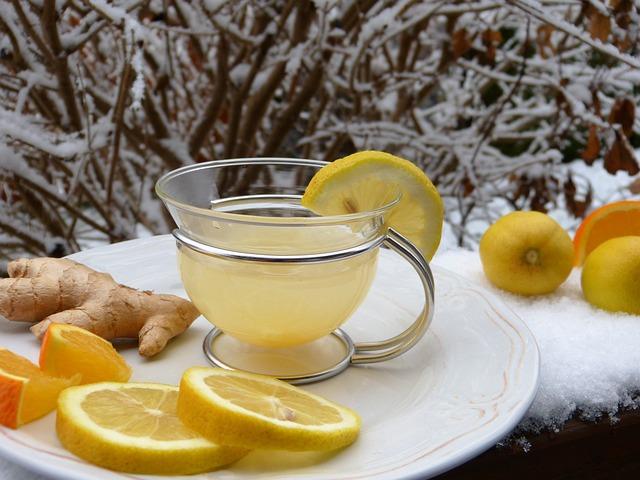
To maximize the benefits of ginger tea, consider adding ingredients like honey and lemon. Both can enhance the flavor while providing additional soothing properties:
| Ingredient | Benefits |
|---|---|
| Honey | Antiseptic qualities that can help soothe irritated throats and enhance overall wellness. |
| Lemon | High in vitamin C, which can strengthen the immune system and fight off colds. |
Add these ingredients to your ginger tea, and you have not just a delicious beverage but a powerful ally against cold symptoms. With its unique combination of warmth, flavor, and health benefits, ginger tea can serve as a gentle yet effective remedy during those pesky cold seasons.
Best Practices for Brewing Ginger Tea at Home
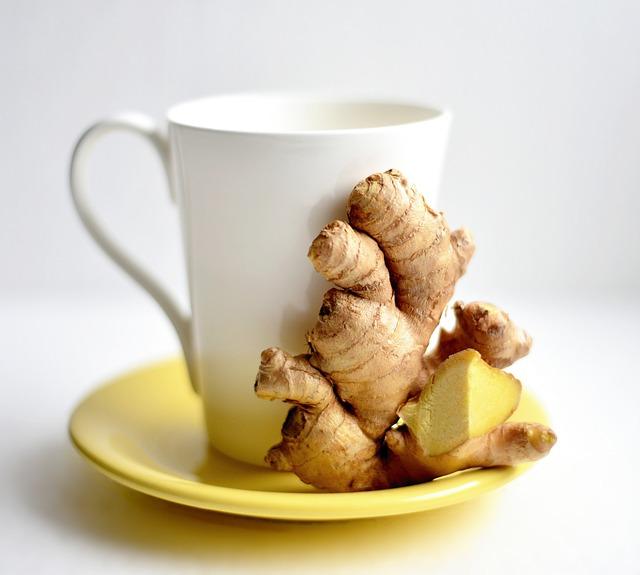
Brewing the perfect cup of ginger tea doesn’t have to be complicated. Start with **fresh ginger** for the best flavor and health benefits. Here’s how to ensure your tea is both delicious and effective:
- **Choose the Right Ginger**: Use young ginger for a milder taste and older ginger for a spicier punch.
- **Peel and Slice**: Peel the ginger root prior to slicing it into thin pieces to maximize the extraction of flavor and nutrients.
- **Control the Steeping Time**: Let your ginger steep in hot water for at least **10–15 minutes**. Longer steeping enhances the spiciness but may also increase the overall bitterness.
- **Additions for Taste**: Consider adding **honey**, **lemon**, or **cinnamon** to complement the flavor and enhance health benefits. Honey boosts immunity, while lemon adds vitamin C.
Don’t forget to adjust the strength to your liking! If you prefer a milder brew, reduce the amount of ginger or steeping time. Remember, the right balance is key to enjoying ginger tea while reaping its potential cold-fighting properties.

Complementary Natural Remedies to Enhance Recovery
While ginger tea is a fantastic support during a cold, there are several other natural remedies that can complement your recovery efforts. These remedies can help alleviate symptoms, boost your immune system, and promote overall wellness.
- Honey: Known for its soothing properties, honey can relieve sore throats and act as a natural cough suppressant. Mix it with warm water or herbal teas for added benefits.
- Lemon: Rich in vitamin C, lemon may help strengthen your immune response. Adding freshly squeezed lemon juice to ginger tea not only enhances the flavor but also augments its health properties.
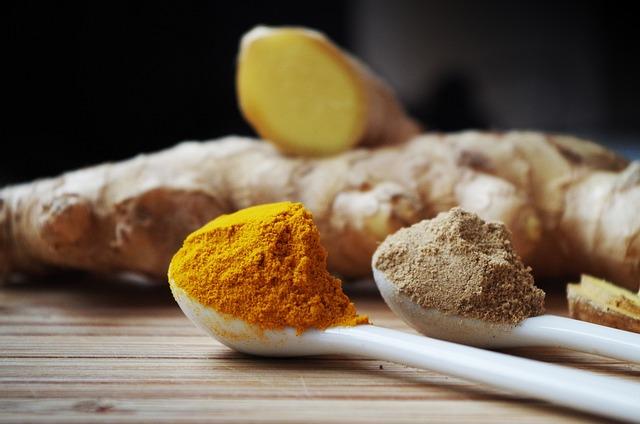
- Turmeric: This golden spice possesses anti-inflammatory and antioxidant properties. Incorporating turmeric into your diet can assist with reducing inflammation and supporting your body’s healing processes.
Consider also these herbal concoctions that can enhance your recovery:
| Herb | Benefits |
|---|---|
| Thyme | Antimicrobial properties; helps to ease coughs and congestion. |
| Elderberry | Rich in antioxidants; may reduce the duration and severity of colds. |
| Peppermint | Soothes headaches; its menthol content can relieve nasal congestion. |
Incorporating these remedies into your routine not only supports recovery but also promotes overall well-being. Each of these natural options plays a vital role in maintaining health, especially during cold and flu season.
Potential Side Effects and Precautions When Using Ginger
While ginger tea is widely celebrated for its health benefits, particularly when combating colds, it is essential to be aware of potential side effects and precautions. Consuming ginger in moderate amounts is generally safe for most individuals, but excessive intake can lead to some adverse effects. Here are a few things to keep in mind:
- Digestive Issues: Some people may experience stomach upset, gas, or diarrhea when consuming large quantities of ginger.
- Allergic Reactions: Although rare, ginger can cause allergic reactions in some individuals, resulting in symptoms like rash, itching, or swelling.
- Interactions with Medications: Ginger may interact with certain medications, including anticoagulants, blood pressure medications, and diabetes drugs. Consult your healthcare provider if you are on any of these treatments.
Additionally, pregnant and breastfeeding women should exercise caution when consuming ginger. While small amounts are generally considered safe, it’s advisable to consult with a healthcare professional to determine appropriate quantities. For those with gallbladder issues or any form of hormonal conditions, seeking medical advice before indulging in ginger products is prudent.
| Consideration | Recommendation |
|---|---|
| Daily Ginger Intake | Limit to 4 grams or less |
| Pregnancy | Consult healthcare provider |
| Medications | Discuss with your doctor |
By remaining informed and cautious, you can enjoy the soothing qualities of ginger tea while minimizing any potential risks to your health.

When to Consult a Healthcare Professional for Cold Symptoms
While natural remedies like ginger tea can be soothing for cold symptoms, there are times when it’s essential to seek the advice of a healthcare professional. If you experience any of the following, consider consulting a doctor:
- Persistent High Fever: If your temperature rises above 101.5°F (38.6°C) and lasts more than a few days.
- Worsening Symptoms: If your cold symptoms seem to be getting worse instead of improving after a week.
- Shortness of Breath: If you find it difficult to breathe, which could signal a more serious respiratory issue.
- Severe Headache: If you develop debilitating headaches, particularly if accompanied by other symptoms.
- Chest Pain: If you experience persistent or severe pain in your chest, seek immediate medical attention.
In addition, if you have underlying health conditions such as asthma or diabetes, it’s wise to reach out to your healthcare provider at the first signs of a cold. Early intervention can prevent complications and often results in quicker recovery.
Frequently Asked Questions
Q&A: Is Ginger Tea Good for Colds? Natural Remedies
Q1: What makes ginger tea a popular choice for colds?
A1: Ginger tea has been a popular remedy for colds for centuries. Its anti-inflammatory and antioxidant properties can help soothe sore throats and reduce symptoms like coughing. Ginger is also known to boost the immune system and improve circulation, which may aid in faster recovery. Plus, it has a warm, comforting quality that many people find soothing when they’re feeling under the weather.
Q2: How does ginger work in the body during a cold?
A2: When you have a cold, your body is fighting off an infection, and ginger can help with this process. It contains compounds like gingerol and shogaol, which have anti-inflammatory and antimicrobial qualities. These properties can help alleviate congestion and soothe irritated airways, making it easier to breathe. Additionally, since ginger can help with nausea, it’s a great option if you’re experiencing stomach discomfort alongside your cold symptoms.
Q3: Are there any specific ways to prepare ginger tea for maximum benefits?
A3: Absolutely! To make an effective ginger tea, start with fresh ginger root. Peel and slice about one to two inches of ginger and add it to boiling water. Let it steep for about 10-15 minutes. You can enhance the flavor and benefits by adding honey for sweetness and lemon for vitamin C. Honey has its own soothing properties, while lemon can provide a refreshing zing and aid hydration.
Q4: Can everyone drink ginger tea, or are there any precautions?
A4: While ginger tea is generally safe for most people, some should take precautions. If you’re pregnant or nursing, it’s a good idea to consult with a healthcare provider before consuming large amounts of ginger. Additionally, those with certain health conditions, like gallstones or a bleeding disorder, should also check in with a doctor, as ginger can affect blood clotting and bile production. As with any remedy, moderation is key!
Q5: How does ginger tea compare to other natural remedies for colds?
A5: Ginger tea is just one of many natural remedies for colds. Other effective remedies include peppermint tea, echinacea, and honey. Each has its own unique benefits; for instance, peppermint tea can help with sinus congestion, while echinacea may enhance your immune response. Ginger tea stands out due to its warming effects and versatility, making it a cozy option for colds or flu-like symptoms.
Q6: Can ginger tea replace conventional medicine when you’re sick?
A6: While ginger tea can be a helpful natural remedy to alleviate cold symptoms and support recovery, it should not replace conventional medicine, especially if your symptoms are severe or persist. It’s essential to listen to your body and seek medical advice if you have concerns, especially if you develop a high fever, difficulty breathing, or other serious symptoms. Ginger tea is best used as a complementary approach to overall wellness.
Q7: How often can I drink ginger tea while I have a cold?
A7: You can drink ginger tea several times a day while you’re dealing with a cold, especially if you find it helps. However, it’s best to start with 1-2 cups daily and see how your body responds. Since ginger is potent, too much can lead to digestive discomfort in some people. Always listen to your body and adjust accordingly.
Conclusion:
Incorporating ginger tea into your wellness routine can be a soothing and effective way to manage cold symptoms. Its natural properties not only provide relief but also promote overall health. Just remember to consult with your healthcare provider if you have any specific health concerns or conditions. Enjoy your cup of ginger tea and take care!
Key Takeaways
ginger tea stands out as a comforting ally in the battle against colds. With its antioxidant properties, anti-inflammatory benefits, and ability to soothe sore throats, it’s no wonder that this warming brew has been cherished in natural medicine for centuries. While it may not be a cure-all, incorporating ginger tea into your wellness routine can offer relief and support your immune system during those chilly months. So, the next time you feel a cold coming on, consider brewing yourself a cup of ginger tea and embrace the natural remedy that has stood the test of time. Cheers to your health!