Is Spearmint Essential Oil Safe for Dogs? Safety Insights
Have you ever caught a whiff of spearmint and thought to yourself, “Wow, I could really freshen up my pup’s life with this zesty scent”? Well, hold your horses (or should we say, hold your hounds!) because before you go pouring essential oils into their doggy beds or mixing them into their treats, let’s dive into the safety waters of spearmint oil for dogs. In this article, we’ll unravel whether this delightful aroma is dog-approved or if it’s just another case of a curious human getting a little too carried away. Think of it as a fun yet informative adventure in canine care—because when it comes to our furry friends, it’s always better to be safe than sorry (or minty fresh in this case!). Join us as we explore the ins and outs of spearmint essential oil and its safety for your four-legged companion!
Article Contents
- Understanding Spearmint Essential Oil and Its Properties
- The Potential Benefits of Spearmint for Dogs
- Safety Concerns: Is Spearmint Essential Oil Toxic to Dogs?
- How to Properly Use Spearmint Essential Oil Around Pets
- Signs of Adverse Reactions in Dogs
- Recommendations for Pet Owners Considering Spearmint Oil
- Consulting Your Veterinarian: When in Doubt
- Alternative Essential Oils That Are Safe for Dogs
- FAQ
- Key Takeaways
Understanding Spearmint Essential Oil and Its Properties
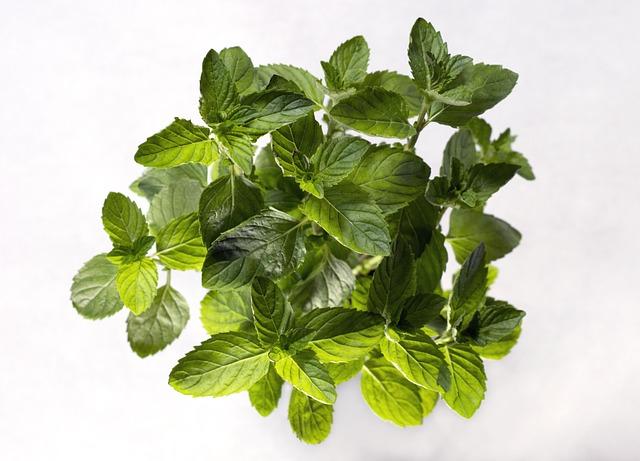
Spearmint essential oil, derived from the leaves of the *Mentha spicata* plant, is cherished not only for its refreshing aroma but also for its numerous therapeutic properties. This oil is known for its **antimicrobial**, **antispasmodic**, and **anti-inflammatory** characteristics, making it a popular choice in both aromatherapy and natural remedies. The soothing scent of spearmint can promote a calm environment, enhancing relaxation and mental clarity.
When contemplating the safety of spearmint essential oil for dogs, it’s crucial to understand its diluted concentration and method of application. Essential oils can vary significantly in potency; hence, it’s advised to:
- **Always dilute** the oil properly before use.
- **Conduct a patch test** to observe any adverse reactions.
- **Avoid ingestion** or applying it to sensitive areas, such as the nose or eyes.
- **Consult a veterinarian**, especially if your dog has pre-existing health conditions.
Here’s a quick summary of the key points regarding spearmint essential oil:
| Property | Effect on Dogs |
|---|---|
| Antimicrobial | May help combat infection |
| Calming | Can promote relaxation |
| Digestive Aid | Potentially soothes upset stomachs |
Understanding these properties helps in making informed decisions when considering the use of spearmint essential oil around your canine companion. With proper care and precautions, this versatile oil may enhance not only your well-being but also that of your four-legged friend.

The Potential Benefits of Spearmint for Dogs
Spearmint, a delightful aromatic herb, is not only a favorite in culinary uses but also offers potential benefits for our canine companions. When used appropriately, spearmint can contribute to improving your dog’s well-being in various ways:
- Freshening Breath: Just like with humans, spearmint can help combat foul odors and promote fresher breath in dogs. Its antibacterial properties assist in reducing plaque buildup, leading to healthier gums and teeth.
- Digestive Aid: Spearmint may aid in digestion and help alleviate mild gastrointestinal discomfort. It can soothe stomach upsets and bloating, thanks to its natural calming effect on the digestive tract.
- Soothing Effects: Some dog owners have noted that spearmint oil can provide a calming effect during stressful situations, such as thunderstorms or fireworks, helping to ease anxiety.
In addition, a recent study highlighted that spearmint contains antioxidants that can play a role in supporting overall health. By incorporating spearmint into your dog’s care regimen, you may enhance their quality of life, provided you do so in moderation and with proper guidance from a veterinary professional.
Safety Concerns: Is Spearmint Essential Oil Toxic to Dogs?
When considering the safety of spearmint essential oil for dogs, it’s essential to understand that while many essential oils have therapeutic benefits, they can also pose risks to our furry companions. **Spearmint essential oil contains certain compounds** that may lead to toxic reactions in dogs if ingested or applied topically in concentrated forms. It’s crucial to recognize the signs of sensitivity or toxicity, which can include:
- Vomiting
- Diarrhea
- Difficulty breathing
- Excessive drooling
Moreover, the specific reactions can vary by breed, size, and individual health circumstances. **To ensure the safety of your pet**, it’s advisable to consult with a veterinarian before using spearmint essential oil in environments where dogs are present. Alternatively, consider using **diluted and properly formulated products** designed specifically for pets, which ensure a safer experience.
| Usage | Consideration |
|---|---|
| Diffusion | Use cautiously and monitor your dog closely. |
| Topical | Avoid undiluted oils; opt for pet-safe formulations. |
| Ingestion | Keep away from areas accessible to dogs and avoid oral use. |

How to Properly Use Spearmint Essential Oil Around Pets
Using spearmint essential oil around pets requires careful consideration to ensure their safety and well-being. Here are some essential guidelines to follow:
- Ventilation is Key: Always ensure that the area is well-ventilated when using spearmint essential oil. Open windows or use diffusers that allow for air circulation to avoid overwhelming your pet with concentrated scents.
- Dilution Matters: If applying topically, dilute spearmint essential oil with a carrier oil like coconut or jojoba oil. A recommended ratio is one drop of essential oil to at least 5 drops of carrier oil to minimize any potential irritation.
- Avoid Direct Contact: Do not apply essential oils directly on your pet’s skin without consulting a veterinarian. It’s best to keep topical applications to areas they cannot reach, as pets often lick and can ingest substances applied to their skin.
Before using spearmint essential oil around your pets, consider the following:
| Consideration | Recommended Action |
|---|---|
| Pet Type | Consult with a vet for species-specific advice. |
| Age | Use caution with puppies and elderly pets. |
| Health Conditions | Assess any existing health issues with a professional. |
By following these guidelines, you can safely incorporate spearmint essential oil into your home while ensuring your pets remain healthy and happy. Always prioritize their comfort and safety above all.

Signs of Adverse Reactions in Dogs
When considering the use of spearmint essential oil around your dog, it is crucial to monitor them for any adverse reactions. While essential oils can offer benefits, they can also cause unwanted effects, especially in sensitive animals. Here are some signs to watch for:
- Excessive drooling: If your dog is salivating more than usual, it could indicate discomfort or toxicity.
- Vomiting or diarrhea: Gastrointestinal upset is a common reaction that should not be ignored.
- Skin irritation: Look for redness, itching, or rash at the site of application or on any area your dog may have come into contact with the oil.
- Respiratory issues: Labored breathing, coughing, or wheezing may suggest an allergic reaction or sensitivity to the oil.
- Behavioral changes: Any sudden changes in behavior, such as increased aggression or lethargy, may signal discomfort or distress.
If you observe any of these signs, it’s important to stop using spearmint essential oil immediately and consult your veterinarian. Monitoring your dog’s reaction is essential for their safety and well-being. As a precaution, always dilute essential oils properly and introduce them gradually, allowing your pet to acclimate to the new scent safely.

Recommendations for Pet Owners Considering Spearmint Oil
When considering the use of spearmint oil around dogs, pet owners should prioritize safety and awareness. Here are several key points to keep in mind:
- Consult a Veterinarian: Before introducing any essential oil, it’s essential to discuss it with your veterinarian, especially if your dog has underlying health issues or is pregnant.
- Use in Moderation: If you choose to use spearmint oil, remember that less is more. Avoid direct application on your pet’s skin and opt for diluted versions instead.
- Monitor Reactions: Pay close attention to your dog’s behavior. If you notice any signs of discomfort, such as excessive scratching, lethargy, or difficulty breathing, discontinue use immediately and consult a vet.
- Proper Diffusion: When diffusing the oil in your home, ensure that the space is well-ventilated and that your pet can leave the area if they feel uncomfortable with the scent.
Always store essential oils securely, out of reach of pets, to prevent accidental ingestion. Here’s a quick reference guide:
| Aspect | Recommendation |
|---|---|
| Application Method | Diffusion or diluted topical use |
| Safety Precautions | Veterinarian consultation & monitoring |
| Symptoms to Watch For | Allergic reactions, lethargy, respiratory issues |

Consulting Your Veterinarian: When in Doubt
Consulting your veterinarian is a crucial step when considering incorporating any essential oil, including spearmint, into your dog’s routine. Your vet can provide personalized insights based on your dog’s health history and specific needs that might not be evident through general research. Here are a few reasons to reach out:
- Individual Health Considerations: Every dog has unique health conditions that may interact with essential oils differently. It’s essential to disclose any pre-existing conditions.
- Proper Dosage Guidance: Your veterinarian can recommend safe quantities if they determine spearmint essential oil is suitable for your dog, ensuring you avoid potential toxicity.
- Monitoring Reactions: Should you decide to proceed with using spearmint oil, a vet can advise on how to observe your dog for any adverse reactions or side effects.
Moreover, seeking professional advice can help you understand not just the benefits but also the risks associated with using essential oils on pets. It’s not uncommon for essential oils to irritate a dog’s skin or respiratory system, so having that dialogue with a veterinarian can be invaluable.
If your veterinarian has concerns about using spearmint oil, they can suggest alternative solutions or remedies that may be safer and just as effective for your dog’s needs.

Alternative Essential Oils That Are Safe for Dogs
When exploring aromatic options for your canine companion, it’s essential to consider alternatives to spearmint essential oil that can safely benefit your dog. Here’s a selection of essential oils considered to be safe and beneficial for dogs:
- Lavender Oil: Known for its calming properties, lavender can help soothe anxiety and promote relaxation. Its gentle aroma can create a peaceful environment for your furry friend.
- Frankincense Oil: This oil is often used for its anti-inflammatory and immune-boosting properties, making it a fantastic option for supporting your dog’s overall health.
- Cedarwood Oil: With its natural insect-repelling qualities, cedarwood not only helps to keep pests away but also promotes a sense of calm for dogs that may feel anxious during storms or fireworks.
- Chamomile Oil: This gentle oil is excellent for promoting relaxation and can be helpful for dogs that suffer from digestive issues or mild skin irritations.
To enhance understanding of the safety and benefits of these oils, we can compare their key characteristics in the table below:
| Essential Oil | Primary Benefit | Safe for Dogs? |
|---|---|---|
| Lavender | Calms anxiety | Yes |
| Frankincense | Supports immune health | Yes |
| Cedarwood | Repels insects | Yes |
| Chamomile | Promotes relaxation | Yes |
When considering essential oils for your dogs, always proceed with caution and consult a veterinarian to ensure the best choices for your pet’s safety and well-being.
FAQ
Q&A: Is Spearmint Essential Oil Safe for Dogs? Safety Insights
Q1: What is spearmint essential oil, and what are its uses?
A1: Spearmint essential oil is derived from the leaves of the spearmint plant, known scientifically as Mentha spicata. This oil is often used in aromatherapy for its refreshing scent and potential benefits, such as stress relief and digestion support in humans. Additionally, spearmint is commonly found in a variety of products including toothpaste, candies, and even some topical applications.
Q2: Can I use spearmint essential oil around my dog?
A2: While spearmint essential oil can have beneficial properties for humans, caution is necessary when it comes to pets, particularly dogs. In small amounts, spearmint may not pose an immediate threat, but it’s always best to consult with your veterinarian before introducing any essential oil into your home or pet’s environment. Dogs have sensitive systems, and what is safe for us might not be safe for them.
Q3: Why should I be cautious about using spearmint essential oil around dogs?
A3: Dogs can be sensitive to essential oils due to their heightened sense of smell and the unique way their bodies metabolize compounds. Spearmint oil can lead to gastrointestinal upset, lethargy, or allergic reactions in some dogs. Additionally, essential oils can irritate a dog’s skin or respiratory system if not used properly. Thus, proper dilution and usage are crucial if you choose to use it.
Q4: What are the signs of a negative reaction to spearmint essential oil in dogs?
A4: Signs that your dog may be having a negative reaction to spearmint essential oil include excessive drooling, vomiting, diarrhea, difficulty breathing, or skin irritations. If you notice any of these symptoms, it’s important to remove your dog from the environment where the oil was used and consult your veterinarian immediately.
Q5: Are there safer alternatives to spearmint essential oil for dogs?
A5: Yes! If you’re looking for safe alternatives to freshen your home or promote relaxation, consider using dog-specific products formulated with safe ingredients. Some dog-safe essential oils, like lavender and chamomile, are often recommended for their calming effects. However, it’s always essential to verify the safety of any product or oil with your veterinarian before use.
Q6: What should I do if I want to explore using essential oils in my home with dogs?
A6: If you’re interested in using essential oils in a dog-friendly environment, first consult with a veterinarian well-versed in essential oil safety for pets. They can provide guidance on safe options and proper dilutions. Always ensure there is good ventilation, observe your dog’s behavior, and start with small amounts to gauge their reaction.
Q7: Can spearmint essential oil benefit dogs in any way?
A7: While spearmint essential oil might offer some benefits, such as potentially aiding in digestion, it’s not widely recommended due to the risks involved. There are other herbal options, like peppermint, that are sometimes used with dogs for similar effects, but again, consulting a vet before introducing them is crucial. Exploring safe alternatives designed specifically for dog use will often yield better results without the associated risks of essential oils.
Conclusion:
To sum it up, while spearmint essential oil can be delightful for humans, it’s essential to prioritize your dog’s safety. Consulting with a veterinarian before using any essential oils is the best way to ensure your furry friend stays happy and healthy. Always err on the side of caution—your dog’s wellbeing comes first!
Key Takeaways
while spearmint essential oil has several potential benefits, it’s crucial to approach its use around dogs with caution. Always consult your veterinarian before introducing any new essential oils into your pet’s environment to ensure their safety and well-being. By understanding the limitations and effects of spearmint oil, you can make informed decisions that keep your furry friend happy and healthy. Remember, when it comes to our pets, it’s better to err on the side of safety. Your dog’s health should always come first!