Are you tired of feeling like you’re breathing through a straw? Wondering what herbs are good for clearing lungs and helping you breathe easier? Well, grab your herbal tea and take a deep breath, because this article is your ticket to a lung reset! From the spicy goodness of ginger to the refreshing embrace of peppermint, nature’s little green miracles are ready to step in and rescue your airways. Say goodbye to wheezing and coughing and hello to smooth, trouble-free breathing! Join us as we explore which herbs can ease your respiratory woes and keep you feeling light as a feather. Let’s dive into the world of herbal remedies that will help your lungs sing and your spirit soar!
Article Contents
- Overview of Lung Health and the Importance of Herbs
- Key Medicinal Herbs for Lung Support
- How Mullein Leaves Contribute to Respiratory Wellness
- Thyme: A Potent Ally for Clearing Airways
- The Role of Peppermint in Easing Breathing Difficulties
- Harnessing the Power of Eucalyptus for Lung Cleansing
- Integrating Herbs into Your Daily Routine for Better Breathing
- Precautions and Tips for Using Herbs Safely and Effectively
- FAQ
- Insights and Conclusions
Overview of Lung Health and the Importance of Herbs
Lung health is crucial for overall well-being, affecting everything from physical activity to mental clarity. The lungs play a vital role in gas exchange, ensuring our bodies receive oxygen and expel carbon dioxide. However, environmental pollutants, allergens, and lifestyle choices can negatively impact lung efficiency. This is where the wisdom of nature comes into play; certain herbs are not only beneficial for our lung function but can also serve as natural remedies to support respiratory health.
Herbs have been utilized for centuries in traditional medicine, celebrated for their diverse healing properties. When focusing on enhancing lung function, some herbs stand out due to their specific actions—acting as expectorants, anti-inflammatory agents, or bronchodilators. They can help clear mucus, soothe irritated tissues, and improve airflow. Here are a few key herbs that are particularly good for lung health:
- Eucalyptus: Known for its ability to open airways and reduce congestion.
- Peppermint: Contains menthol, which can help relax the muscles of the respiratory tract.
- Thyme: Acts as a natural antiseptic and can help combat respiratory infections.
- Licorice Root: Soothes the throat and reduces irritation in the respiratory system.
- Oregano: Has antimicrobial properties that can support lung health.
Incorporating these herbs into your daily routine can be a simple yet effective way to promote lung function and overall respiratory health. Whether through herbal teas, essential oils, or supplements, unlocking the benefits of these natural remedies can make your breath easier and your lungs stronger.

Key Medicinal Herbs for Lung Support
Exploring the world of herbal remedies can unveil an array of options specifically targeted for supporting lung health. Many time-tested herbs possess properties that can help clear the airways, boost respiratory function, and enhance overall lung capacity. Here are some of the most effective options:
- Thyme – Rich in thymol, this herb acts as a natural expectorant, helping to loosen phlegm and clear congestion.
- Eucalyptus – Known for its soothing aroma, eucalyptus oil is often used in steam inhalation to relieve cough and respiratory tract issues.
- Oregano – With its strong antimicrobial properties, oregano can help combat respiratory infections and promote a healthier lung environment.
- Licorice Root – This herb not only helps soothe irritated tissues but also has expectorant properties that facilitate the removal of mucus.
- Lobelia – Often referred to as a lung herb, lobelia is traditionally used to support respiratory function and is thought to help with asthma symptoms.
In addition to these herbs, incorporating a blend can amplify their effects. Consider this simple table to understand some popular combinations and their benefits:
| Herb Blend | Primary Benefit |
|---|---|
| Thyme & Eucalyptus | Clears congestion and soothes respiratory passages |
| Licorice & Lobelia | Supports lung function and calms coughs |
| Oregano & Thyme | Boosts immune function and clears mucus |
Making herbal infusions, teas, or using essential oils are simple ways to incorporate these powerful remedies into your routine. Embracing these natural solutions can help you breathe easier and support your lung health efficiently.

How Mullein Leaves Contribute to Respiratory Wellness
Mullein leaves have long been celebrated in traditional herbal medicine for their remarkable ability to support respiratory health. Rich in saponins and flavonoids, these leaves are believed to promote the expulsion of mucus, easing congestion and facilitating clearer airways. When brewed into a tea or used as a tincture, mullein can help soothe irritated membranes in the lungs and throat, providing a gentle yet effective remedy for respiratory discomfort.
In addition to their mucolytic properties, mullein leaves exhibit anti-inflammatory characteristics. This quality can help reduce the swelling in the airways, making breathing more comfortable, especially for those suffering from conditions like bronchitis or asthma. Furthermore, the antimicrobial compounds present in mullein may assist in warding off respiratory infections, enhancing overall lung function and resilience.
Here are some key benefits of incorporating mullein leaves into your wellness routine:
- Expectorant Action: Aids in the natural expulsion of mucus.
- Soothing Properties: Calms irritation in the respiratory tract.
- Supports Immune Function: Helps prevent respiratory infections.
- Ease of Use: Can be consumed as a tea, tincture, or capsule.
Pairing mullein leaves with other herbs, such as thyme and licorice root, can create powerful respiratory blends that enhance their effects. Explore these combinations to find the perfect herbal allies that support your lungs and promote easier breathing.
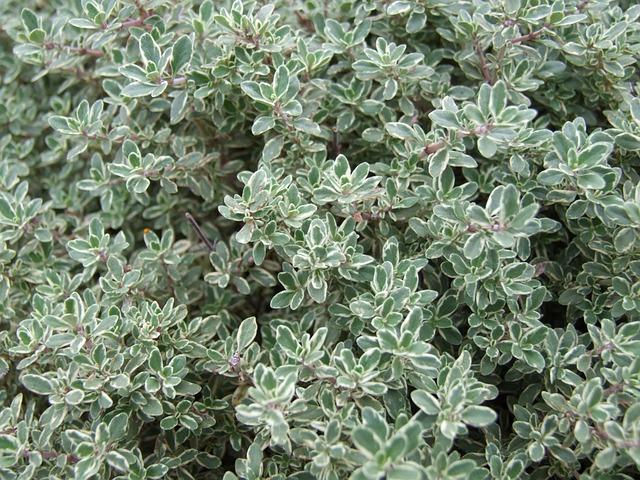
Thyme: A Potent Ally for Clearing Airways
Thyme is not just a culinary favorite; it’s also a powerful herb known for its medicinal properties, especially when it comes to respiratory health. This aromatic herb contains compounds that can help relieve congestion and soothe the airways, making it an ideal ally for anyone looking to clear their lungs.
One of the key components of thyme is thymol, a natural antiseptic that acts as an expectorant. This means it helps loosen mucus, making it easier to expel from the respiratory system. Additionally, thyme’s anti-inflammatory properties can reduce irritation in the throat, helping to alleviate coughs and improve overall air flow. For optimal benefits, you can try incorporating thyme into your diet through:
- Thyme tea: Steep fresh or dried thyme leaves in hot water for a soothing drink.
- Thyme-infused oil: Use as a natural remedy for steam inhalation.
- Cooking: Add fresh thyme to soups, stews, and roasted dishes for added flavor and health benefits.
Whether you enjoy it as a culinary herb or use it for its medicinal properties, thyme is a versatile addition to any wellness routine aimed at enhancing respiratory health.
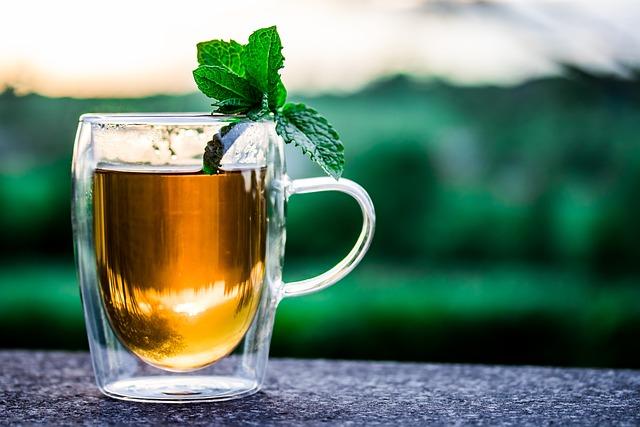
The Role of Peppermint in Easing Breathing Difficulties
Peppermint is a powerful herb known for its soothing properties that can significantly assist in easing breathing difficulties. The primary active component, menthol, works as a natural decongestant that helps open up airways, making it easier to breathe. By relaxing the muscles of the respiratory tract, peppermint can provide relief from coughing and discomfort associated with colds or allergies.
Incorporating peppermint into your daily routine can be done in various ways, making it accessible for everyone. Here are some simple methods to harness its benefits:
- Tea: Brew peppermint leaves in hot water to create a calming tea.
- Essential Oil: Inhale peppermint essential oil directly or use it in a diffuser.
- Steam Inhalation: Add peppermint oil to hot water and inhale the steam to clear congestion.
Additionally, peppermint’s cooling effect can provide a soothing sensation, which is especially beneficial for those experiencing breathlessness. Its anti-inflammatory properties may also reduce swelling in the respiratory tract, contributing to an overall sense of ease when breathing. To better understand how peppermint compares with other herbs, here’s a quick overview of its unique properties:
| Herb | Main Benefit | Usage |
|---|---|---|
| Peppermint | Decongestant, calming | Tea, oil, steam |
| Eucalyptus | Clears airways | Inhalation, oil |
| Thyme | Antimicrobial, supports cough relief | Tea, tincture |

Harnessing the Power of Eucalyptus for Lung Cleansing
Eucalyptus has long been celebrated for its soothing and healing properties, particularly when it comes to respiratory health. Its primary active compound, **eucalyptol**, is known for its ability to help clear mucus from the lungs and sinuses. This makes eucalyptus not just a pleasant aroma in essential oils, but a powerful ally in promoting lung health.
When considering how to incorporate eucalyptus into your routine, here are a few methods worth exploring:
- Steam Inhalation: Add a few drops of eucalyptus oil to a bowl of hot water, place a towel over your head, and inhale deeply. This method provides immediate relief and can help clear congestion.
- Diffusing: Use a diffuser to disperse eucalyptus oil into the air, helping to reduce inflammation and promote easier breathing throughout the day.
- Herbal Teas: Some herbal teas incorporate eucalyptus leaf, offering a calming drink that supports lung function. Look for blends specifically designed for respiratory health.
In addition to its respiratory benefits, eucalyptus also possesses antimicrobial properties, which may help combat airborne pathogens. Regular incorporation can enhance not just lung function, but overall well-being—making it a valuable herb for those seeking to breathe easier.

Integrating Herbs into Your Daily Routine for Better Breathing
Incorporating herbs into your daily routine can significantly enhance your respiratory health and contribute to clearer lungs. Here are some effective strategies to seamlessly blend them into your life:
- Herbal Teas: Start your day with a warm cup of thyme or peppermint tea. Both herbs are renowned for their decongestant and expectorant properties, helping to clear mucus and reduce inflammation in the respiratory tract.
- Cooking: Add herbs like rosemary or oregano to your meals. Not only do they add flavor, but they also contain antioxidants that can protect lung tissues from damage.
- Steam Inhalation: Incorporate eucalyptus oil in a bowl of hot water for inhalation. The steam, combined with the antimicrobial properties of eucalyptus, can help soothe and unclog air passages.
The following table summarizes some key herbs and their benefits for lung health:
| Herb | Benefits |
|---|---|
| Thyme | Acts as an expectorant and helps with cough relief. |
| Peppermint | Provides cooling relief to inflamed respiratory passages. |
| Eucalyptus | Promotes easier breathing by clearing airways. |
| Ginger | Reduces inflammation and enhances overall lung function. |
By consciously infusing these herbal remedies into your routine, you can harness their natural properties to support your lung health and improve your breathing experience.

Precautions and Tips for Using Herbs Safely and Effectively
When utilizing herbs to support lung health, it’s essential to approach them with care and knowledge. Here are some key precautions to keep in mind:
- Consult a Healthcare Professional: Before starting any herbal regimen, especially if you have pre-existing health conditions or are pregnant, seek advice from a qualified healthcare provider.
- Research Individual Herbs: Not all herbs are suitable for everyone. Investigate their potential effects, interactions with medications, and any possible side effects.
- Start Slowly: Introduce herbs one at a time and monitor your body’s response. This allows for better identification of effective herbs and any adverse reactions.
To maximize the benefits of herbs for lung health, consider the following tips:
- Choose Quality Products: Opt for organic or sustainably sourced herbs from reputable suppliers to reduce the risk of contamination and ensure potency.
- Follow Recommended Dosages: Adhere to dosage guidelines to avoid overconsumption, which can lead to unintended side effects.
- Incorporate Multiple Methods: Experiment with various forms such as teas, tinctures, or capsules to find the method that works best for you.
| Herb | Benefits for Lung Health |
|---|---|
| Thyme | Antimicrobial properties, helps clear mucus |
| Oregano | Supports respiratory function, rich in antioxidants |
| Licorice Root | Soothes irritated lungs, anti-inflammatory effects |
FAQ
Q&A: What Herbs Are Good for Clearing Lungs? Breathe Easier
Q: What are some herbs that can help clear the lungs?
A: Several herbs have been found to promote lung health and assist in clearing mucus. Some of the most notable ones include:
-
Thyme: Known for its antiseptic and antibacterial properties, thyme can help relieve coughs and is often used in herbal teas for respiratory health.
-
Mullein: This herb has a long history of use in traditional medicine for its soothing effects on the lungs. Mullein can help ease coughs and is known for its expectorant qualities, helping to expel mucus.
-
Peppermint: Its menthol content provides a cooling effect and can help relax the muscles of the respiratory tract, making breathing easier. Peppermint tea or inhaling steam infused with peppermint oil can be beneficial.
-
Eucalyptus: Often used in aromatherapy, eucalyptus oil can help open airways and has anti-inflammatory properties that may help clear mucus.
-
Oregano: Recognized for its antimicrobial properties, oregano oil can support overall respiratory health and help combat infections.
Q: How do these herbs work to clear the lungs?
A: Each of these herbs works in different ways to support lung health. For example, expectorants like thyme and mullein help loosen mucus so it can be expelled more easily. Herbs like peppermint and eucalyptus can act as bronchodilators, meaning they help open the airways for improved airflow. Additionally, the anti-inflammatory properties of some herbs can reduce swelling in the bronchial tubes, making breathing easier.
Q: Are there any specific preparations or dosages for these herbs?
A: The way you use these herbs can vary. For herbal teas, steeping dried leaves—like thyme or mullein—in hot water for 10-15 minutes is common. For essential oils, adding a few drops of eucalyptus or peppermint oil to a diffuser or a steam inhalation session can be effective. It’s essential to follow recommended dosages, which can typically be found on herbal product labels or through reputable herbal medicine sources.
If you’re considering supplements or essential oils, consult with a healthcare professional for personalized advice, especially if you have pre-existing conditions or are pregnant.
Q: Can I combine these herbs, and are there any risks?
A: Yes, many people create herbal blends for enhanced benefits! For instance, mixing thyme and peppermint in a tea can provide both soothing and refreshing effects. However, it’s crucial to ensure that you’re not allergic to any of the herbs you choose. While generally safe, some herbs can interact with medications or exacerbate certain health conditions. It’s always best to consult with a healthcare provider, particularly if you’re taking other medications.
Q: Besides herbs, are there lifestyle changes I can make to support lung health?
A: Absolutely! Lifestyle changes play a significant role in respiratory health. Here are some tips to consider:
- Stay Hydrated: Drinking plenty of water helps thin mucus, making it easier to expel.
- Avoid Allergens and Irritants: Reducing exposure to smoke, pollutants, and allergens can significantly benefit your lungs.
- Exercise Regularly: Physical activity can help improve lung capacity and overall respiratory function.
- Practice Deep Breathing: Techniques like diaphragmatic breathing or yoga can promote better oxygen flow and lung expansion.
Q: When should I seek professional help regarding lung issues?
A: If you experience persistent symptoms such as chronic cough, wheezing, shortness of breath, or chest pain, it’s important to consult a healthcare professional. They can provide comprehensive evaluations and guide you on the best treatment options, which may include herbal remedies alongside conventional medicine.
Conclusion:
Incorporating herbs into your routine can be a wonderful way to support your lung health naturally. From soothing teas to refreshing essential oils, these herbal allies can help you breathe easier. Just remember to listen to your body and consult a healthcare professional if you have any concerns!
Insights and Conclusions
Incorporating the right herbs into your routine can be a game changer for lung health, helping you breathe easier and feel more vibrant. Whether you’re sipping on soothing herbal teas or using essential oils, these natural remedies offer a gentle yet effective way to support your respiratory system. Remember, it’s always best to consult with a healthcare professional before starting any new supplement regimen. By taking proactive steps with these herbs, you can enhance your lung function and enjoy a clearer, more refreshing breath of life. So, go ahead—explore the world of herbal wellness, and let nature help you thrive!