What Herbs Are Good for Hair Growth: Natural Solutions
Tired of playing the guessing game with your hair growth routine? Frustrated by products that promise to turn you into a hair model overnight but instead leave you looking like a molting chicken? Fear not! In this article, we’re setting the record straight on what herbs are good for hair growth. Nature has equipped us with a treasure trove of herbal heroes ready to revive your locks and boost your confidence without breaking the bank. So, grab your favorite cup of herbal tea, sit back, and let’s uncover those natural solutions that will have your hair thriving—no magic potions or incantations required! Whether you’re seeking long, luscious strands or just trying to fend off the dreaded thinning, we’ve got the answers wrapped in humor and sprinkled with wisdom. Get ready to embrace your inner herbal enthusiast!

Article Contents
- Understanding the Role of Herbs in Hair Growth
- Top Herbs for Stimulating Hair Follicles
- Harnessing the Power of Rosemary for Hair Health
- Nourishing with Peppermint: A Refreshing Boost for Scalp
- Using Aloe Vera for Hydration and Strength
- Exploring the Benefits of Saw Palmetto for Thinning Hair
- Creating Your Own Herbal Infusions for Hair Treatment
- Incorporating Herbs into Your Hair Care Routine
- Enhance Your Hair Care with Nature’s Powerhouses
- Frequently Asked Questions
- The Conclusion
Understanding the Role of Herbs in Hair Growth
Herbs have been celebrated for their medicinal properties for centuries, and their impact on hair growth is no exception. Natural remedies derived from plants offer a multitude of benefits, acting not only to nourish the scalp but also to strengthen hair follicles, encouraging thicker and healthier growth. Among the plethora of herbs, certain varieties stand out due to their effectiveness in promoting hair vitality.
- Rosemary: Known for its ability to improve blood circulation to the scalp, rosemary enhances hair growth while potentially preventing premature graying.
- Peppermint: Infused with menthol, peppermint oil boosts circulation and creates a cooling effect, fostering an environment conducive to hair growth.
- Burdock Root: Rich in fatty acids and phytosterols, this herb helps to strengthen hair while treating scalp conditions that may inhibit growth.
- Nettle: Packed with vitamins A, C, and K, nettle nourishes both hair and scalp, combating hair loss and promoting thicker growth.
Incorporating these herbs into your hair care routine can be a game-changer. Whether through essential oils, teas, or hair masks, the right herbs can significantly enhance the health of your hair. Below is a simple overview of the benefits of each herb that can help you choose what might work best for you:
| Herb | Benefits |
|---|---|
| Rosemary | Improves circulation and prevents greying |
| Peppermint | Boosts circulation and creates a refreshing effect |
| Burdock Root | Strengthens hair and treats scalp conditions |
| Nettle | Nourishes scalp and combats hair loss |
Top Herbs for Stimulating Hair Follicles
When it comes to enhancing hair growth, certain herbs have gained recognition for their ability to stimulate hair follicles and encourage healthier, thicker hair. These natural solutions not only nourish the scalp but also promote blood circulation, which is essential for hair growth. Here are some of the most effective herbs known for their beneficial properties:
- Rosemary: Renowned for its invigorating scent, rosemary oil is often used as a natural remedy to improve scalp circulation. Applying it directly or mixing with a carrier oil can energize the hair follicles.
- Nettle: Rich in vitamins and minerals, nettle extract supports hair health by providing essential nutrients. Its anti-inflammatory properties can help combat dandruff and promote a healthy scalp environment.
- Horsetail: This herb is packed with silica, which strengthens hair and prevents breakage. Incorporating horsetail as a tea or in topical treatments can significantly enhance hair resilience.
- Lavender: Not only calming, but lavender also possesses antimicrobial properties that can help alleviate scalp issues. Its application may contribute to improved hair growth and overall scalp health.
- Fenugreek: Known for its probiotic properties, fenugreek seeds can strengthen the hair follicles, reducing shedding. They can be soaked, ground, and used as a paste to reap their benefits.
Incorporating these herbs into your hair care routine can lead to remarkable results. Whether used in oils, teas, or shampoos, each offers unique benefits that cater to different hair needs. Consider blending these herbs for a comprehensive approach to nourishing your hair from the roots.
Harnessing the Power of Rosemary for Hair Health
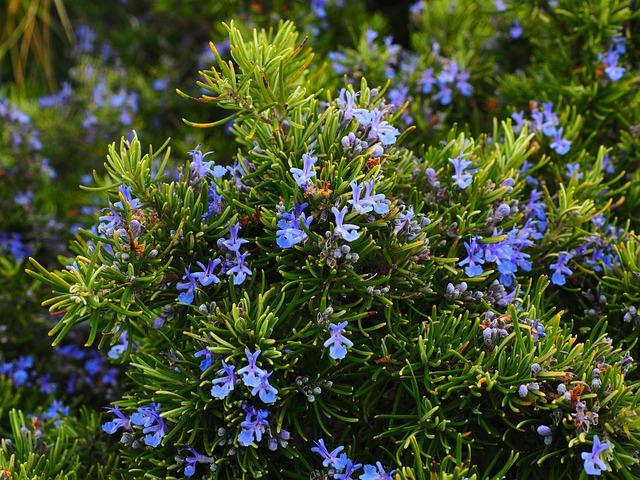
Rosemary is not just a delightful culinary herb; it also offers incredible benefits for hair health that dates back centuries. Known for its potent anti-inflammatory and antioxidant properties, rosemary can stimulate blood circulation to the scalp, which is essential for promoting hair growth. When the scalp receives adequate blood flow, hair follicles are nourished, leading to stronger and healthier strands.
Incorporating rosemary into your hair care routine can be done effortlessly through the following methods:
- Rosemary Oil Massage: Diluting a few drops of rosemary essential oil in a carrier oil, such as coconut or jojoba oil, and massaging it into the scalp can enhance absorption and provide nourishment.
- Herbal Rinse: Brew a strong infusion of rosemary leaves and allow it to cool. Use this rinse after shampooing to promote shine and manageability, while also aiding in hair growth.
- DIY Rosemary Hair Mask: Combine rosemary oil with other beneficial ingredients like honey and avocado for a nutrient-rich hair mask that can condition and revitalize your locks.
Additionally, research supports rosemary’s benefits. A study indicated that participants who used rosemary oil experienced a significant increase in hair growth compared to those using a minoxidil solution. This remarkable finding highlights rosemary’s potential as a natural solution for those seeking to improve their hair health.
Nourishing with Peppermint: A Refreshing Boost for Scalp
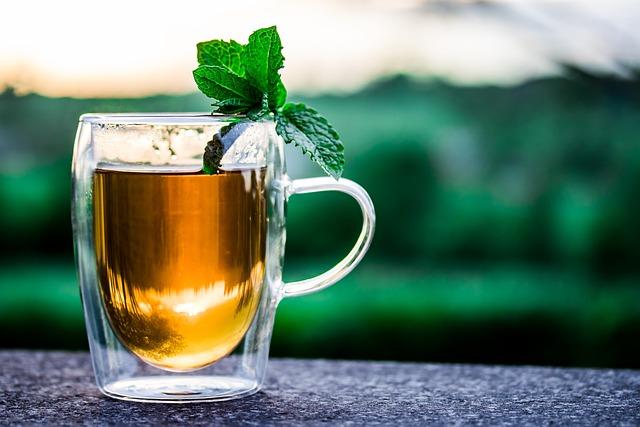
Peppermint is more than just a fragrant herb; it offers a powerful boost to scalp health, encouraging revitalization and growth. The invigorating scent of peppermint can instantly uplift your mood, while its properties work to stimulate blood circulation in the scalp, promoting healthier follicles. This enhanced flow of blood not only brings essential nutrients to hair roots but also helps in removing impurities, setting the stage for robust hair growth.
Incorporating peppermint into your hair care routine can be simple and enjoyable. Consider these methods:
- Peppermint Oil Massage: Dilute a few drops of peppermint essential oil with a carrier oil like jojoba or coconut oil. Massage it into your scalp for 10-15 minutes to enhance blood circulation.
- Peppermint Tea Rinse: Brew fresh peppermint tea and use it as a final rinse after shampooing. This not only invigorates the scalp but also leaves your hair smelling delightful.
- Peppermint-infused Shampoo: Look for shampoos that contain peppermint oil, or make your own by adding a few drops of essential oil to your regular shampoo.
To illustrate the benefits of peppermint for hair care, take a look at the following summary:
| Benefit | Description |
|---|---|
| Stimulates Circulation | Increases blood flow to the scalp, enhancing nutrient delivery to hair follicles. |
| Reduces Dandruff | Soothes scalp irritation and minimizes the presence of flakes. |
| Enhances Shine | Leaves hair looking healthier and shinier by improving overall scalp condition. |
This refreshing herb not only nourishes the scalp but also revitalizes your hair care routine with its vibrant energy and therapeutic qualities. Enjoy the rejuvenating effects of peppermint as a natural solution for improving hair growth and scalp health.
Using Aloe Vera for Hydration and Strength
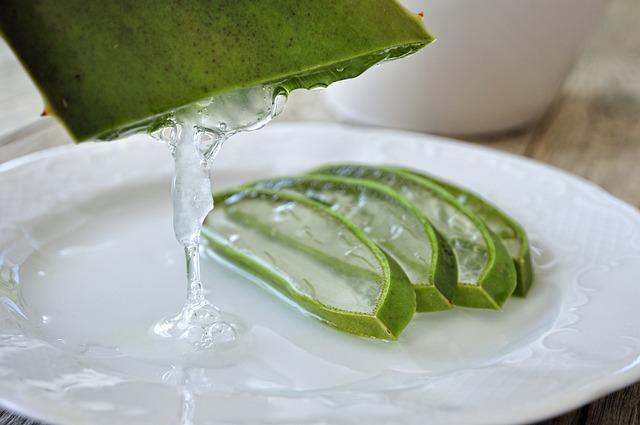
Aloe Vera is widely recognized for its soothing and healing properties, making it a standout option when it comes to maintaining healthy hair. Its high water content ensures optimal hydration, helping to combat dryness and brittleness that can lead to breakage.
Incorporating Aloe Vera into your hair care routine can bring various benefits:
- Deep Moisturization: The gel locks in moisture, providing your hair with the hydration it craves.
- Strengthening Properties: Rich in vitamins and minerals, Aloe Vera nourishes the hair shaft, promoting strength and elasticity.
- Scalp Health: Its antibacterial and antifungal properties help maintain a healthy scalp, reducing dandruff and irritation.
To reap these benefits, you can use Aloe Vera in several ways. Consider applying pure Aloe Vera gel directly to your hair and scalp as a mask, allowing it to penetrate for about 30 minutes before rinsing. Alternatively, look for shampoos and conditioners that list Aloe Vera as one of their primary ingredients to enjoy its advantages daily.
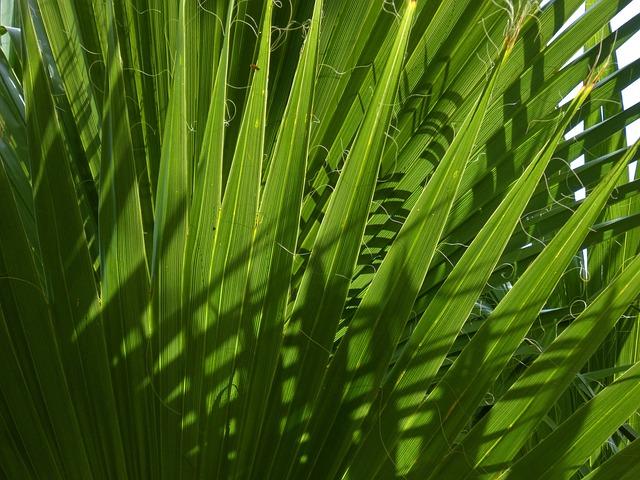
Exploring the Benefits of Saw Palmetto for Thinning Hair
Saw palmetto, a small palm tree native to the southeastern United States, has gained popularity in recent years for its potential benefits in promoting hair growth, particularly for those experiencing thinning hair. This herb is often used in supplements and topical formulas aimed at addressing hair loss, primarily due to its ability to inhibit the enzyme 5-alpha-reductase, which converts testosterone into dihydrotestosterone (DHT). Elevated levels of DHT are often linked to hair loss conditions such as androgenetic alopecia.
Incorporating saw palmetto into your hair care routine may present several advantages:
- DHT Reduction: By minimizing the levels of DHT, saw palmetto may help to slow down hair loss and promote the growth of healthier hair.
- Nutrient-Rich: Saw palmetto is packed with essential fatty acids and phytosterols that nourish hair follicles and support overall scalp health.
- Anti-inflammatory Properties: This herb contains anti-inflammatory compounds that may help soothe the scalp, reducing irritation and fostering an environment conducive to hair growth.
The effects of saw palmetto on hair growth have been supported by several studies, albeit more research is needed to establish definitive conclusions. However, its popularity continues to grow, and many individuals have reported positive outcomes. It’s worth considering saw palmetto as a part of your natural strategy for combating thinning hair.
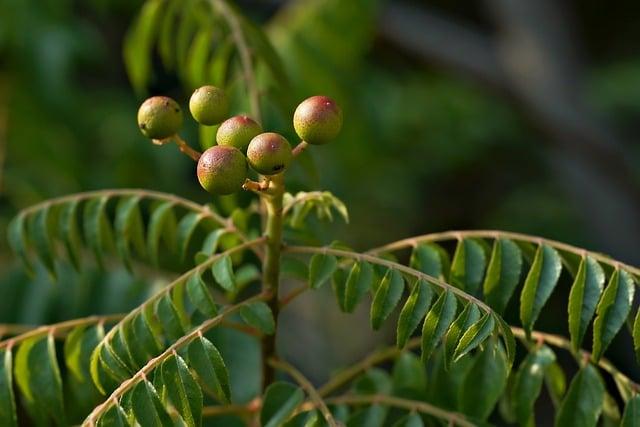
Creating Your Own Herbal Infusions for Hair Treatment
can be both an enjoyable and rewarding experience. By harnessing the power of nature, you can craft solutions that promote healthy hair growth and enhance your overall hair vitality. Begin by selecting herbs known for their beneficial properties, such as:
- Rosemary: Stimulates circulation, encouraging hair growth.
- Nettle: Rich in vitamins and minerals that nourish hair follicles.
- Hibiscus: Provides moisture and strengthens hair shafts.
- Lavender: Soothes the scalp and can help reduce hair loss.
Once you’ve chosen your herbs, the infusion process is simple. Here’s a quick guide:
- Gather your herbs (fresh or dried).
- Boil water, then remove it from heat and add the herbs.
- Let the mixture steep for 15-30 minutes, allowing the beneficial properties to extract fully.
- Strain the liquid and cool it down.
- Apply the infusion after shampooing as a rinse or massage into the scalp as a treatment.
Experiment with different combinations to find what works best for your hair type. The following table summarizes some of the most popular herbs and their specific benefits:
| Herb | Benefits |
|---|---|
| Rosemary | Increases circulation and promotes growth |
| Nettle | Rich in nutrients for hair health |
| Hibiscus | Makes hair shinier and resilient |
| Lavender | Reduces stress and aids in hair loss prevention |
With a little creativity and the right ingredients, you can easily craft personalized herbal infusions that support your hair care regimen, contributing to luscious, vibrant locks.
Incorporating Herbs into Your Hair Care Routine
Enhance Your Hair Care with Nature’s Powerhouses
can significantly boost hair growth and overall health. These natural ingredients are packed with vitamins, minerals, and antioxidants that nourish and strengthen your hair from the roots to the tips. Here are a few powerful herbs you might consider:
- Brahmi: Known for its ability to reduce hair fall while promoting thickness.
- Nettle: Rich in vitamins A, C, K, and B, it fosters a healthy scalp.
- Rosemary: Thought to stimulate blood circulation to the scalp, encouraging hair growth.
- Aloe Vera: Also serves as a conditioner, helping to soothe the scalp and prevent dandruff.
To use these herbs effectively, you can prepare herbal infusions or oils. Consider making a herbal hair rinse by steeping dried herbs in boiling water and cooling the mixture before using it as a last rinse after shampooing. Alternatively, you can create a nourishing hair oil by infusing herbs like rosemary and nettle in a carrier oil, such as coconut or olive oil, and applying it regularly for an enhanced effect.
| Herb | Benefits |
|---|---|
| Brahmi | Reduces hair fall, promotes thickness |
| Nettle | Enhanced scalp health, rich in nutrients |
| Rosemary | Stimulates blood circulation, encourages growth |
| Aloe Vera | Soothes the scalp, prevents dandruff |
Frequently Asked Questions
Q&A: What Herbs Are Good for Hair Growth? Natural Solutions
Q1: What role do herbs play in promoting hair growth?
A: Herbs have been used for centuries in various traditional medicinal practices due to their rich array of vitamins, minerals, and antioxidants. They can enhance blood circulation to the scalp, strengthen hair follicles, and even reduce hair loss. Many herbs contain properties that may nourish and rejuvenate hair, making them excellent natural solutions for those looking to boost their hair growth.
Q2: Which herbs are most commonly recommended for hair growth?
A: Some of the most popular herbs for promoting hair growth include:
- Bhringraj: Often called the “king of herbs” for hair, Bhringraj is known to improve circulation in the scalp and nourish hair follicles, contributing to healthier and stronger hair.
- Aloe Vera: While it’s often regarded for its soothing properties, aloe vera also contains enzymes that help promote hair growth and reduce dandruff.
- Nettle: Rich in silica and sulfur, nettle helps to strengthen hair and is believed to prevent hair loss by improving overall scalp health.
- Rosemary: This aromatic herb not only enhances flavor in dishes but is also thought to stimulate hair growth and improve circulation when applied to the scalp.
- Peppermint: Known for its invigorating properties, peppermint oil can increase circulation to the hair follicles, potentially leading to enhanced hair growth.
Q3: How can I incorporate these herbs into my hair care routine?
A: There are several ways to use herbs for your hair:
-
Herbal Infusions: You can create a hair rinse or infusion by steeping dried herbs in hot water. Once cooled, you can use this infusion as a final rinse after shampooing.
-
Essential Oils: Mix a few drops of essential oils like rosemary or peppermint with a carrier oil such as coconut or jojoba oil. Massage this blend into your scalp to promote circulation and nourish hair follicles.
-
Hair Masks: Combine powdered herbs like Bhringraj or nettle with yogurt or carrier oils to create a nourishing hair mask. Apply this mixture to your scalp and hair, leave it on for about 30 minutes, and then rinse thoroughly.
-
Herb-Infused Oils: You can infuse herbs in carrier oils by placing them in a jar, covering them with oil, and letting them sit in a warm place for a couple of weeks. This oil can be used for scalp massages.
Q4: Are there any potential side effects or precautions to consider?
A: While herbs are generally safe for most people, some individuals may experience allergic reactions or sensitivity. It’s advisable to conduct a patch test before using a new herb or essential oil extensively. Additionally, pregnant or breastfeeding women, as well as those with specific medical conditions, should consult a healthcare provider before adding new herbal treatments to their routine.
Q5: How long before I can expect to see results from using herbs for hair growth?
A: Everyone’s body reacts differently to natural remedies, so results can vary. Generally, with consistent use—typically over a few weeks to a few months—you may begin to notice improvements in hair texture, strength, and possibly new growth. Be patient and give your hair the time it needs to rejuvenate naturally.
Q6: Can herbs replace traditional hair care products and treatments?
A: Herbs can complement traditional hair care products, but they shouldn’t necessarily replace them, especially if you’re using products specifically formulated to treat hair issues. It’s best to adopt a holistic approach—using herbs alongside a balanced diet, proper hydration, and a good hair care regimen. This way, you can harness the benefits of both traditional treatments and natural solutions for enhanced hair growth.
By incorporating these herbal solutions into your hair care routine and treating your hair with the natural care it deserves, you’re on your way to fostering an environment for healthy hair growth. Remember to always listen to your body and adjust your methods as needed!
The Conclusion
embracing the power of herbs for hair growth can be a transformative journey towards achieving luscious locks. Whether you opt for the invigorating properties of rosemary, the nourishing benefits of aloe vera, or the soothing touch of lavender, nature offers a wealth of remedies designed to enhance your hair’s health and vitality. Remember, consistency is key—so incorporate these natural solutions into your hair care routine and be patient as you watch the results unfold. As you explore these botanical wonders, you’ll not only nourish your hair but also connect more deeply with the gifts our planet has to offer. Here’s to strong, radiant hair—naturally!