What Herbs Are Good for Sinus Infection: Natural Remedies
If you’ve ever felt like your sinuses are staging a protest—complete with picket signs and a serious lack of air—you’re not alone! Sinus infections can turn even the most vibrant of days into a foggy ordeal. But fear not, nature’s little green warriors are here to help! In this article, we’ll explore the best herbs that are not just good for your taste buds but also for banishing that pesky sinus congestion. From time-tested remedies that your grandmother swear by to some modern herbal heroes, we’ll uncover how you can kick those sinus blues to the curb—without the side effects of industrial-strength medication. So grab a cozy blanket, a cup of herbal tea, and let’s dive into the world of natural remedies that could have you breathing easier in no time!

Article Contents
- Understanding Sinus Infections and Their Symptoms
- The Healing Power of Herbs for Sinus Relief
- Top Herbal Remedies to Combat Sinus Infection
- How to Prepare Herbal Teas and Infusions for Maximum Benefits
- Incorporating Essential Oils into Your Sinus Health Routine
- Lifestyle Changes to Enhance the Effectiveness of Herbal Remedies
- When to Seek Medical Advice for Persistent Symptoms
- Faq
- The Conclusion
Understanding Sinus Infections and Their Symptoms
Sinus infections, commonly known as sinusitis, occur when the nasal cavities become swollen or inflamed, often leading to discomfort and troubling symptoms. Understanding these symptoms is essential for determining the right remedy, including natural options like herbs. Typical signs of sinus infection can include:
- Persistent nasal congestion: Difficulty breathing through the nose due to blockage.
- Facial pain or pressure: Discomfort around the forehead, cheeks, and eyes.
- Thick, discolored mucus: Green or yellow mucus indicates a possible infection.
- Headaches: Pressure build-up can lead to generalized or localized headaches.
- Coughing: This often worsens at night, sometimes leading to sleep disturbances.
- Fatigue: Chronic sinus issues can lead to feelings of exhaustion.
- Sore throat: Resulting from postnasal drip.
Understanding these symptoms can help individuals recognize when they are suffering from a sinus infection. This awareness is particularly helpful when exploring natural remedies, such as herbal treatments, to alleviate discomfort. Some popular herbs known for their potential effectiveness against sinus infections include:
| Herb | Benefits |
|---|---|
| Eucalyptus | Helps to clear mucus, acting as a natural decongestant. |
| Peppermint | Contains menthol, which can soothe headaches and ease nasal congestion. |
| Ginger | Reduces inflammation and can help soothe an irritated throat. |
| Thyme | Acts as an antimicrobial, supporting the body’s defense against pathogens. |

The Healing Power of Herbs for Sinus Relief
Herbs have been used for centuries to alleviate various health issues, including sinus infections. Many of these natural remedies offer anti-inflammatory, antimicrobial, and soothing properties that can help provide relief from sinus congestion and discomfort. Here are some of the most effective herbs commonly recommended for sinus relief:
- Eucalyptus: Known for its strong aroma, eucalyptus oil can help open up the nasal passages and clear mucus.
- Peppermint: Its menthol content can not only relieve irritation but also promote better airflow in the sinuses.
- Ginger: This warming herb enhances circulation while reducing inflammation, making it a potent ally in fighting sinus issues.
- Thyme: With its antimicrobial properties, thyme can help combat the pathogens that cause sinus infections.
- Basil: Rich in antioxidants, basil may help inhibit bacterial growth and soothe sinus pain.
Additionally, incorporating herbal teas into your routine can be particularly beneficial. Consider brewing a soothing cup of tea using a combination of these herbs. Here’s a simple table showcasing a few herbal teas that can aid in sinus relief:
| Herbal Tea | Main Benefits |
|---|---|
| Eucalyptus Tea | Helps open nasal passages and relieve congestion. |
| Peppermint Tea | Provides cooling relief and eases breathing. |
| Ginger Tea | Reduces inflammation and promotes overall respiratory health. |
| Thyme Tea | Fights bacteria and clears mucus. |
By incorporating these herbs into your wellness routine, you might find a notable difference in your sinus health. Whether through teas, infusions, or essential oils, nature provides various tools to help ease discomfort and promote healing.

Top Herbal Remedies to Combat Sinus Infection
When it comes to alleviating the discomfort associated with sinus infections, certain herbs have shown promising results due to their natural healing properties. Here are some of the most effective herbal remedies that you can easily incorporate into your routine:
- Eucalyptus: Known for its powerful anti-inflammatory and antiseptic qualities, eucalyptus oil can help clear nasal passages and reduce sinus pressure. Using it in a steam inhalation can provide immediate relief.
- Peppermint: Rich in menthol, peppermint helps to open up airways and soothe irritated sinuses. Drinking peppermint tea or inhaling peppermint oil can be an effective way to alleviate symptoms.
- Ginger: This versatile herb is well-regarded for its anti-inflammatory properties. Consuming ginger tea or incorporating fresh ginger into your meals can help fight sinus infection and boost your immune system.
- Thyme: With potent antimicrobial properties, thyme is great for fighting infections. Thyme tea or essential oil can help combat stubborn sinus infections and promote overall respiratory health.
Another excellent option is Nettle, which has natural antihistamine properties that can reduce nasal swelling and blockage. Additionally, this herb can be consumed as tea or taken in capsule form. Always ensure that you consult with a healthcare professional before starting any new herbal treatment, especially if you are currently taking medications or have underlying health conditions.
| Herb | Benefits | How to Use |
|---|---|---|
| Eucalyptus | Anti-inflammatory, antiseptic | Steam inhalation, diffuser |
| Peppermint | Opens airways, soothing | Tea, oil inhalation |
| Ginger | Anti-inflammatory, immune booster | Tea, cooking spices |
| Thyme | Antimicrobial, respiratory aid | Tea, essential oil |
| Nettle | Reduces nasal swelling | Tea, capsules |
How to Prepare Herbal Teas and Infusions for Maximum Benefits
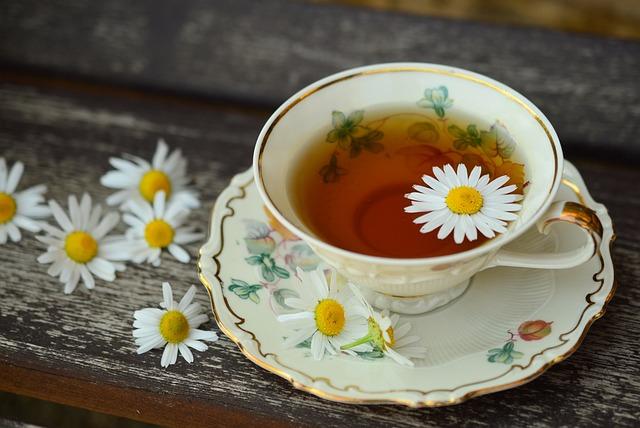
To unlock the full therapeutic potential of herbal teas and infusions, it’s essential to focus on proper preparation techniques. Here’s a simple approach to ensure you reap the maximum benefits from your chosen herbs:
- Select Fresh or Dried Herbs: Fresh herbs can offer a vibrant flavor while dried herbs typically provide concentrated goodness. Consider using a combination for a balanced infusion.
- Measure Your Herbs: Use about 1 tablespoon of dried herbs or 2 tablespoons of fresh herbs per cup of water. This proportion allows for a rich, flavorful infusion without overwhelming your palate.
- Water Temperature: Different herbs require specific water temperatures. Most herbal teas benefit from water just below boiling (around 190°F or 90°C) to preserve delicate flavors and nutrients.
- Steeping Time: Generally, aim for a steeping time of 5 to 10 minutes for maximum extraction of beneficial oils and compounds. Herbal teas can often steep longer without becoming bitter.
- Strain Before Enjoying: After steeping, strain the herbs to enjoy a smooth drink. This not only enhances the drinking experience but also helps you avoid any undesirable texture.
When dealing specifically with sinus infections, certain herbs can provide relief due to their decongestant and anti-inflammatory properties. Below is a table summarizing some effective herbs:
| Herb | Benefits |
|---|---|
| Eucalyptus | Helps clear sinuses and promotes easy breathing. |
| Peppermint | Rich in menthol, it acts as a natural decongestant. |
| Ginger | Has anti-inflammatory properties that can soothe irritation. |
| Thyme | Antimicrobial effects help in fighting off infections. |
By utilizing these preparation techniques and beneficial herbs, not only will you enjoy flavorful herbal teas, but you’ll also nourish your body and support sinus health naturally.

Incorporating Essential Oils into Your Sinus Health Routine
Integrating essential oils into your sinus health routine can provide soothing relief and support your overall respiratory wellness. These potent extracts can be inhaled, applied topically, or diffused to help alleviate symptoms associated with sinus infections. Here are some of the most effective oils to consider:
- Eucalyptus oil: Known for its decongestant properties, it can help open up nasal passages and promote easier breathing.
- Peppermint oil: Its menthol content gives a cooling sensation and can help relieve sinus pressure and headaches.
- Tea Tree oil: With its strong antimicrobial properties, it may aid in fighting the bacteria that contribute to sinus infections.
- Lavender oil: Renowned for its calming effects, lavender can also reduce inflammation and promote relaxation during sinus discomfort.
To use essential oils effectively, consider the following methods:
- Inhalation: Add a few drops of your chosen oil to a bowl of hot water, cover your head with a towel, and inhale the steam for a few minutes.
- Diffusion: Use an essential oil diffuser to disperse the aroma throughout your living space, providing a continuous soothing effect.
- Topical application: Dilute essential oils with a carrier oil and apply to your chest or temples. Always perform a patch test first to ensure there are no adverse reactions.
Incorporating these practices into your daily routine can enhance your body’s natural defense mechanisms against sinus issues, offering both relief and prevention in a significant way.

Lifestyle Changes to Enhance the Effectiveness of Herbal Remedies
To maximize the benefits of herbal remedies for sinus infections, incorporating specific lifestyle changes can be essential. These adjustments can bolster your immune system and improve overall well-being, thus enhancing the effectiveness of the herbs you choose to use. Here are some key changes to consider:
- Stay Hydrated: Drinking adequate water helps thin mucus and promotes drainage, which can alleviate sinus pressure. Herbal teas such as peppermint or ginger can also provide soothing effects while keeping you hydrated.
- Maintain Humidity: Using a humidifier in your home can keep nasal passages moist. This moisture helps prevent the sinuses from becoming dry and irritated, making it easier for herbs like eucalyptus to work effectively in alleviating symptoms.
- Balanced Diet: A nutrient-rich diet that includes vitamins and minerals can enhance your body’s natural defenses. Incorporate foods rich in vitamin C, such as oranges and bell peppers, and consider anti-inflammatory spices like turmeric and ginger.
- Regular Exercise: Physical activity promotes blood circulation and helps improve respiratory function. Moderate exercises such as walking or yoga can encourage sinus drainage, aiding in your recovery.
Additionally, consider reducing exposure to environmental irritants and allergens, which can aggravate sinus issues. Implementing natural remedies like steam inhalation with herbs, such as rosemary, can clear congestion while grounding your routine in holistic practices. By fusing these lifestyle changes with your herbal regimen, you can create a comprehensive approach to managing sinus infections effectively.

When to Seek Medical Advice for Persistent Symptoms
Persistent symptoms of sinus infection can be uncomfortable and frustrating. It’s essential to know when it’s time to consult a healthcare professional. If you experience any of the following, seeking medical advice is recommended:
- High fever: A persistent fever above 101.5°F (38.6°C) could indicate a more severe infection.
- Prolonged symptoms: If your symptoms last longer than 10 days without improvement, it may be time to see a doctor.
- Severe pain: Intense facial pain or pressure, especially around the eyes or forehead, should prompt a medical review.
- Vision changes: Blurred vision or swelling around the eyes can be a sign of complications.
- Recurrent infections: Frequent sinus infections may signify an underlying condition that needs evaluation.
These symptoms can often signal complications that go beyond a typical sinus infection. A healthcare provider can offer a proper diagnosis and appropriate treatment options, particularly if there is an infectious or structural concern. Remember that early intervention can prevent potential complications and lead to a faster recovery.
Faq
Q&A: What Herbs Are Good for Sinus Infection: Natural Remedies
Q: What are sinus infections, and what causes them?
A: Sinus infections, or sinusitis, occur when the cavities around your nasal passages become inflamed and swollen. This can be caused by various factors, including viral infections (like the common cold), bacterial infections, allergies, or even irritants like smoke and pollution. When the nasal passages become blocked, mucus builds up, leading to discomfort and other symptoms.
Q: How can herbs help alleviate sinus infection symptoms?
A: Herbs can play a supportive role in alleviating symptoms of sinus infections due to their anti-inflammatory, antimicrobial, and decongestant properties. They may help clear mucus, soothe inflammation, and strengthen the immune system, making them a valuable addition to your natural remedy toolkit.
Q: Which herbs are most effective for sinus infections?
A: Several herbs have been traditionally used to relieve sinus infection symptoms. Some of the most effective ones include:
-
Peppermint: Contains menthol, which acts as a natural decongestant and can help in soothing irritated nasal tissues.
-
Eucalyptus: Known for its anti-inflammatory and antimicrobial properties, inhaling eucalyptus oil or using it in a steam inhalation can help clear nasal passages.
-
Thyme: Has antiseptic properties and can help in combating the bacteria that often cause sinus infections.
-
Oregano: Rich in antioxidants and has antifungal, antibacterial, and antiviral properties, oregano can support respiratory health.
-
Ginger: Supports the immune system and can help reduce inflammation, making it beneficial in fighting sinus infection symptoms.
Q: How can I use these herbs for sinus relief?
A: There are several ways to incorporate these herbs into your routine:
-
Herbal Teas: Brew teas using peppermint, thyme, or ginger to enjoy their soothing effects.
-
Steam Inhalation: Add a few drops of eucalyptus oil to hot water, cover your head with a towel, and inhale the steam. This helps open up blocked sinuses.
-
Essential Oils: Use peppermint or eucalyptus oil in a diffuser or apply diluted versions topically on your chest or sinuses for relief.
-
Herbal Supplements: Consider taking capsules or tinctures of oregano or thyme, but always consult your healthcare provider first.
Q: Are there any precautions I should take when using herbs for sinus infections?
A: Yes, while herbs can be helpful, it’s important to exercise caution. Some individuals may have allergies or sensitivities to certain herbs. Always consult with a healthcare professional, especially if you’re pregnant, nursing, or taking medications. Additionally, if symptoms persist or worsen, it’s crucial to seek medical advice as you may require more extensive treatment.
Q: Can herbs be used alongside traditional treatments?
A: Absolutely! Many people find that using herbal remedies alongside conventional treatments can provide a holistic approach to managing symptoms. Just be sure to discuss this with your healthcare provider to ensure compatibility and safety between treatments.
Q: Is there anything else I can do to support sinus health naturally?
A: In addition to herbs, staying well-hydrated, using saline nasal sprays, practicing steam inhalation, and maintaining a clean environment (to limit allergens and irritants) can all contribute to sinus health. Regularly rinsing your nasal passages with saline can also help clear mucus and allergens from the sinuses.
This Q&A should provide a solid understanding of the herbs that can be beneficial for sinus infections and how to use them effectively. Remember, the journey to health is often multifaceted, so combining knowledge and natural remedies is a great approach!
The Conclusion
while sinus infections can be uncomfortable and frustrating, nature offers a plethora of herbs to help soothe your symptoms and promote healing. From the anti-inflammatory properties of turmeric and ginger to the antimicrobial effects of garlic and eucalyptus, incorporating these natural remedies into your routine can provide significant relief. Remember, though, that while herbs can be a powerful ally, it’s essential to consult with a healthcare professional, especially if your symptoms persist. So, the next time you feel that dreaded pressure in your sinuses, consider reaching for these herbal solutions. Your body—and your sinuses—might just thank you!