Can You Freeze Challah Bread? Keep It Fresh and Delicious
When it comes to bread, few can compete with the ethereal delight of a fresh loaf of challah. This braided beauty is not just for special occasions; it’s the perfect companion for everything from breakfast to dessert (hello, French toast!). But what happens when you’ve baked too much, or your eyes were bigger than your stomach? Fear not, carb lovers! The question on everyone’s mind is: Can you freeze challah bread? Spoiler alert: Yes, you can! But before you toss that golden-brown loaf into the deep freeze, let us guide you through the whimsical world of freezing bread, ensuring it remains as fresh and delicious as when it first left the oven. After all, no one wants to gnaw on a stale slice that has seen better days—and we’re here to help you avoid that culinary catastrophe with some expert tips and a few laughs along the way. So grab your loaf, your freezer bags, and let’s dive in!
Article Contents
- Understanding Challah Bread and Its Freezing Potential
- Benefits of Freezing Challah for Long-Term Freshness
- How to Properly Prepare Challah for Freezing
- The Best Freezing Methods for Maximum Flavor Preservation
- Thawing and Reheating: Keeping Your Challah Delicious
- Common Mistakes to Avoid When Freezing Bread
- Creative Ways to Use Leftover Thawed Challah
- Frequently asked questions
- Future Outlook
Understanding Challah Bread and Its Freezing Potential
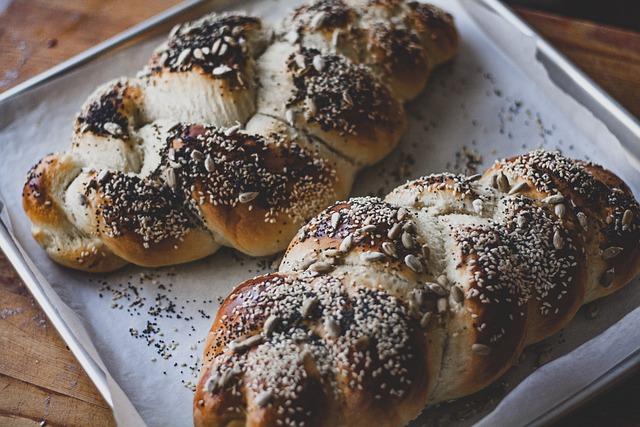
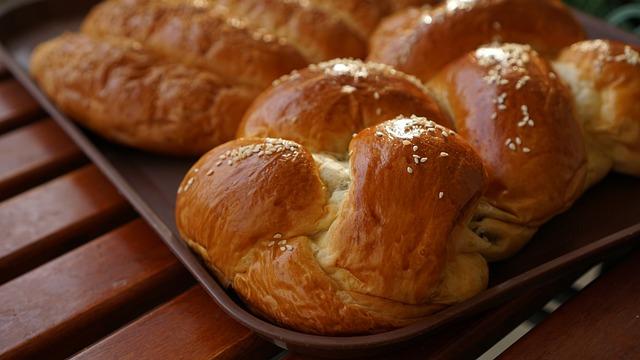
Challah bread is a traditional Jewish bread known for its rich flavors and beautiful braided appearance. This soft, slightly sweet bread is often enjoyed during Shabbat and holidays, making it a favorite not only for special occasions but also for everyday meals. Its buttery texture and subtle gloss from an egg wash distinguish it from other types of bread. When you find yourself with a leftover loaf or want to prepare ahead for a gathering, understanding how to preserve its quality through freezing can be invaluable.
When freezing challah bread, there are a few key tips to ensure it retains its delicious characteristics:
- Cool Before Freezing: Always allow the bread to cool completely after baking. This prevents condensation, which can create ice crystals and affect texture.
- Wrap Properly: Use plastic wrap or aluminum foil to tightly cover the bread, ensuring no air can enter. For added protection, place it in a freezer-safe bag.
- Slice Before Freezing: If you prefer individual servings, consider slicing the loaf before freezing. This enables easy access to your desired portion without needing to thaw the entire loaf.
When properly frozen, challah can last for up to three months. To thaw, simply take the bread out of the freezer and allow it to sit at room temperature for a few hours or overnight in the refrigerator. For an extra touch of warmth, a brief stint in the oven can revive its fresh-baked taste. With these steps, you can enjoy the delightful experience of challah anytime, perfectly preserved for your table.

Benefits of Freezing Challah for Long-Term Freshness
Freezing challah is an excellent method to ensure that this delicious bread remains fresh and flavorful over the long term. By properly sealing and storing challah in the freezer, you can preserve its taste and texture, making it easy to enjoy at your convenience. Here are some key benefits to consider:
- Extended Shelf Life: Freezing challah significantly prolongs its shelf life. While fresh challah may only last a few days at room temperature, freezing can keep it good for up to three months without sacrificing quality.
- Convenient Portions: You can slice the challah before freezing it, allowing you to thaw only the portions you need. This helps reduce waste and makes meal preparation easier.
- Maintains Freshness: When wrapped properly, frozen challah retains its soft, fluffy texture, and delightful taste, allowing you to enjoy the freshness even weeks after baking.
| Storage Method | Duration | Notes |
|---|---|---|
| Whole Loaf | Up to 3 months | Wrap tightly in plastic wrap and foil. |
| Sliced Portions | Up to 3 months | Use parchment paper to separate slices for easy removal. |
By freezing challah, you not only save time and effort but also ensure that every slice delivers the same delightful experience as when it was freshly baked. Embrace this method for delicious, ready-to-eat challah whenever the craving strikes!
How to Properly Prepare Challah for Freezing
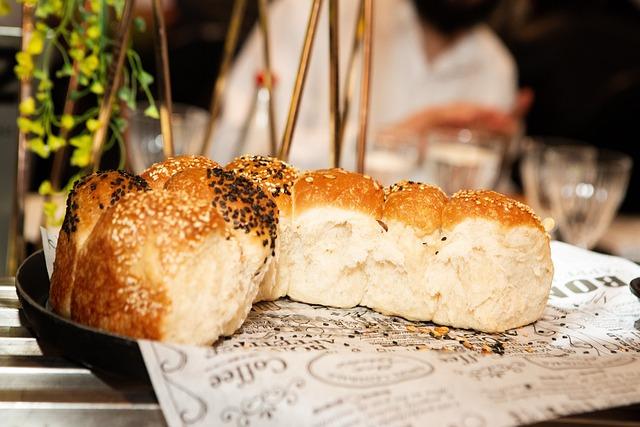
Freezing challah bread requires a few essential steps to ensure it retains its flavor and texture. First, allow the challah to cool completely after baking. This is crucial; wrapping warm bread can create condensation, leading to soggy slices when thawed. Once cooled, wrap the loaf tightly in plastic wrap, ensuring there are no gaps for air to seep in. Follow this with an additional layer of aluminum foil for added protection against freezer burn.
When preparing your challah for freezing, consider slicing it beforehand. This method allows you to take out only what you need later without having to thaw the entire loaf. Here are some key points to remember:
- Label the packaging: Include the date and type of bread for future reference.
- Avoid stacking: Place the wrapped challah on a flat surface in the freezer to retain its shape.
- Keep it cool: Ensure the freezer maintains a stable temperature, preferably below 0°F (-18°C).
To enjoy your frozen challah at its best, simply remove the desired slices and allow them to thaw at room temperature or toast them directly from the freezer. If you’re looking to refresh the entire loaf, preheat your oven to 350°F (175°C) and thaw the wrapped bread for about 15-20 minutes. This process will revive its fresh-baked quality, bringing out that delightful aroma and softness.

The Best Freezing Methods for Maximum Flavor Preservation
To ensure your challah bread retains its delicious flavor and texture during freezing, follow these effective methods:
- Cut and Wrap: Slice your challah bread before freezing. This not only allows for quicker thawing but also prevents the need to defrost the entire loaf, making it easy to enjoy a slice whenever you crave it. Wrap each piece tightly in plastic wrap or aluminum foil to minimize exposure to air.
- Use Airtight Packaging: After wrapping, place the sliced challah in an airtight freezer bag or an appropriate container. Expelling as much air as possible from the bag will further protect the bread from freezer burn, preserving its moisture and flavor.
- Label and Date: Don’t forget to label your packages with the date of freezing. This simple step will help you keep track of freshness, ensuring you use the bread within the recommended time frame of about 3 months for optimal flavor.
When ready to enjoy, thaw the bread in the refrigerator overnight or leave it at room temperature for a few hours. For an extra touch, consider warming it in the oven for a few minutes, reviving its delightful crust and making it taste freshly baked.
Thawing and Reheating: Keeping Your Challah Delicious
When it comes to enjoying your frozen challah, proper thawing and reheating techniques are key to maintaining its delightful texture and flavor. Here are some best practices to ensure your bread remains a delightful treat:
- Thawing: The best method is to transfer your frozen challah to the refrigerator a day before you plan to use it. This gentle thaw allows the moisture to redistribute evenly without compromising the bread’s structure.
- Room Temperature: If you’re short on time, let the challah sit at room temperature for about 2-3 hours. Be sure to keep it wrapped in a clean kitchen towel to prevent it from drying out.
- Microwave Method: For a quick thaw, use a microwave, but do so cautiously. Heat the bread on low power for short bursts (10-15 seconds) to gently warm it, avoiding overcooking that may lead to a chewy texture.
Once thawed, reheating your challah properly will enhance its fresh-baked appeal. Here are a few preferred methods:
- Oven Reheating: Preheat your oven to 350°F (175°C), wrap the challah in aluminum foil, and heat for about 10-15 minutes. This method retains moisture while rejuvenating the crust.
- Toaster Oven: For a crisper exterior, slice the challah and toast it in a toaster oven for 4-5 minutes. This method highlights the bread’s texture and flavor.
- Skillet Heating: Lightly butter or oil a pan and place slices of challah over medium heat for a couple of minutes on each side for a deliciously soft inside with a golden crust.

Common Mistakes to Avoid When Freezing Bread
When freezing challah bread, avoiding common pitfalls can make a significant difference in maintaining its quality. Here are some **key mistakes** to steer clear of:
- Freezing Without Packaging: Always wrap your bread tightly in plastic wrap or aluminum foil before placing it in an airtight freezer bag. This helps to prevent freezer burn and preserves the flavor and texture.
- Not Cooling Before Freezing: Ensure that your bread is completely cooled before freezing. Freezing warm bread can create steam, leading to sogginess and a decline in texture.
- Freezing for Too Long: While bread can technically be frozen for months, it’s best consumed within 3 months for optimal freshness. After this time, the quality may diminish, and you may notice off-flavors.
If you’re unsure about how to properly store your bread, consider this quick reference:
| Storage Method | Duration | Notes |
|---|---|---|
| Tightly Wrapped | Up to 3 months | Best for maintaining freshness. |
| Unwrapped | Days in freezer | Leads to freezer burn. |
| After Thawing | 1 week in fridge | Consume within a week for best quality. |
By avoiding these mistakes, you can enjoy perfectly thawed challah bread that tastes just as delicious as the day it was baked.
Creative Ways to Use Leftover Thawed Challah
If you find yourself with leftover thawed challah, don’t let it go to waste! There are numerous ways to transform this delicious bread into delightful meals or snacks that can impress your family or guests. Here are some creative ideas to breathe new life into your challah:
- Challah French Toast: Slice your challah and dip it in a mixture of eggs, milk, vanilla, and cinnamon. Cook on a griddle for a sweet breakfast treat that’s perfect topped with maple syrup or fresh berries.
- Croutons: Cut your challah into cubes, toss them with olive oil, garlic powder, and your favorite herbs, then bake until crispy. Use these homemade croutons to elevate any salad or soup.
- Bread Pudding: Cube the challah and combine it with an egg custard. Add ingredients like chocolate chips, fruits, or nuts, then bake for a rich, comforting dessert that’s sure to be a hit.
- Challah Grilled Cheese: Use thicker slices of challah as the base for your grilled cheese creations. This sweet bread adds a unique twist to the classic, especially when paired with tangy or sharp cheeses.
Moreover, here’s a simple recipe for challah croutons you can create easily at home:
| Ingredients | Instructions |
|---|---|
| 4 cups cubed challah | Preheat your oven to 375°F (190°C). |
| 2 tablespoons olive oil | In a large bowl, toss the challah cubes with olive oil, salt, and desired herbs. |
| Salt and herbs to taste | Spread on a baking sheet and bake for 15-20 minutes until golden. |
Frequently asked questions
Q&A: Can You Freeze Challah Bread? Keep It Fresh and Delicious
Q: Can you really freeze challah bread without losing its quality?
A: Absolutely! Freezing challah bread is a great way to preserve its freshness. When done correctly, you can maintain its soft texture and delightful flavor. The key is to wrap it well to prevent freezer burn.
Q: What’s the best way to freeze challah bread?
A: Start by allowing your challah to cool completely at room temperature. Then, wrap it tightly in plastic wrap, followed by aluminum foil for added protection. Alternatively, you can place it in a resealable freezer bag, squeezing out as much air as possible before sealing.
Q: How long can I keep frozen challah bread?
A: For the best quality, it’s recommended to consume your frozen challah within three months. After that time, it may still be safe to eat, but the flavor and texture might not be as enjoyable.
Q: What is the best way to thaw frozen challah?
A: The best method for thawing is to transfer the wrapped challah from the freezer to the refrigerator, allowing it to thaw overnight. If you’re short on time, you can also let it sit at room temperature for a few hours, or speed up the process by microwaving it on a low power setting for a minute or two. Just be careful not to overheat it!
Q: Can I freeze challah bread after it’s been sliced?
A: Yes, slicing your challah before freezing can actually make it more convenient for serving later on. Just slice it before wrapping, and be sure to separate the slices with parchment paper if you want to take out just a few at a time.
Q: Can I freeze other types of bread in the same way?
A: Yes, most types of bread can be frozen similarly! Just remember the key points: wrap tightly, remove air, and avoid thawing in a way that makes it soggy.
Q: What are some ideas for using thawed challah bread?
A: Thawed challah is incredibly versatile! You can use it for delicious French toast, as a base for bread pudding, or simply toast it and spread some butter or jam for a delightful snack.
Q: Is there anything else I should keep in mind when freezing challah?
A: Just remember that the freshness of your challah before it’s frozen makes a difference. Always freeze it while it’s still fresh, and check for any signs of spoilage before wrapping. Happy freezing!
Future Outlook
freezing challah bread is not only possible but can be a game changer for maintaining its delightful freshness and flavor. By following the simple steps outlined in this article, you can ensure that your beloved bread remains as soft and delicious as the day it was baked. Whether you’re preparing for a special occasion or simply want to have a slice of that rich, eggy goodness on hand, freezing challah is a practical solution. So go ahead, embrace the convenience of your freezer and savor the taste of homemade challah anytime you desire. Happy baking, and enjoy every buttery bite!